Tipping and etiquette in Sicily
Do you tip in Sicily?
Tipping is not obligatory in Sicily or Italy generally. Rounding up or leaving small change for good service is appreciated but not expected, and the coperto — a separate per-person cover charge — is a normal part of the bill, not a tip.
A calibrated guide, not a script
Etiquette advice about Italy tends to swing between two unhelpful extremes: either nothing at all, or a long list of supposedly strict rules that make a relaxed trip feel like a minefield of possible faux pas. Neither is accurate. This guide sets out what genuinely matters in Sicily — tipping norms, meal timing, church dress codes — and is equally direct about which widely repeated “rules” are more cultural colour than something you’ll actually be judged on.
Tipping: appreciated, not required
Tipping in Sicily, as across Italy, is not obligatory in the way it is in the US. Service is generally included in the price of what you order, and rounding up the bill or leaving a small amount of change for good service is a genuine, appreciated gesture rather than an expectation. Nobody will chase you down for more, and leaving nothing beyond a rounded bill is entirely normal, not rude. This applies across restaurants, cafés, taxis and most services — a modest, optional gesture rather than a calculated percentage.
The coperto: a real charge, not a scam
The coperto (sometimes labelled “pane e coperto”) is a per-person cover charge, typically in the region of 1-3 euros, added to the bill at most sit-down restaurants regardless of what’s ordered. It is standard, legitimate practice across Italy, not specific to tourist-facing restaurants and not a scam — it’s worth understanding this clearly, since first-time visitors sometimes mistake it for an attempt to overcharge. Tourist traps and scams in Sicily covers the genuine scams to watch for, which the coperto is not one of, and eating in Sicily: hours, coperto and tipping goes further into how restaurant billing generally works.
Meal timing: kitchens actually close between services
Lunch service typically runs from around 13:00 to 15:00, and dinner from around 20:00 onwards, and a meaningful number of restaurants, particularly outside the busiest tourist areas, close their kitchens entirely between the two services rather than offering food continuously through the afternoon. This catches visitors used to all-day dining off guard — expecting a full menu at 17:00 or even 19:00 in a smaller town can lead to disappointment. Planning meals around these windows, rather than assuming food is available whenever hunger strikes, avoids the issue entirely.
The cappuccino rule: real, but not a punishable offence
The idea that Italians never drink cappuccino after a meal is a genuine cultural pattern rather than a myth — cappuccino and other milk-based coffee drinks are overwhelmingly a morning habit, with espresso or a digestivo taking their place after lunch or dinner. It’s worth respecting as a piece of local culture, the same way you might adjust to any country’s dining rhythm, but it’s not a rule enforced with disapproval if broken — nobody will refuse to serve a visitor a cappuccino at 4pm. Treat it as cultural colour worth knowing rather than a source of anxiety.
Church etiquette: the one that actually gets enforced
Unlike some of the softer cultural norms above, dress codes at churches and cathedrals are genuinely, actively enforced — shoulders and knees covered, for both men and women, is the standard expectation at major sites like Monreale’s cathedral, Palermo Cathedral and Cefalù Cathedral, and visitors dressed inappropriately are sometimes turned away or asked to cover up at the door. A light scarf or shawl solves this easily without requiring a separate outfit. Quiet voices, no eating inside, and sometimes restricted photography are additional expectations worth checking on entry. Monreale cathedral and its cloister covers one of the island’s most-visited examples.
Greetings and general social norms
A handshake is standard for a first meeting or a more formal interaction; among acquaintances, cheek kisses (typically one on each cheek) are common, though this varies by region and relationship and is not something a visitor needs to initiate. A little effort with basic Italian phrases — buongiorno, grazie, per favore — is noticed and appreciated well beyond what the phrases themselves accomplish linguistically, particularly outside the main tourist circuits where English is less consistent. Italian and Sicilian: the words that help covers a practical starter set rather than repeating it here.
The passeggiata: a social norm worth joining rather than rushing past
The evening passeggiata — an unhurried stroll through the main street or piazza, especially common in smaller towns — is a genuine social institution rather than a tourist performance, and it’s worth slowing down and participating in rather than treating it as something to walk quickly through on the way to dinner. It’s one of the more understated but genuinely enjoyable parts of daily life in Sicilian towns, and a good way to experience local rhythm rather than only observe it.
Table manners worth knowing
Bread on the table generally accompanies the meal rather than functioning as a starter for oil-dipping in the style common in some other countries’ Italian restaurants abroad — don’t expect a dish of olive oil brought out specifically for bread. Ordering is generally by course (starter, then a first course of pasta or similar, then a main), though nobody will object to ordering fewer courses, especially at lunch. None of this rises to a real faux pas if done differently — it’s simply useful context for reading a menu and a meal’s rhythm correctly.
What’s overblown versus what actually matters
A useful, calibrated summary: dressing appropriately for churches and respecting meal-service hours are things that genuinely affect your trip if ignored — you may be turned away from a church, or simply unable to find food at the wrong hour. The cappuccino-timing rule, precise bread etiquette, and other frequently repeated “Italian dining laws” found online are real cultural patterns worth knowing about, but not things that will get you refused service or genuinely embarrass you if broken. Approach Sicilian etiquette with curiosity and reasonable effort rather than anxiety about a long checklist of rules.
Photography etiquette
Photography is generally welcome at outdoor sites, streets and markets, though it’s worth being mindful specifically inside churches, where photography is sometimes restricted, particularly during services or in areas with especially fragile artwork — check for posted signs or ask on entry rather than assuming it’s always permitted. In markets, a quick, polite request before photographing a vendor or their stall directly and closely is generally appreciated rather than assumed, especially if the photo is more of a portrait than a wide market scene.
Smoking
Smoking is more common in Sicily, as across much of southern Europe, than in many northern European countries or North America, though indoor smoking in restaurants, bars and public buildings is prohibited by Italian law, the same as elsewhere in the EU. Outdoor seating areas are more likely to have smokers nearby than an equivalent northern European setting, worth knowing if this affects your comfort with outdoor dining.
Queuing and personal space
Queuing conventions in Sicily, particularly at markets, bus stops or informal service counters, can feel looser than in more queue-disciplined northern European cultures — it’s worth being assertive about your position without being aggressive about it, and not assuming a single-file line will always form the way it might elsewhere. Personal space in conversation also tends to run somewhat closer than in the US, UK or northern Europe, a minor cultural difference rather than anything to be concerned about.
Beach etiquette
At managed lidi (beach clubs with sunbed and umbrella rental), it’s standard to pay for a sunbed and umbrella if you want one, rather than simply claiming space with a towel the way you might at a free, unmanaged beach. At free public beaches, arriving early in peak season secures a better spot, and it’s considerate to keep noise reasonably contained near families and take rubbish away with you, though none of this differs meaningfully from beach norms elsewhere in southern Europe. Lidi or free beach: how Sicilian beaches work covers the practical distinction between the two beach types in more depth.
Visiting someone’s home
If invited into a Sicilian home — a genuine possibility particularly through an agriturismo stay, a cooking class host, or a friendship made during the trip — bringing a small gift, such as wine, pastries or flowers, is a well-received gesture, similar to norms across much of southern Europe. Arriving roughly on time but not unusually early is generally expected, and complimenting the food sincerely, especially if a meal has been cooked for you, tends to be genuinely appreciated rather than seen as empty politeness.
Etiquette on organised tours and with guides
On a small-group tour, arriving on time and respecting the group’s shared pace is a basic courtesy — Sicily’s more relaxed general pace doesn’t extend to holding up a scheduled group activity. Asking questions is welcomed on most guided visits; interrupting a guide’s explanation to talk over them is not, the same etiquette that would apply on any guided tour anywhere.
Etiquette around religious festivals and processions
Sicily’s calendar includes numerous religious festivals and processions, some of them major local events — observing quietly, dressing respectfully and not blocking the route of a procession for a photograph are all expected, basic courtesies for a visitor who happens to encounter one during a trip. Easter and Holy Week in Sicily covers the island’s most significant religious observance period and what a visitor witnessing it should know.
A final word on getting it right versus getting it perfect
None of the etiquette covered in this guide requires precision to the point of anxiety. Sicilians are, by broad reputation and by the experience of most visitors, warm and forgiving toward guests who make a genuine, respectful effort, even if a specific custom is misjudged occasionally. The goal of this guide is confidence, not a rulebook to be followed to the letter — knowing the handful of things that genuinely matter (church dress, meal timing) frees you to relax about the rest.
Etiquette in markets and with shopkeepers
At markets like Palermo’s Ballarò or Catania’s La Pescheria, a bit of good-natured back-and-forth with vendors is part of the culture, though outright haggling on food prices, unlike some souvenir stalls, isn’t the norm — prices for produce and fish are generally fixed rather than negotiable. A friendly greeting before asking about a product tends to be better received than launching straight into a question. Palermo’s markets guide covers what to expect from a market visit in more depth, including this everyday social rhythm.
Etiquette at the beach and lido
Beyond the practical distinction between managed lidi and free beaches already covered, a few social norms apply at both: keeping music at a reasonable volume, especially at family-oriented beaches, and not spreading belongings across more space than a group actually needs at a busy free beach in peak season, when space is genuinely limited. None of this differs meaningfully from general Mediterranean beach etiquette, but it’s worth a mention for completeness.
Etiquette differences across the island
While the core etiquette covered in this guide holds broadly across Sicily, smaller inland towns tend to be somewhat more conservative and traditional in dress and behaviour expectations than the busier tourist circuits of Taormina, Ortigia or central Palermo, where a wider range of visitor behaviour is familiar and accommodated. This isn’t a hard rule so much as a general gradient worth being aware of when moving between a cosmopolitan coastal town and a quieter inland village on the same trip.
Etiquette and photography of people
Beyond the market-specific guidance already covered, a general courtesy applies island-wide: asking before taking a close, identifiable photograph of a stranger, particularly in a more personal setting like a family-run shop or a religious procession, tends to be appreciated and is a small habit that travels well regardless of destination.
A short calibrated checklist
Bringing this guide’s core points together: round up or leave small change rather than calculating a percentage tip; treat the coperto as a normal, legitimate charge; plan meals around roughly 13:00-15:00 and from 20:00 onwards rather than expecting food at any hour; cover shoulders and knees for church visits; enjoy the passeggiata rather than rushing past it; and don’t lose sleep over smaller customs like cappuccino timing, which matter far less to actual Sicilians than to anxious online packing lists. This short version captures what genuinely affects a visitor’s day-to-day experience, distilled from the fuller detail above.
Etiquette when things go wrong
If a meal, a booking or a service genuinely falls short, raising it politely and directly with staff in the moment — rather than saving frustration for a review afterwards — is both the more effective and the culturally better-received approach in Sicily, as in most of Italy. Sicilian hospitality culture generally responds well to a calm, specific complaint made directly, and staff are often willing to correct a genuine error on the spot if given the chance rather than discovering the complaint only in an online review after the fact.
Etiquette and the pace of service
Restaurant service in Sicily often runs at a noticeably slower pace than in the US or in fast-casual dining cultures elsewhere, reflecting an assumption that a meal is meant to be lingered over rather than turned around quickly. This isn’t poor service — flagging down staff repeatedly or expecting a US-style rapid check-and-bill turnaround is more likely to read as impatience than as a reasonable request. Adjusting expectations around pacing, rather than the service itself, tends to make for a noticeably more relaxed dining experience across the whole trip.
Frequently asked questions about tipping and etiquette in Sicily
How much should I tip a taxi driver in Sicily?
Rounding up to the nearest convenient amount is normal and appreciated; a larger tip is not expected or customary.
Is it rude to ask for the bill at a restaurant?
No, and in fact it’s often necessary — Italian restaurant service generally doesn’t bring the bill unprompted, on the assumption that guests are welcome to linger. Asking for “il conto, per favore” is completely normal and expected.
Do Sicilians expect visitors to speak Italian?
No, but a handful of courtesy phrases are genuinely appreciated, especially outside the main tourist areas. See Italian and Sicilian: the words that help for a practical list.
Is it acceptable to wear shorts in Sicily generally, outside churches?
Yes, shorts are entirely normal daily wear in Sicily’s warm climate outside religious sites, which are the one context where the shoulders-and-knees rule genuinely applies.
Should I tip guides on organised tours?
A modest tip for a guide who’s given a genuinely good tour is a reasonable and appreciated gesture, though not obligatory, similar to restaurant tipping norms generally.
Is it normal to linger over a meal in Sicily?
Very much so — a leisurely pace at meals is standard and expected, particularly at dinner. Rushing through a meal is more likely to feel unusual to Sicilian staff and fellow diners than lingering does.
Trip-planning essentials on GetYourGuide
Verified deep-linked GetYourGuide tours. Book through these links and we earn a small commission at no cost to you.
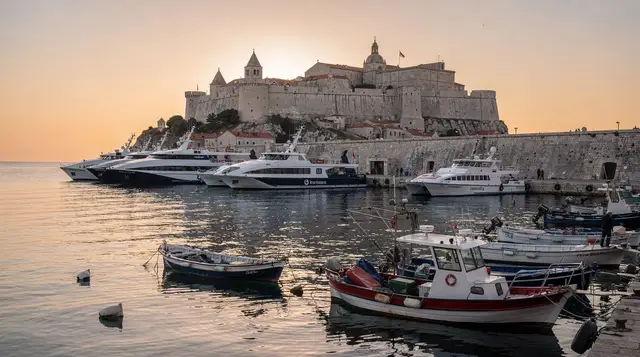
Photo: our own image of the location, not the operator’s product photo.