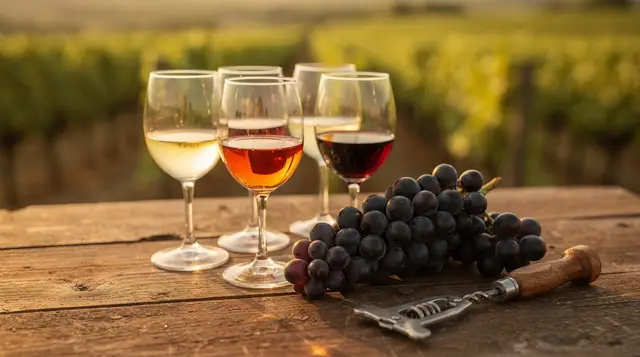
Sicilian wine tours compared
What is the single biggest choice when booking a Sicilian wine tour?
Whether to book a single-region, single-cellar tasting close to a base city, or a longer wine-road format covering several producers in one region. Single-cellar tours run half a day and suit travelers without a car; multi-stop wine-road tours run a full day, usually include transport, and give a clearer sense of how much a region's wines vary between producers.
The broader wine-tourism landscape Sicily now competes in
Sicilian wine tourism is a considerably newer, less mature industry than its equivalents in Tuscany or Piedmont, and this shows up in practical ways worth knowing before booking. Infrastructure specifically built for visitors — dedicated tasting rooms, multilingual staff, polished visitor centers — is less consistently available outside a handful of well-known Etna producers, and a genuine, well-run tasting can still feel more improvised and personal than the more corporate wine-tourism experience common in longer-established Italian regions.
This is generally a positive for travelers who value authenticity and direct producer contact over polish, but it does mean researching a specific tour or producer’s actual visitor-readiness matters more here than in a region where a baseline of professional wine tourism infrastructure can be assumed everywhere.
Why format matters more than region here
Most comparisons of Sicilian wine experiences focus on which region to visit — Etna versus Marsala versus the lesser-known zones — but the more consequential decision for most travelers is format: a single-cellar tasting near a base city, a longer multi-stop wine-road tour through a specific region, or an independent, self-drive approach arranging appointments directly. Each suits a different kind of trip, and the wrong choice wastes more time and money than picking the “wrong” region ever would.
What “compared” actually means across such different formats
Comparing wine tour formats directly is harder than comparing, say, two versions of the same jeep tour, because a single-cellar tasting and a full-day multi-stop wine road trip are not really substitutable options for the same trip slot — they serve different purposes and different amounts of available time. The comparison that actually matters for most travelers is not “which format is objectively better” but “which format matches how much time and interest this specific trip has for wine,” and the sections below are organized around that practical decision rather than ranking formats against each other in the abstract.
Single-cellar tastings: the low-commitment option
A single-cellar tasting, typically one to two hours at one producer, is the lowest-commitment format and the easiest to slot into a day that already has other plans. It suits travelers staying in a base city who want a genuine wine experience without dedicating a half or full day to it, and it works particularly well for anyone based somewhere with urban or near-urban cellar options rather than a dedicated wine-touring region. A wine and vinegar cellar tour with tasting in Cefalù is a good example of this format — accessible without leaving town, structured, and realistic to fit around a half-day of sightseeing on the same day.
Multi-stop wine-road tours: the fuller regional picture
A longer format, running most of a day and usually including two or more producers or a combination of vineyard walk, cellar visit and tasting at a single larger estate, gives a much clearer sense of how a region’s wines actually vary — something a single stop cannot really demonstrate.
This is the more appropriate format for Etna specifically, where the contrada system (explained fully in the Etna DOC wine guide) means neighboring producers can taste genuinely different, and a single cellar visit only shows one slice of that variation. An Etna wine tasting experience in a winery with lunch included represents this fuller format well, combining the tasting with a meal rather than treating it as a quick stop.
Region-specific formats: Marsala, the Madonie, and the west coast
Marsala’s wine tours tend to combine a cellar visit with the town’s other defining landscape feature, the Stagnone salt pans, and a winery visit and tasting of local artisanal wines is a solid entry point for that combination — full detail on the Marsala classification system itself is in the Marsala wine guide.
Away from the two headline regions, a wine tasting in the Madonie mountains covers an inland zone most visitors never hear about before arriving, and a winery tour near Castellammare del Golfo covers the western coastal style — see Sicilian wine explained by grape and region for how these lesser-known zones fit into the island’s broader wine map.
Language and how tastings are actually conducted
Most wine tours and tastings aimed at foreign visitors run in English or with a bilingual host, though smaller, more specialist Etna producers occasionally rely on Italian with translation help from a tour guide rather than the producer speaking English directly.
This is generally not a barrier to a good experience — tasting notes and technical terms translate reasonably well regardless of accent or fluency — but travelers with a genuine, detailed wine interest who want a deep technical conversation about soil, clone selection or specific vintage conditions should confirm language capability directly before booking a producer-led private tasting, since the depth of that kind of conversation depends heavily on direct communication rather than a guide relaying summarized answers.
Group versus private tastings
Group tastings are considerably cheaper and entirely adequate for a general regional introduction — most visitors get a genuine sense of a region’s wine style without needing a private format. Private tastings cost more but open up real conversation with the producer, more flexibility on pacing, and sometimes access to wines not poured for standard group visits. This trade-off matters more to visitors with a specific wine interest than to travelers treating the tasting as one stop among several on a broader day, and it is worth being honest about which category a given trip falls into before paying a premium for a private format that will not actually be used differently from a group one.
Seasonal availability of tours
Wine tour availability shifts with the season in ways worth planning around. Spring and early autumn, the peak visiting windows for both Etna and Marsala generally, also bring the widest range of tour departures and the most producer availability for appointments.
Midsummer sees continued demand but occasionally reduced producer availability, since harvest preparation and the practical difficulty of leading groups through vineyards in peak heat lead some smaller cellars to scale back visitor bookings during the hottest weeks. Winter tours exist but are considerably less frequent, particularly for the multi-stop wine-road format, since fewer visitors travel specifically for wine outside the main season and some smaller producers reduce visitor operations during the quieter months.
Independent, self-drive wine touring
Arranging cellar visits directly, without a booked tour, is possible and gives the most schedule flexibility, but it requires real advance planning: most Etna and Marsala cellars are appointment-only regardless of whether a visitor arrives by rental car or organized transport, and a certain number are trade-focused and not set up for casual visits at all. A rental car mainly buys flexibility on timing and the ability to combine wine stops with other sightseeing on the same drive — it does not remove the need to book ahead.
Travelers already renting a car for a wider Sicily trip should read renting a car in Sicily and driving in Sicily: what nobody warns you about before planning a self-guided wine day, since ZTL zones and unfamiliar rural roads catch out more visitors than the wine appointments themselves.
What experience level a tour actually assumes
Most Sicilian wine tours, regardless of format, are pitched at a general interested traveler rather than a wine professional, and this is worth knowing so as not to arrive with mismatched expectations in either direction. A newcomer with limited wine knowledge will find nearly every format described here approachable, since guides and hosts are accustomed to explaining basics like the contrada system or the Marsala classification tiers from scratch.
A more experienced taster looking for technical depth — soil composition detail, clonal selection, precise fermentation methods — will generally get more out of a private tasting directly with a producer than a standard group format, which tends to stay at a more general, accessible level by design.
Covering more than one region in a single trip
Etna and Marsala sit on opposite sides of Sicily, roughly three hours apart by car, which makes covering both properly in a single day unrealistic regardless of tour format. A dedicated multi-day wine trip, rather than trying to compress both regions into one long day, is the only realistic way to do this justice — see the Sicilian food and wine week itinerary for a route that sequences Etna, Marsala and a few of the lesser-known zones across a full week. Travelers with less time should pick the region that already sits on their route rather than adding significant extra driving purely for a second wine stop.
Wine tastings and driving: a note worth taking seriously
Italy’s drink-driving limits are stricter than some visitors expect, and a genuine multi-wine tasting, particularly a longer format including four or more pours across an afternoon, can put a driver over the legal limit even with modest amounts consumed alongside food. This is worth planning around directly rather than treating as an afterthought: booking a tour that includes transport removes the issue entirely, arranging a private driver for a self-guided cellar visit is the next-best option, and splitting tasting duties within a group so one person drives and abstains is the most practical solution for travelers with their own rental car.
The driving in Sicily guide and private drivers and transfers in Sicily guide both cover this in more depth, and it is a more important practical consideration for a wine-focused day than almost any other logistical detail covered in this guide.
Combining a wine tour with other activities on the same day
Most wine tours, particularly the shorter single-cellar format, leave enough of a day free to combine with other sightseeing rather than filling an entire day on their own. On Etna, this most naturally means pairing a tasting with either the volcano excursion itself or a stop in Bronte’s pistachio country, both covered in the Etna DOC wine guide and Bronte pistachio guide.
In Marsala, combining a cellar visit with the Stagnone salt pans or a side trip to Erice is the more common pairing, covered in the Marsala wine guide. Building a wine stop into a broader day, rather than treating it as the sole activity, tends to produce a more satisfying overall itinerary for travelers without a specialist wine focus, while still leaving room for a longer, dedicated wine day for those who do.
How far ahead to book
Booking timelines matter more for wine tours than for many other Sicilian activities, since the smaller, more serious cellars often run limited daily capacity for visitor tastings alongside their actual winemaking operation. Popular Etna producers, in particular, can fill available tasting slots during the busiest stretches of spring and early autumn, when both volcano tourism and wine tourism peak together.
Booking at least a few weeks ahead is a reasonable general habit for a specific, well-known producer, while more general group tastings and wine-road tours typically have more flexible availability and can often be booked closer to the date. Anyone building a trip around the best time to visit Sicily should factor this into planning rather than assuming wine appointments can be arranged on short notice once already on the ground.
What a disappointing wine tour looks like
It is worth naming the warning signs directly, since wine tourism marketing rarely does. A tour that promises an unusually large number of stops in a short time window is more likely to deliver rushed, superficial pours at each one than genuine engagement with any single producer.
A tasting room detached from any visible vineyard or cellar — essentially a shop with a counter — is a different, lesser experience than an actual cellar or vineyard visit, even when both are marketed using similar language like “winery tour.” And a tour that cannot specify which producer or producers are actually visited, describing the stop only in generic terms, is harder to vet in advance and worth approaching with more caution than one that names its cellar directly. None of this means lower-cost or shorter formats are automatically bad — many are perfectly good introductions — but it is worth reading a specific tour’s description closely rather than assuming similar prices buy similar experiences.
Food alongside wine
Many tour formats fold in food, but “food” ranges enormously between a simple bread-and-cheese pairing and a full multi-course lunch, and this is worth checking directly rather than assuming from a listing title — a winery tour with wine and food tasting near Catania is a reasonable example of a genuinely food-forward format rather than a wine-only pour. For a broader sense of how Sicilian cooking classes and food tours compare to wine-specific formats, see cooking classes in Sicily: what you actually learn and Sicilian food tours compared.
A simple decision framework
For a traveler who wants a quick answer rather than working through every trade-off above, a simple framework covers most cases: choose a single-cellar tasting if wine is a secondary interest fitted around a broader day of sightseeing, choose a multi-stop wine-road tour if wine is a primary reason for visiting a specific region such as Etna, choose a private format if there is genuine wine expertise or interest in the group that a generic tour would not satisfy, and choose independent self-drive touring only if a car is already part of the trip and advance appointments have been arranged directly with specific producers.
Matching the format to genuine interest level, rather than defaulting to whichever tour appears first in a search, is the single most useful habit for getting real value out of Sicilian wine tourism.
Frequently asked questions about Sicilian wine tours
Is it worth renting a car to visit Sicilian wineries independently?
Only if a car is already part of the itinerary or the plan spans multiple wine regions over several days. Most cellars require advance appointments regardless of transport method.
What is the difference between a wine tasting and a wine tour?
A tasting is typically a single stop lasting one to two hours; a tour usually includes transport, multiple stops or a fuller vineyard visit, running a half day to a full day.
Should a first-time visitor choose Etna or Marsala for a single wine day?
Etna if the volcano is already part of the itinerary, Marsala if the west coast and salt pans are already planned, since each wine region sits naturally alongside a different part of the island.
Are group wine tours worth it compared to a private tasting?
Group tours are cheaper and adequate for a general introduction. Private tastings cost more but allow more direct conversation with the producer and more flexible pacing.
Do Sicilian wine tours include food?
Many do, ranging from a simple pairing to a full meal, so checking exactly what is included is worth doing before comparing prices across similar-sounding tours.
Can a single trip realistically cover both Etna and Marsala wine country?
Only with real driving time built in, since the regions sit roughly three hours apart on opposite sides of the island. A multi-day wine itinerary is the realistic way to cover both.
Food and wine tours on GetYourGuide
Verified deep-linked GetYourGuide tours. Book through these links and we earn a small commission at no cost to you.
Photo: our own image of the location, not the operator’s product photo.