The best time to visit Sicily
When is the best time to visit Sicily?
April through June and September through October give you warm, dry weather without the extreme heat of July-August or the rain and closures of winter. If you want swimmable sea plus manageable crowds, June or September is the sharpest compromise.
Sicily does not have one season, it has four very different ones
Ask ten people when to visit Sicily and most will say “summer,” which is exactly the answer that leads to the most disappointing trips. Sicily in July is not the same island as Sicily in May: the heat is a different order of magnitude, the archaeological sites are shadeless ovens by midday, and the coastal towns everyone pictures in photos are wall-to-wall with visitors. The island’s real strength is its shoulder seasons, when the weather is already reliable but the crowds and prices have not yet peaked. This guide sets out what each period actually delivers, so you can match your trip to what you want rather than to the calendar month that “sounds right.”
For a granular breakdown of temperatures and rainfall by month, see Sicily weather month by month. This page is about trade-offs and decisions, not just numbers.
The two windows that work best for most travellers
April to June and September to October are consistently the strongest windows for a first Sicily trip. Daytime temperatures sit comfortably in the low-to-mid twenties Celsius through most of this range, rainfall is low, and archaeological sites such as the Valley of the Temples or Segesta are walkable at midday without the sun becoming a hazard. Late spring and early autumn also keep hotel and car rental prices well below August peaks, and restaurants and museums operate on full schedules rather than reduced holiday hours.
Within that range, June edges out May because the sea has usually warmed enough to swim comfortably, and September edges out October for the same reason, while still avoiding the first autumn rains that tend to arrive from late October. If you can only pick one month and want both good weather and swimmable sea with the least crowding, June and late September are the two strongest single answers.
Why summer is not automatically “the best time”
July and August are Sicily’s peak tourist months by volume, but they are also its harshest weather months. Inland towns and archaeological parks regularly exceed 35°C, with heatwave spikes above 40°C, and there is very little shade at exposed sites. Coastal towns run a few degrees cooler thanks to sea breeze, which is why so many visitors base themselves in Taormina, Cefalù or Mondello rather than inland cities during this period. For the full detail on what a summer trip actually involves, see Sicily in summer.
August adds a specific complication beyond heat: Ferragosto, the 15 August public holiday, is when Sicilians themselves head to the coast en masse. Beaches and ferries to the islands are at their most crowded and expensive of the year, while a number of city-centre shops and restaurants in Palermo and Catania close for several days around the date, since the people who run them are also on holiday. Sicily in August and Ferragosto covers this specific window in detail — it is worth reading before you commit to an August trip.
None of this makes summer a bad time to visit outright. If your priority is beach time, boat trips and nightlife, and you plan your days around the heat (early starts, afternoon rest, evening activity), summer works. It is a poor fit if you plan to spend full days walking archaeological sites or driving long inland routes without air conditioning breaks.
Winter: cheaper, quieter, and genuinely different
Winter in Sicily is mild by northern European standards, with coastal daytime temperatures typically in the 12-16°C range, but it is also the island’s wet season, and daylight hours are short. The practical consequence for travellers: many hotels, beach clubs and restaurants on the smaller islands close entirely from November through March, and the sea is often too rough for hydrofoils (aliscafi) to the Aeolian or Egadi islands, meaning crossings get cancelled with little notice. On the upside, major sites like the Cappella Palatina or the Neapolis park in Syracuse are close to empty, and prices on accommodation and car rental drop noticeably.
Winter also opens up an option most visitors never consider: snow and skiing on Mount Etna, at Rifugio Sapienza on the south side and Piano Provenzana on the north, plus at Piano Battaglia in the Madonie mountains. Access to Etna’s summit craters remains regulated by current volcanic activity year-round, and above roughly 2,900 metres a licensed guide is required regardless of season — that rule does not relax in winter. Full detail on this trade-off is in Sicily in winter.
Spring: almond blossom, Easter, and a cold sea
Spring starts earlier than the calendar suggests for one specific event: almond trees blossom around Agrigento as early as February, well before most people would think to book a Sicily trip. From March onward, weather turns reliably drier and warmer, though the sea stays cold — around 14-15°C in February and March — meaning swimming is not realistic until closer to June even on a warm, sunny spring day.
Easter and Holy Week bring some of Sicily’s most distinctive cultural events: the Misteri processions in Trapani, and the hooded confraternity processions in Enna and Caltanissetta. These draw heavy local attendance, meaning accommodation in those three towns specifically should be booked well ahead if your trip lands on Holy Week. See Easter and Holy Week in Sicily for details, since dates shift every year with the Christian calendar. May brings the Infiorata flower-petal displays in Noto, a purely visual, low-crowd event worth timing a Val di Noto trip around. The full picture is in Sicily in spring.
Autumn: harvest season and a still-warm sea
September and October combine reliably warm, dry weather with a sea that is often still around 24°C in October — genuinely swimmable well after most of Europe has given up on beach holidays. Autumn is also harvest season on Mount Etna, where the Etna DOC wine region runs its grape harvest in September and October, and the Cous Cous Fest in San Vito Lo Capo typically runs in late September. Later autumn, from November, brings a rising chance of storm rain, so travellers chasing the driest window should lean toward September and the first half of October. Full month-by-month detail is in Sicily in autumn.
Matching the season to your reason for visiting
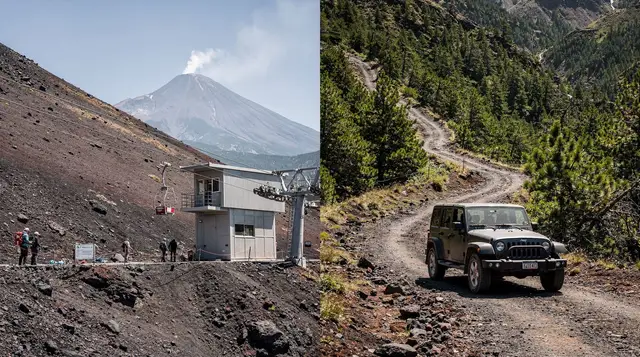
If your trip is built around hiking or visiting Mount Etna, April-June and September-October give the most stable weather window at altitude, though conditions there depend on current volcanic activity regardless of season — check with your operator close to travel. Mount Etna: Return Funivia dell'Etna Cable Car Ticket operates on its usual schedule across these months and into winter, snow permitting.
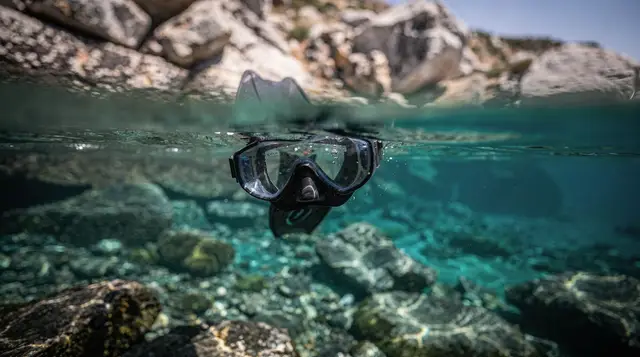
If your trip is beach and island-focused — the Aeolian Islands or Egadi Islands — June through September is the realistic window, since most island hotels and beach clubs shut for winter and ferry cancellations from rough seas become more frequent from November onward. Aeolian Islands: Tour from Milazzo by Motorboat and Cefalù: Boat Tour with Snorkeling and Aperitif both depend on calm-enough seas to run.
If your trip is centred on archaeological sites and Baroque towns — Valley of the Temples, Selinunte, the Val di Noto — shoulder season matters more than almost any other trip type, since these sites offer little shade and become genuinely uncomfortable walking in July-August heat. Best of Palermo Private Walking Tour with a Local is a good example of a walking-heavy format best scheduled outside peak summer.
If your priority is budget, winter offers the lowest prices across accommodation and car hire, at the cost of closures on the smaller islands and unpredictable weather. See What a week in Sicily actually costs for how seasonal pricing plays out concretely.
Regional differences worth knowing
Sicily’s interior — the Madonie, inland areas around Enna and Caltanissetta — runs noticeably hotter in summer than the coast, since there is no sea breeze to moderate temperatures. Coastal cities like Palermo and Catania are more bearable but still hot in July-August.
The islands sit in their own category: warmer winters than the mainland coast in relative terms, but far more exposed to sea conditions that can cancel your entire day’s plan with no warning. If your itinerary mixes inland archaeology with island time, plan for this variation rather than assuming one packing list and one clothing plan covers the whole trip.
Deciding how long you need once you’ve picked a season
Once you have a season in mind, the next planning question is usually how many days to allow. See How many days do you need in Sicily and One week or two weeks in Sicily for how trip length interacts with what a given season realistically lets you cover — a one-week trip in August, for instance, usually means picking one coast rather than attempting the whole island, while the same week in May or October stretches further because heat breaks are less necessary.
How Sicilian daily life shifts with the season
The season also changes how the island itself operates, not just the weather. In high summer, many Sicilians shift toward an early start, a long midday lull when shutters come down and shops close, and a late evening that stretches well past 9pm — restaurants filling up at hours that feel late by northern European standards.
Visiting in this rhythm rather than against it tends to produce a better trip: plan sightseeing and errands for morning or evening, and treat the hottest hours as a built-in rest period rather than wasted time. In winter, by contrast, city life compresses into daylight hours, with earlier dinners and a much quieter evening scene outside the main squares. Shoulder season sits between the two, closer to summer’s rhythm as the weather warms toward June, and closer to winter’s as it cools toward November.
Booking lead times by season
How far ahead you need to book also shifts significantly across the year. In July and August, and especially around Ferragosto, accommodation in popular coastal towns and any ferry crossing to the Aeolian or Egadi islands can sell out weeks ahead, and car rental availability tightens noticeably.
In the shoulder months of May, June, September and October, booking a few weeks ahead is usually enough outside a handful of specific events, such as the Infiorata in Noto or the Cous Cous Fest in San Vito Lo Capo. Winter is the most forgiving season for last-minute planning, since demand is at its lowest — the main exception is Holy Week in Trapani, Enna and Caltanissetta, where local demand for accommodation spikes regardless of the generally quiet season. See Easter and Holy Week in Sicily for that specific case.
Combining regions and seasons in one trip
Longer trips that stretch across several weeks sometimes span more than one seasonal window, particularly if travelling in late spring into early summer or late summer into early autumn. If your dates straddle two windows described here, lean on the earlier or later end of your itinerary for whichever activity suits it best — for example, scheduling archaeological sites and hiking for the cooler days at either end of a trip, and beach or island time for the warmest days in the middle. See The full Sicily road-trip loop and Sicily in two weeks for itineraries built to make use of exactly this kind of seasonal flexibility across a longer stay.
First-time visitors versus repeat visitors
A first Sicily trip and a second or third one often benefit from different seasonal choices. First-time visitors tend to want a broad sample of the island — a mix of heritage sites, one or two coastal towns, and perhaps Mount Etna — which favours the shoulder seasons described above, since they let you move through a fuller itinerary without the heat forcing constant breaks.
See Sicily for the first time for how a first trip is typically structured. Repeat visitors who have already covered the highlights sometimes deliberately choose summer for a slower, beach-and-island-focused trip, or winter for a food- and city-focused return visit that would have felt thin on a first pass. Neither approach is wrong; the point is that “best time to visit” depends partly on what kind of trip you are trying to have this time around.
A quick reference by trip type
If you read nothing else on this page, use this as a shortcut. Beach and island trips: June to September, with August adding Ferragosto crowding on top of the heat. Hiking, Etna and archaeology: April-June or September-October, when temperatures are manageable and shade is not the deciding factor in your day. Wine and food: September-October for the Etna harvest specifically, though both shoulder seasons work for food travel generally. Budget-first trips: winter, accepting rain, short days and island closures in exchange for the lowest prices of the year. Cultural events: spring, for Easter processions and the Noto Infiorata, both covered in more depth on their own pages linked throughout this guide.
Frequently asked questions about the best time to visit Sicily
What is the single best month to visit Sicily?
For most travellers, June or late September. Both give reliably warm, dry days, sea warm enough to swim in, and crowd levels well below the July-August peak. May and October are close seconds, with slightly cooler sea and a small chance of rain.
Is Sicily too hot to visit in summer?
Not unbearable, but demanding. Inland areas and archaeological sites regularly pass 35°C in July and August, with spikes above 40°C during heatwaves. Coastal towns are a few degrees cooler thanks to sea breeze, but shade is often limited at ruins like Selinunte or Segesta.
Can you visit Sicily in winter?
Yes, and it suits travellers who want low prices, empty archaeological sites and no queues. The trade-off is rain, short daylight, rough seas that can cancel ferries to the islands, and many island hotels and beach clubs closed entirely from November to March.
When should I avoid visiting Sicily if I want to save money?
Avoid the last two weeks of July and all of August, especially the week around Ferragosto on 15 August. That is when Sicilians themselves travel, prices peak, ferries fill up, and many city-centre businesses in Palermo and Catania close for several days.
Is the sea warm enough to swim in during spring?
Only from around June onward for most people. Sea temperatures sit around 14-15°C in February-March and only climb through April and May, meaning early spring visitors get good weather on land but a genuinely cold sea.
Does Sicily have a rainy season?
Rainfall concentrates in autumn and winter, roughly October to February, with November typically the wettest month. Summer is close to rain-free, which is part of why it gets so hot and dry.
The bottom line
If you can choose freely, aim for April-June or September-October — you get reliable weather, a manageable crowd level and, from June onward, a swimmable sea, without July-August’s extreme heat or winter’s closures and rain. If your travel dates are fixed and fall in July-August, plan around the heat rather than against it: early starts, coastal bases, afternoon downtime, and — if your trip includes any island time — book ferries well ahead of Ferragosto. If your dates land in winter, treat it as a genuinely different, quieter trip focused on cities and inland Sicily rather than beaches and island-hopping, and check operator schedules before assuming any boat-based excursion will run as planned.
Seasonal experiences on GetYourGuide
Verified deep-linked GetYourGuide tours. Book through these links and we earn a small commission at no cost to you.
Photo: our own image of the location, not the operator’s product photo.