Baroque towns and Greek temples in 5 days
Two very different Sicilies, back to back
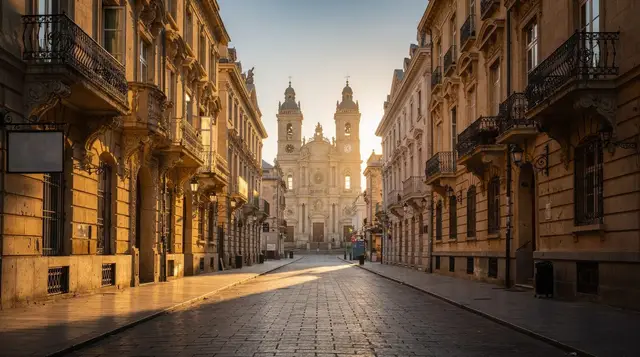
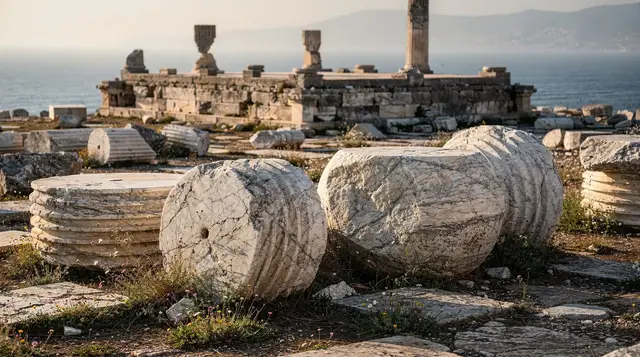
This itinerary deliberately puts two of Sicily’s most distinctive historical layers side by side: the Valley of the Temples, some of the best-preserved Greek Doric temples anywhere outside Greece, and the Val di Noto’s Baroque towns, rebuilt almost from scratch after the 1693 earthquake. The contrast — 2,500-year-old columns, then honey-gold 18th-century facades a few days later — is more striking traveling this route in sequence than reading about either separately. If you’d rather stay based in one place and skip Agrigento, Syracuse and the Val di Noto in 4 days covers the Baroque half alone.
| Best for | History-focused travellers, UNESCO site collectors, first Sicily trips with a classical bent |
| Getting around | Rental car — the Agrigento-to-Syracuse leg is a long drive with no fast public transport option |
| Total budget guide | Around 700-950 € per person for five days, excluding flights |
| Car needed | Yes |
Day 1 — Agrigento and the Valley of the Temples
Morning: Arrive in Agrigento and head straight for the Valley of the Temples, a large UNESCO archaeological park holding some of the best-preserved Doric temples anywhere — the Temple of Concordia in particular survives close to intact, having been converted into a church in late antiquity, which likely saved it from the deliberate destruction other temples here suffered. Book a guided Valley of the Temples and old town tour. Our Valley of the Temples guide breaks down which temples are worth the most time.
Afternoon: Budget three to four hours minimum for the full site — it’s large, mostly uncovered, and genuinely hot with little shade from late spring through early autumn. Bring more water than feels necessary.
Evening: Overnight in Agrigento, since tomorrow’s drive to Syracuse is the longest leg of the trip and starting fresh matters more here than anywhere else on this itinerary.
Day 2 — The long drive to Syracuse, and Ortigia’s first evening
Morning: Drive from Agrigento to Syracuse, about 2 hours 45 minutes — genuinely the longest single drive on this itinerary, so leave early and treat it as a travel day rather than trying to sightsee en route. If you’re tired, cut this: break the drive with a short stop in Piazza Armerina to see the Villa Romana del Casale’s Roman mosaics, though this adds roughly an hour of detour and makes for a long day.
Afternoon: Settle into Ortigia, the small island old town connected to mainland Syracuse by two short bridges, note its own ZTL zone, and park in a mainland-side lot rather than trying to drive in.
Evening: A slow first walk to Piazza Duomo, built directly onto the columns of an ancient Greek temple to Athena, is a fitting way to bookend the day — ancient columns again, just a very different context from the morning’s temples in Agrigento.
Day 3 — Syracuse’s Neapolis park and Ortigia
Morning: The Neapolis archaeological park holds the Greek theatre and the Ear of Dionysius limestone cave. Book a guided tour of Ortigia and the Neapolis archaeological park. Go early for shade and smaller crowds.
Afternoon: Walk Ortigia itself at a slower pace — the Fountain of Arethusa, the old Jewish quarter around Via della Giudecca, and the waterfront promenade.
Evening: Ortigia’s dinner options cluster near Piazza Duomo, though a short walk away from the square usually finds better value for the same quality.
Day 4 — Noto and the Baroque turn
Morning: Drive to Noto, about 40 minutes from Syracuse — the Val di Noto’s showpiece and the clearest single expression of the region’s post-1693 rebuild. This is the pivot point of the whole itinerary: from here on, everything is 18th-century Baroque rather than ancient Greek. Our Val di Noto Baroque guide explains the earthquake and rebuild story behind all eight towns in the grouping, not just Noto itself.
Afternoon: Walk the Corso at whatever pace the heat allows, and consider timing a second pass for late afternoon, when the limestone facades take on a noticeably warmer color.
Evening: Drive back to Ortigia, about 40 minutes, for a final night in Syracuse.
Day 5 — Modica and Ragusa Ibla, then departure
Morning: Drive to Modica, about an hour and 20 minutes from Syracuse. Modica’s Baroque streets climb dramatically up a ravine, and its cold-processed chocolate tradition — inherited from Spanish colonial trade routes rather than developed independently — is worth an hour on its own.
Afternoon: Drive the short 20-25 minutes to Ragusa Ibla, the older lower half of Ragusa connected to the upper town by a long staircase. Book a combined Noto, Modica and Ragusa Ibla tour if you’d rather do this whole day with a guide instead of self-driving. Our Ragusa Ibla guide covers the Duomo di San Giorgio and the staircase route.
Evening: Depart from Comiso airport (closer to this corner than Catania) if your flights allow, or drive back toward Catania for a later departure.
Practical notes
Ortigia, Noto and Ragusa Ibla all enforce ZTL zones — park in marked lots outside each historic core. Archaeological sites (Valley of the Temples, Neapolis) are best visited in the morning for shade and lower crowds, while the Baroque towns’ narrower streets stay comfortable later into the afternoon.
Greek and Roman site tours on GetYourGuide
Verified deep-linked GetYourGuide tours. Book through these links and we earn a small commission at no cost to you.
Photo: our own image of the location, not the operator’s product photo.