The Alcantara Gorges: body rafting and basalt
What are the Alcantara Gorges known for?
Tall walls of prismatic basalt columns carved by the Alcantara river through an old Etna lava flow, near Taormina. Most visitors either walk down via the site's paid lift and walkway, or book a guided body rafting or canyoning tour into the narrower sections, always in a wetsuit — the water sits around 10°C year-round.
A canyon that Etna built, not a river that dug through rock alone
Most gorges are the product of water slowly cutting through stone over millions of years. The Alcantara Gorges are different: an eruption of Etna sent a lava flow down into the valley of the Alcantara river, and as that lava cooled it contracted into the hexagonal basalt columns you see today — a natural formation more usually associated with places like Giant’s Causeway in Ireland. The river then carved its channel through the cooled rock, exposing walls of near-geometric stone columns that rise several metres on either side of the water in the narrowest sections.
The result is one of the more visually distinctive short excursions available near Taormina and Etna, and one that splits neatly into two very different ways of experiencing it: looking, or getting in.
The two ways to see the gorges
The official Parco dell’Alcantara site, on the main access point near Motta Camastra, runs a ticketed lift (in one direction) and a staircase down to the gorge floor, where a short walkway lets independent visitors walk along the water’s edge, look up at the basalt columns and wade into the shallows if they want to. This is the low-commitment option: no wetsuit required if you’re happy to stay in ankle-deep water, no booking needed beyond the entrance ticket, and no minimum fitness level beyond managing stairs.
The alternative is to go further in with a guided group, wearing a wetsuit, either walking and swimming upstream through the narrower channel (often marketed as “river trekking” or “canyoning”) or doing full body rafting, which adds short stretches of floating and swimming through faster water and small drops. Both formats go beyond where the public walkway reaches, into sections of the gorge that are otherwise inaccessible.
Alcantara River Body Rafting Experience is the standard guided body rafting format: wetsuit, helmet and guide included, moving through the gorge on foot and in the water rather than just looking down from the walkway.
Why the water is always freezing
Whichever option you choose, expect the water to be cold — genuinely cold, not “brisk” cold. The Alcantara’s flow is fed substantially by mountain springs and snowmelt from the slopes around Etna and the Nebrodi, which keeps the river at around 10°C for most of the year regardless of how hot the surface air gets. This is the reason every guided activity here supplies a wetsuit as standard kit, even in the middle of a 35°C August. Anyone tempted to skip the wetsuit and just wade in from the walkway in shorts will understand within about thirty seconds why operators do not offer that as an option for their tours.
Access depends on the water level, not the calendar
The gorge’s lower, narrower sections are not open on a fixed schedule independent of conditions. Access for river trekking, canyoning and body rafting depends on the current water level and flow rate, and both the park authority and individual operators suspend those activities — sometimes with only a day’s notice — after heavy rain raises the river or when conditions are judged unsafe.
This is not overcaution: a channel this narrow can turn from a gentle wade into a genuine flash-flood risk within a short window after a storm upstream, even if it looks calm from the road. If you have a fixed day booked and the forecast shows rain in the days before, build in flexibility, or at minimum call ahead rather than assuming the booking will proceed as planned.
Sicily: Gurne dell'Alcantara Canyoning with Guide covers one of the guided canyoning routes into the gorge’s pools (gurne) — check current conditions with the operator before travelling if rain is forecast beforehand.
River trekking versus body rafting: which to book
“River trekking” and “canyoning” tend to describe a calmer format — walking, wading and short swims through the gorge with a guide, minimal technical skill required beyond basic comfort in water. “Body rafting” usually implies a more active version of the same terrain, with more swimming, some short natural slides or drops, and a slightly higher fitness bar, though still aimed at reasonably fit beginners rather than experienced canyoners. Neither requires previous experience; both require a wetsuit, a guide, and — for anyone genuinely uncomfortable in moving water — a frank conversation with the operator before booking, since parts of both routes involve floating past your depth.
Alcantara Gorges River Trekking is the gentler of the two formats if you want to see the narrower sections without the more active swimming and small drops that body rafting includes.
Combining the gorges with Etna
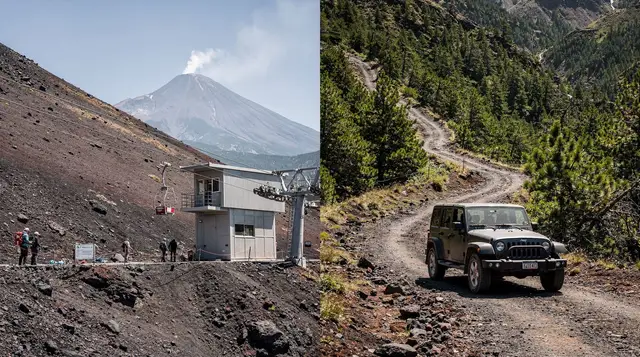
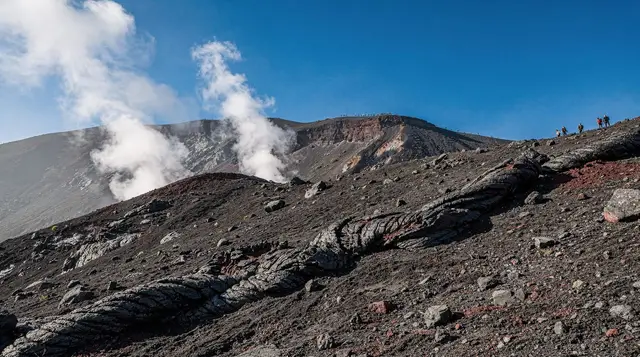
Because the Alcantara Gorges sit close to Etna’s north side, a common day plan pairs the two: a morning on Etna’s slopes — walking, a jeep tour, or Quad, buggy and jeep tours on Etna — followed by an afternoon in the gorge to cool off in the (very cold) water. The geological link is not incidental marketing either: the basalt in the gorge walls is quite literally old Etna lava, so seeing both in the same day tells a more complete story than either on its own. For the fuller Etna picture, see Mount Etna: the complete visitor guide.
Half Day Guided Quad Bike Tour in Gole dell'Alcantara is one option for combining a quad excursion with a visit to the gorge itself, run by operators based locally around Motta Camastra and Francavilla di Sicilia.
What the gorge floor actually looks like
Photographs of the Alcantara Gorges tend to flatten what is, in person, a fairly dramatic sense of scale: walls of dark grey basalt columns, packed tight in vertical or slightly angled bundles, rising several metres above a riverbed of smoothed, rounded stones. The columns are the giveaway that this is cooled lava rather than sedimentary rock — most gorges show layered, horizontal bedding; here the geometry is closer to a stack of irregular hexagonal pencils. In the narrower stretches the walls close in enough that direct sunlight only reaches the water for part of the day, which keeps the air noticeably cooler than the open valley above even before you factor in the water temperature.
The best light for photography is generally late morning to early afternoon, when the sun reaches further down into the gorge; earlier or later in the day, much of the channel sits in shadow, which can work for atmosphere but makes it harder to see the basalt’s texture clearly.
Avoiding the entrance-area hassle
As at several popular natural sites around Sicily, the road approaching the official park entrance tends to attract informal parking touts directing cars toward private lots for a fee, some distance from the signposted official car park. None of this is dangerous, but it is worth knowing in advance: the official Parco dell’Alcantara entrance has its own car park and ticket office, and there is no need to pay an unofficial attendant on the approach road unless you are choosing to park closer for convenience. If you have booked a body rafting or canyoning tour directly with an operator, confirm your meeting point in advance — some operators meet at their own base rather than at the main park entrance.
The wider Etna wine connection
Because the gorge’s basalt is Etna lava and the surrounding valley sits within reach of the volcano’s eastern vineyards, a growing number of visitors combine a gorge visit with a stop on the Etna wine road, tasting wines grown in soil made from the same volcanic material visible in the gorge walls. It is not a required pairing, but it is a coherent one if you have a full day rather than a rushed half-day near Taormina.
Getting there and practical notes
The gorges sit roughly 30–40 minutes by car from Taormina and a similar distance from Messina, making them a realistic half-day trip rather than a full expedition. A rental car is the most flexible way in — public transport to the site is limited — and parking is available near the official entrance, though it fills up on peak summer days. Bring a change of clothes and a towel regardless of which option you choose, since even the public walkway tends to leave visitors wetter than planned.
If travelling with young children, the ticketed walkway and shallow wading area is the more realistic choice; most body rafting and canyoning operators set minimum ages for the more active routes, so check before booking if children are joining. Visiting outside July and August also helps — the site draws large coach groups at peak season, and queues for the lift down can build up quickly around midday.
For a broader look at how this fits into a wider outdoor-focused Sicily trip, see Hiking in Sicily: the routes that are worth it and Cava Grande del Cassibile, which covers Sicily’s other well-known canyon-and-pools route in the southeast. Families planning a broader trip can also check Sicily with kids for how a gorge visit fits alongside beach days and easier sightseeing.
Frequently asked questions about the Alcantara Gorges
How cold is the water in the Alcantara Gorges?
Cold enough to need a wetsuit in every season, including August. It typically sits around 10°C because it comes largely from mountain springs and snowmelt feeding the river, not from surface warming.
Can you visit the Alcantara Gorges without a tour?
Yes. The official Parco dell’Alcantara site has a ticketed lift or staircase down to the gorge floor for independent visitors who want to look, wade in the shallows and photograph the basalt columns without booking body rafting or canyoning.
Is body rafting in the Alcantara Gorges safe?
With a licensed operator, wetsuit, helmet and a guide reading river conditions in real time, it is a mainstream activity suitable for reasonably fit beginners. It becomes genuinely dangerous after heavy rain, which is why access to the narrower sections closes when water levels rise.
Why does the gorge close after rain?
The Alcantara river can rise fast after storms upstream, turning a shallow wading route into a flash-flood hazard within the narrow basalt channel. Operators and the park authority suspend access to the lower gorge on those days regardless of how the weather looks locally.
How far is the Alcantara Gorges from Taormina?
Roughly 30 to 40 minutes by car, making it a realistic half-day trip from Taormina or Giardini Naxos, and an easy add-on to a day that also includes Etna’s north side.
What should I bring to the Alcantara Gorges?
A swimsuit to wear under a wetsuit if you’re booking an activity, water shoes or old trainers for the slippery riverbed, a towel, and a dry change of clothes for afterwards. Operators generally supply the wetsuit, helmet and any rafting or canyoning gear.
Can non-swimmers do the Alcantara body rafting?
Most operators require basic swimming ability and comfort in moving water, since parts of the route involve floating and swimming short stretches. Check with the specific operator if you are not a confident swimmer — some tamer river-trekking options exist alongside the more committing body rafting routes.
Etna and volcano tours on GetYourGuide
Verified deep-linked GetYourGuide tours. Book through these links and we earn a small commission at no cost to you.
Photo: our own image of the location, not the operator’s product photo.