The Egadi Islands, Favignana, Levanzo and Marettimo
Which Egadi island should a first-time visitor pick?
Favignana for the easiest ferry connection, cycling terrain and the widest range of coves and restaurants. Levanzo works well as a half-day add-on for the Genovese cave. Marettimo suits travellers who specifically want the wildest, least developed island and don't mind a longer, less frequent crossing.
Three islands off Trapani, and a much shorter crossing than the Aeolians
The Egadi Islands (Isole Egadi) sit a short distance off Sicily’s western tip, reachable from Trapani or Marsala in a fraction of the time the Aeolian crossing takes from Milazzo. There are three inhabited islands — Favignana, Levanzo and Marettimo — plus the uninhabited islet of Formica, and the whole archipelago is small enough that a determined visitor can see the two closer islands, Favignana and Levanzo, in a single long day.
That compactness is the main practical difference from the Aeolians, covered on its own terms in Aeolian or Egadi islands: shorter transfers, a flatter and more approachable Favignana, and a considerably quieter, less commercialised overall feel.
The waters here are also part of the Riserva Naturale Isole Egadi, Europe’s largest marine protected area, which is the reason the sea around all three islands stays exceptionally clear and the reason certain coves and cave visits are regulated rather than freely accessible by any boat that wants to pull in.
Getting there: Trapani over Marsala for frequency
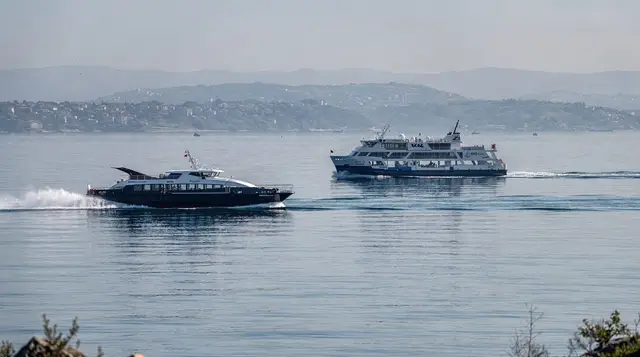
Trapani runs the highest number of daily hydrofoil and ferry departures to the Egadi Islands, with the crossing to Favignana taking as little as 20 minutes on the fastest hydrofoil and up to 40–50 minutes on the slower traghetto. Marsala also runs services, useful for anyone based further south along the coast, but with a noticeably thinner timetable outside peak summer months.
Both ports are a manageable drive or bus ride from Trapani and Erice, and Trapani’s airport (Vincenzo Florio) sits close enough to the port that a same-day arrival-and-crossing is realistic for a well-timed flight, though not recommended as a first attempt given how easily a delayed bag or a slow taxi eats the buffer.
Booking a Trapani–Favignana ferry ticket in advance during July and August avoids the risk of a sold-out sailing on a summer weekend, though outside peak season walking up to the ticket office with a same-day departure in mind is usually fine.
As everywhere in this part of Sicily, the caveat that applies to every other archipelago in this guide applies here too: sailings can be suspended on short notice in strong wind, most commonly from the west, and travellers should avoid scheduling a flight home for the same day they plan to leave the islands. The mechanics of buying tickets, choosing hydrofoil versus ferry and what each costs are covered fully in Ferries and hydrofoils around Sicily.
Favignana: flat, cyclable and the easiest base
Favignana is the largest and most visited of the three, shaped roughly like a butterfly and, unusually for Sicily’s islands, mostly flat — which makes it one of the very few places in the archipelago genuinely suited to exploring by bicycle rather than car or scooter. The old tuff stone quarries that once supplied building material across western Sicily have left behind a landscape of sunken, sheltered coves with startlingly turquoise water, including Cala Rossa, generally considered the island’s best swimming spot and correspondingly busy in August.
The island’s other defining feature is its history as one of the Mediterranean’s most important tuna processing centres. The Stabilimento Florio, a 19th-century tonnara (tuna processing plant) built by the same Florio family behind Marsala’s wine industry, is now a well-presented museum documenting the mattanza — the traditional, brutal mass tuna trapping ritual that sustained the island’s economy for generations and that has now been almost entirely discontinued for conservation reasons.
A guided walking tour of the village and former tuna farm covers this history properly rather than skimming it from a plaque. The full story, including how much of the mattanza tradition survives today, is told in the blog piece the tuna traps of Favignana.
Favignana has the widest choice of accommodation and restaurants of the three islands and is the only one where renting a bike at the port and simply riding to whichever cove looks quiet that day is a realistic, low-planning way to spend a full day.
Levanzo and the Genovese cave: book ahead, no exceptions
Levanzo is the smallest of the three inhabited islands, with a single, tiny village and a population in the low hundreds. Its one unmissable feature is the Grotta del Genovese, a cave containing rock engravings and paintings dating back roughly 10,000 to 12,000 years, among the most significant Paleolithic and Neolithic art sites in the Mediterranean.
Access is strictly controlled: visits happen only on a pre-booked guided tour, either by small boat around the coast or on foot with a 4x4 transfer across rough terrain, and turning up without a booking generally means being turned away, since the site’s custodian runs a fixed number of visits per day to protect the artwork. This is worth planning around rather than treating as a spontaneous stop.
Beyond the cave, Levanzo’s appeal is its almost complete lack of development: no real roads to speak of, a handful of restaurants around the tiny harbour, and swimming from rocks rather than sand. Most visitors treat it as a half-day add-on to a Favignana-based trip rather than an overnight destination, though its quiet does have its own appeal for travellers deliberately seeking less company.
Marettimo: the wild one, and worth planning for separately
Marettimo sits furthest from Trapani, roughly an hour or more by hydrofoil, and is visibly different from the other two: mountainous rather than flat, with hiking trails, sea caves along a dramatic coastline, and a much smaller and slower-paced fishing village as its only settlement. It has no real road network for cars and gets by on foot, small boats and a handful of scooters. The appeal here is entirely about caves, coastal hiking and diving rather than beach lounging — a boat tour of Marettimo’s caves and coves is the standard way to see the coastline properly, since much of it is inaccessible on foot.
Marettimo’s ferry schedule is thinner than Favignana’s, sometimes down to one or two sailings a day outside peak summer, which makes it more exposed to a cancelled-sailing scenario than the closer islands. Anyone planning a Marettimo day trip should build in slack rather than scheduling it as the final activity before a flight, and ideally check the current timetable directly with the ferry operator rather than assuming last year’s schedule still holds.
A day trip, or a longer stay
For visitors based on the Sicilian mainland around Trapani, Erice or Marsala, a single day trip covering Favignana, with or without a Levanzo stop, is the most common way to see the Egadi Islands, and it’s widely sold as a packaged excursion — the Trapani-departure boat tour to Favignana and Levanzo with lunch is a representative version of this, combining the ferry crossing, swimming stops and both islands in one booking. This suits travellers who have only a day to spare and don’t want to manage separate ferry legs themselves.
A longer stay of two or three nights, sleeping on Favignana and day-tripping to Levanzo and Marettimo, suits anyone who wants to actually use a bike, linger at a cove without a return-ferry deadline, or fit in the Genovese cave and a Marettimo day without cramming both into one day. Comparing this trip against the very different rhythm of the Aeolian Islands — considerably further out and involving much longer transfers — is covered in Aeolian or Egadi islands, and a broader look at combining several archipelagos in one Sicily trip is in island hopping around Sicily.
Diving, snorkelling and the marine reserve
The Egadi marine reserve is one of the best diving and snorkelling areas in Sicily, thanks to strict protections that have kept the seabed relatively undisturbed compared with more heavily trafficked stretches of coast. Visibility is consistently good, and the coastline around Marettimo in particular is popular with certified divers for its caves and drop-offs. Snorkelling straight off a rented boat or a beach at Favignana requires no certification and no advance booking; scuba diving with an instructor does, and the full picture of where to dive and snorkel across Sicily, not just here, is in snorkelling and diving in Sicily.
The reserve itself is zoned, with stricter no-fishing and limited-access areas around parts of Marettimo and Favignana’s western coast, and looser zones elsewhere that permit swimming, snorkelling and light boat traffic without restriction. This zoning is precisely why the water has stayed as clear as it has after decades of tourism, and it’s worth respecting the boundaries marked by buoys around the stricter zones rather than assuming any patch of blue water is fair game for a rented boat to anchor in.
What it actually costs
A return hydrofoil ticket Trapani–Favignana runs in the tens of euros per person, cheaper on the traghetto and cheaper still off-season. Bike rental on Favignana is inexpensive and usually the best-value way to spend a day there. A packaged boat tour combining the crossing, both closer islands and lunch costs more than doing it independently leg by leg but removes the planning overhead, which matters if this is a single day inside a longer, tightly scheduled Sicily trip. A full breakdown of boat excursion pricing across the whole island system, not just the Egadi, is in what a Sicilian boat tour actually costs.
Getting around once you’re there
Favignana’s flat terrain makes a rented bicycle the default way to get around, and most visitors need nothing more elaborate: the port village has several rental points, and pedalling to a quiet cove rather than driving is genuinely one of the better small pleasures of an Egadi trip. Scooter rental is also available for anyone who wants to cover more ground in less time or isn’t confident cycling in the summer heat. A car is rarely worth bringing across on the ferry given how compact the island is, and parking near the more popular coves is limited in August regardless.
Levanzo has essentially no vehicle traffic to speak of, and its handful of roads are best covered on foot, which suits an island this size. Marettimo similarly has no meaningful road network for cars; getting around means walking established paths or, for the coastline itself, joining one of the boat tours that cover the caves and coves inaccessible on foot. None of the three islands need a car, and bringing one across on the ferry mostly just adds an unnecessary vehicle fare and a parking headache.
Where to eat, and what’s actually on the menu
Favignana’s port village has the widest choice of restaurants of the three islands, unsurprisingly, with tuna the dominant theme on nearly every menu — a legacy of the tonnara that isn’t just historical marketing, since fresh tuna, prepared simply, remains genuinely good here. Look for tonno alla favignanese, tuna cooked with tomatoes, capers and onions, or a simple grilled tuna steak, both far more common on Favignana’s menus than anywhere on the Sicilian mainland covered in the Sicilian seafood guide.
Levanzo’s tiny harbour has only a handful of places to eat, all seafood-focused and simple by necessity rather than ambition, given the small resident population and correspondingly small supply chain. Marettimo’s single village has a similarly short list of restaurants, again leaning on whatever the day’s catch happens to be, and reservations are worth making in July and August, when the island’s limited capacity fills quickly relative to demand.
The best time of year to visit
Late spring, from May into June, and early autumn, in September, offer the most comfortable combination of warm water, reliable ferry schedules and noticeably thinner crowds than the peak of summer, particularly around Favignana’s best-known coves, which get genuinely crowded in the second half of July and through August. July and August do bring the warmest sea temperatures and the fullest restaurant and bar scene, if a livelier atmosphere matters more than elbow room on a swimming platform.
Winter sees a much-reduced ferry schedule, most restaurants and hotels closed, and a noticeably different, quieter island experience aimed at very few visitors rather than none at all — workable for a specific kind of off-season trip but not recommended as a first visit to the archipelago. The wider seasonal picture for Sicily as a whole, including how it interacts with island ferry frequency, is in the best time to visit Sicily.
What to pack for a day on the water
A day exploring the Egadi Islands, whether by rented bike, boat tour or a mix of both, rewards a bit of planning that a typical mainland sightseeing day doesn’t. Reef-safe sunscreen matters here more than on a busy mainland beach, since the marine reserve status means the water quality is part of what makes the trip worthwhile in the first place.
Sturdy water shoes help on Favignana’s rockier coves, where the entry underfoot is volcanic tuff rather than sand, and a dry bag is worth the small investment for anyone planning to snorkel from a rented boat, since storage space on smaller vessels is limited. Bring more water than feels necessary; shade is scarce on some of the smaller coves, and shops thin out considerably once away from the main port villages on all three islands.
Frequently asked questions about the Egadi Islands
How do you get to the Egadi Islands?
Hydrofoils and ferries leave from Trapani and Marsala on Sicily’s west coast, with Trapani offering the most frequent departures. The crossing to Favignana takes roughly 20–40 minutes depending on the vessel; Marettimo, further out, takes over an hour.
Can you visit the Genovese cave without a guide?
No. The Grotta del Genovese on Levanzo, with its Paleolithic and Neolithic rock art, can only be visited on a pre-booked guided tour, either by boat along the coast or on foot with a 4x4 transfer across the island.
Is Favignana good for cycling?
Yes, and it’s the main reason many visitors prefer it to Levanzo or Marettimo. The island is mostly flat, former tuff quarries have created sheltered swimming coves, and bike rental is available right at the port.
Do ferries to the Egadi Islands get cancelled?
Yes, in the same way as anywhere else around Sicily. Strong westerly wind can suspend hydrofoil sailings on short notice, and Marettimo’s thinner schedule is more exposed to a cancellation than Favignana’s frequent one.
What is Favignana famous for besides beaches?
Its former tuna processing plant, the Stabilimento Florio, now a museum, and the mattanza, the traditional (and now largely discontinued) tuna trapping ritual that shaped the island’s economy for centuries.
Is one day enough for the Egadi Islands?
One day covers Favignana reasonably well, or Favignana plus a short Levanzo stop. Marettimo and a more relaxed exploration of all three realistically need an overnight stay or a dedicated multi-day visit.
Do you need to book boat tours in advance?
In July and August, yes, since popular routes and the Levanzo cave tours in particular sell out. Outside peak season, same-day or next-day booking is usually workable.
Boat trips and island tours on GetYourGuide
Verified deep-linked GetYourGuide tours. Book through these links and we earn a small commission at no cost to you.
Photo: our own image of the location, not the operator’s product photo.