Vulcano: the crater, the mud and the black beaches
What is Vulcano known for?
Vulcano is known for the Gran Cratere della Fossa, a walkable volcanic crater with sulphur vents, natural mud pools believed to have therapeutic properties, and black volcanic sand beaches, all within a short distance of the ferry port.
A volcano you smell before you see
Vulcano, the southernmost of the inhabited Aeolian Islands, announces itself with a sulphur smell carried on the wind well before the ferry docks — a fair preview of what makes the island distinctive. Between the walkable crater, the sulphurous mud pools and the black-sand beaches, Vulcano packs a genuinely varied volcanic experience into an island small enough to cover properly in a single day. This guide covers each of the three main draws, plus the practical logistics of getting there. For Sicily’s other volcanic destinations, see Mount Etna: the complete visitor guide and Stromboli: climbing and watching the eruptions.
The Gran Cratere della Fossa
The main attraction is the Gran Cratere della Fossa, a large volcanic crater reachable by a marked walking path from near the port — a steady but manageable climb of roughly an hour up, rewarded with views along the crater rim over active sulphur vents and, on a clear day, across to the other Aeolian Islands and the Sicilian coast. Vulcano: Island Panoramic Walk follows this classic route. Access to the crater rim is regulated according to current volcanic activity, similar in principle to the access rules on Etna and Stromboli — the path can be restricted or closed outright if conditions warrant it, so check locally before setting out rather than assuming it will be open.
The walk is exposed with little shade, and the ground near the vents can be genuinely hot underfoot in places — sturdy closed shoes are essential, and flip-flops or sandals are a poor choice here as much as on Etna’s upper slopes. Bring more water than you think you need; there is nowhere to refill once you start climbing.
The mud pools
Near the port, natural pools of sulphurous mud draw visitors for what is either a memorable spa-like experience or an overwhelming smell, depending on your tolerance — often both at once. The mud is believed by many locals to have skin benefits, though visitors go as much for the novelty as any therapeutic claim. Be aware the smell and residue linger on skin, hair and swimwear well after you leave, and it is worth having a plan for rinsing off at the adjacent sea access point before getting back on a boat or bus. This is very much a “do it once, remember it forever” stop rather than a relaxing spa day in the conventional sense — set expectations accordingly.
The black beaches
Vulcano’s beaches are a clear visual departure from the pale sand common elsewhere in Sicily — Spiaggia Sabbie Nere, close to the port, is the best-known stretch of black volcanic sand, warmer underfoot than pale sand in direct sun and worth bearing in mind with children or bare feet at midday. Vulcano: Tour in the Beautiful Crystal Clear Waters combines a beach and swimming stop with the wider island visit, useful if you want to balance the crater walk and mud pools with genuine relaxation time in the water, which around Vulcano tends to be notably clear.
Boat trips around the island
Beyond the crater and beaches, Vulcano’s coastline is worth seeing from the water, particularly the Faraglioni sea stacks and grottoes along the shore. Vulcano: Tour Boat Excursion and Snorkeling Departure from Lipari covers this, often combined with snorkelling stops in the clear water around the island; similar boat tours taking in the island’s most scenic coastal points are widely available too. For visitors approaching from Lipari, a very short crossing away, From Lipari: Vulcano Wild Snorkeling and Self Guided Trekking on the Crater combines the boat crossing with a self-guided crater walk on arrival, useful if you are based on Lipari rather than staying on Vulcano itself.
How much time to give it
A single day covers the core of Vulcano comfortably: the crater walk in the cooler morning hours, the mud pools and a beach stop or boat trip in the afternoon. Doing the crater hike first, before the midday heat sets in, is the sensible order — the exposed path is considerably less pleasant under a early-afternoon sun than in the morning. Staying overnight allows a more relaxed pace and avoids racing the last return ferry, worth considering if you are combining Vulcano with a broader Aeolian Islands itinerary rather than a single quick stop.
Getting there
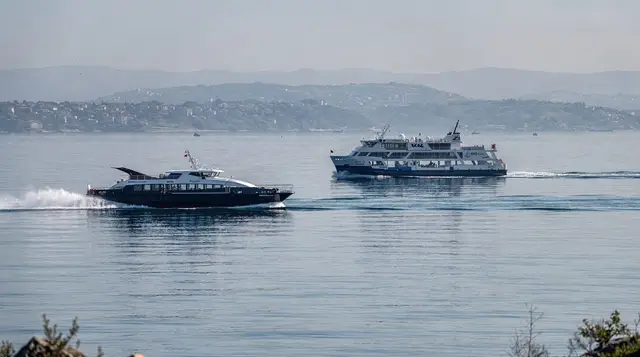
Vulcano is reached by ferry or hydrofoil from Milazzo on the Sicilian mainland, or as a short hop from Lipari and other Aeolian Islands. As with the rest of the archipelago, hydrofoils are faster but more easily disrupted by rough seas than slower car ferries — see Ferries and hydrofoils around Sicily for how sea conditions affect scheduling, and build in flexibility if Vulcano is one stop in a wider island-hopping route (see Island hopping around Sicily).
What to pack
Closed shoes for the crater path, a hat and sun protection given the exposed walk, swimwear and a change of clothes for the mud pools and beach, and more water than a short island visit might otherwise suggest. A plastic bag for mud-stained swimwear on the return journey is a small but useful addition few first-time visitors think of in advance.
The geology behind the smell and the mud
Vulcano’s sulphur smell and mud pools both come from the same underlying cause: fumaroles, vents where volcanic gas escapes from beneath the surface, releasing sulphur dioxide and other compounds that produce the island’s distinctive odour. Where these gases interact with groundwater and clay near the surface, they create the naturally heated, mineral-rich mud that draws visitors to the pools near the port.
This is a genuinely different volcanic feature from Etna’s lava flows or Stromboli’s explosive bursts — Vulcano’s activity today is expressed mainly through gas and heat rather than visible eruption, classified by volcanologists as being in a state of continuing fumarolic activity rather than frequent eruption. It is worth understanding this distinction so you know what to expect: Vulcano rewards visitors more for its geothermal features than for any dramatic eruptive spectacle.
A short history of the name itself
Vulcano gave its name to the very word “volcano” in most European languages, tracing back to the Roman belief that the island was the forge of Vulcan, god of fire — a reasonable association given the visible smoke, heat and sulphur that ancient sailors would have observed passing the island. This piece of etymology is more than trivia: it underlines how long humans have been observing and naming this specific volcanic feature, long before organised tourism or scientific monitoring existed.
How long the crater walk actually takes, in more detail
Most visitors complete the ascent to the Gran Cratere della Fossa rim in around 45 minutes to an hour, depending on fitness and how many stops you take for photos along the switchback path. The full loop around the accessible section of the crater rim adds further time, and the descent is generally quicker than the climb, given the looser surface. Altogether, budget one and a half to two hours for the round trip including some time at the rim itself, longer if you linger to take in the views across to Lipari and the other islands on a clear day.
Safety notes specific to the crater walk
Beyond the general advice about footwear and water, a few Vulcano-specific points are worth knowing. Some sections near active fumaroles have ground temperatures genuinely hot enough to be uncomfortable or risky if you step off the marked path, and gas concentrations near vents can occasionally be strong enough to cause dizziness in sensitive individuals — a good reason not to linger directly downwind of a vent even if curiosity pulls you closer. Marked path boundaries exist for exactly these reasons rather than as an arbitrary restriction, and ignoring them is a common source of minor injuries and discomfort among visitors who wander off the designated route for a closer photo.
Visiting the mud pools: practical logistics
The mud pools sit a short walk from the main port, easily combined with a beach stop given their proximity to the sea. Bring old swimwear you do not mind staining, since the mineral-rich mud can discolour fabric permanently, and expect the smell to linger on skin and hair through a normal shower — some visitors report needing a couple of thorough washes before the sulphur smell fully fades. Changing facilities and rinse points exist near the pools, though they are basic rather than resort- standard, consistent with the rest of Vulcano’s understated visitor infrastructure.
Vulcano’s other beaches beyond Sabbie Nere
While Spiaggia Sabbie Nere near the port is the best-known beach, quieter black-sand coves exist elsewhere around the island for visitors willing to walk or drive a short distance further, generally with far fewer people than the main beach in peak season. These do not have the same facilities as the main beach, so bring your own water, shade and supplies if you head to one of the less developed stretches of coast.
Comparing Vulcano to Sicily’s other volcanic destinations
Set against Etna and Stromboli, Vulcano offers the gentlest, most accessible volcanic experience of the three — no cable car or 4x4 required, no late-night guided trek, just a moderate walk and a genuinely unusual mud-and-sulphur experience that most fitness levels can manage. It lacks Etna’s scale and Stromboli’s dramatic nighttime eruptions, but compensates with an experience unlike either: a hands-on, slightly bizarre encounter with active geology rather than a distant view of one.
See Mount Etna: the complete visitor guide and Stromboli: climbing and watching the eruptions for how the three compare directly if you are deciding which volcanic destinations to prioritise on a Sicily trip that cannot fit in all three.
Vulcano with children
Families should approach Vulcano’s two main activities differently. The crater walk is manageable for older children capable of a sustained uphill walk on loose ground, but the exposed, sulphur-scented path and lack of shade make it a harder sell for younger children than a beach day would be. The mud pools, on the other hand, are often a hit with children specifically because of the novelty and slight silliness of the experience — expect giggling as much as complaining about the smell. A sensible family day combines a shorter version of the crater walk, or skips it altogether for younger children, with the mud pools and a beach stop, rather than trying to fit in the full round trip to the crater rim on top of everything else.
Vulcano as a day trip versus staying overnight
Most visitors treat Vulcano as a day trip from Lipari or Milazzo rather than an overnight stay, and this works well given how compact the island’s main attractions are — the crater, the mud pools and the main beach can realistically be covered in a single day without feeling rushed. Staying overnight suits travellers who want a slower pace, an early start on the crater walk before the day’s heat builds, or simply enjoy the quieter atmosphere once day-trippers have left on the afternoon boats. Accommodation options are more limited than on larger islands like Lipari, so book ahead if an overnight stay is part of your plan, particularly in peak summer.
What to eat on Vulcano
Dining options cluster near the port, with a handful of restaurants serving typical Aeolian seafood and Sicilian dishes rather than anything specifically unique to Vulcano itself. Given the island’s small size and modest tourist infrastructure compared with Lipari, do not expect an extensive restaurant scene — a straightforward seafood lunch near the port, timed around your crater walk and beach stop, is the realistic and generally satisfying default rather than an elaborate dining itinerary.
Best time of year to visit Vulcano
Summer offers the most reliable ferry schedules and the warmest sea for a post-crater-walk swim, but also the hottest, most exposed conditions on the crater path itself and the busiest mud pools. Spring and autumn bring a more comfortable temperature for the uphill walk, thinner crowds at the mud pools, and generally still-favourable sea conditions for the crossing from Lipari or Milazzo. Winter sees the fewest visitors and the coolest, most comfortable crater walk conditions, though ferry schedules thin out and rough seas can disrupt crossings more frequently. For most visitors balancing comfort and crowd levels, late spring or early autumn represents the best trade-off specifically for Vulcano’s outdoor activities.
Common mistakes visitors make on Vulcano
The most frequent misstep is underestimating the smell before arriving — some visitors are genuinely taken aback by how pervasive the sulphur odour is near the port and mud pools, to the point of cutting their visit short. Setting expectations in advance, as this guide aims to do, avoids that surprise. The second common mistake is wearing good clothing or expensive swimwear into the mud pools, not realising the mineral mud can permanently stain fabric — bring old items specifically for this purpose. The third is skipping sun protection because the walk feels cool compared with the coastal heat; the exposed crater path has little shade and stronger sun exposure than the temperature alone suggests.
Vulcano within a wider Aeolian itinerary
Most visitors see Vulcano as one stop in a broader Aeolian Islands trip rather than a stand-alone destination, often paired with Lipari as a base given the short crossing between the two. See The Aeolian Islands: choosing between seven for how Vulcano compares with the archipelago’s other islands, and Island hopping around Sicily for practical guidance on sequencing multiple islands, including Vulcano, without a single delayed ferry derailing the wider plan.
Who Vulcano suits, and who might skip it
Vulcano suits curious travellers who want a hands-on, slightly unusual geological experience without the physical demands of Etna or Stromboli, and who do not mind a strong smell as part of the deal. It is a poor fit for anyone with a sensitive nose or respiratory sensitivity to sulphur odours, who may find the mud pools genuinely unpleasant rather than novel. It also suits travellers with limited time in the Aeolian Islands who want the most efficient single-day combination of a crater walk, a unique mud experience and a beach — packed into a smaller island than Lipari, with less to see overall but less time required to see it properly.
The bottom line
Vulcano rewards visitors willing to tolerate a strong smell for a genuinely distinctive day: a proper volcanic crater walk, an unusual mud bath experience, and black-sand beaches unlike anything on the Sicilian mainland. Time the crater hike for the morning, plan around ferry schedules that can shift with the sea, and go in expecting the sulphur smell as part of the experience rather than a flaw in it.
Boat trips and island tours on GetYourGuide
Verified deep-linked GetYourGuide tours. Book through these links and we earn a small commission at no cost to you.
Photo: our own image of the location, not the operator’s product photo.