Ustica, Sicily's first marine reserve
What is Ustica known for?
Diving. Ustica became Italy's first marine protected area in 1986, and its clear water, healthy reef and range of dive sites make it one of the better diving destinations in Sicily, reachable from Palermo by a single direct hydrofoil route.
A single island, and the quietest of Sicily’s archipelagos
Ustica is a small volcanic island roughly 60 kilometres north of Palermo, and unlike every other island group covered on this site, it’s a single island rather than a cluster to choose between. Its name is thought to derive from the Latin “ustum,” meaning burnt, a reference to the dark volcanic rock that makes up much of its coastline, and the island’s compact size means most of it can genuinely be seen on foot or by scooter within a day or two, without the multi-island planning that the Aeolian, Egadi and Pelagie archipelagos all demand.
That simplicity is part of its appeal: no decision-making about which of several islands to base on, no thin inter-island ferry schedule to plan around, just one direct route from Palermo and one island to explore once there. Ustica is also, by a wide margin, the least commercially developed of Sicily’s inhabited islands covered in this category, with a fraction of the visitor numbers the Aeolian Islands see in peak summer, and it has built its modest tourism economy almost entirely around one thing: diving. That focus gives it a coherence the busier, more varied islands sometimes lack — nobody arrives on Ustica confused about what the island is actually for.
Italy’s first marine reserve, and still one of its best
In 1986, the waters around Ustica became Italy’s first officially protected marine area, restricting fishing and certain boat activity within defined zones around the island. Nearly four decades on, the effect is visible in the water itself: healthy reef structure, a wide variety of marine life, and consistently good visibility that compares favourably with the unprotected coast along much of mainland Sicily.
The reserve is divided into zones with different levels of protection, from areas open to swimming and light boat traffic to stricter no-take zones reserved for diving and research, and this zoning is part of why Ustica has retained its underwater health better than many more heavily trafficked Mediterranean dive spots. The wider picture of where else in Sicily to dive and snorkel, including the Egadi Islands’ comparable marine reserve, is in snorkelling and diving in Sicily.
Getting there: a single, direct route from Palermo
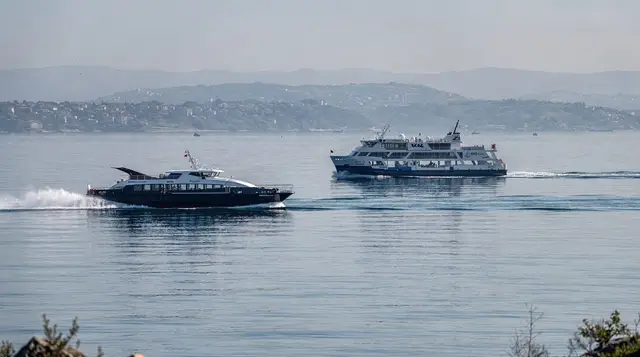
Palermo is the only mainland port serving Ustica, which simplifies planning considerably compared with the multi-port choices facing visitors to the Aeolian or Egadi Islands. The hydrofoil crossing takes just over an hour; the slower ferry (traghetto) takes closer to two and a half hours but costs less and carries vehicles, though a car is rarely necessary on an island this size. Booking an Ustica ferry ticket from Palermo in advance is worth doing in July and August, when the limited daily sailings can fill up, though outside peak season a same-day ticket is usually available without issue.
As on every other island route in Sicily, sailings can be suspended on short notice in rough weather, though Ustica’s relatively short crossing distance from Palermo means disruptions here are typically resolved within the same day rather than stretching into a multi-day delay, unlike the longer crossings to Pantelleria or Lampedusa.
Diving: the reason most visitors come
Ustica’s dive sites range from shallow, easy reef dives suited to beginners and first-time trial divers to deeper wall dives and a scattering of small underwater caves for certified, experienced divers. The island has a genuinely high concentration of dive centres relative to its small resident population, reflecting how central diving is to the local economy, and a RIB boat tour of the island with cave visits and swimming stops is a good option for visitors who want to see the coastline and its caves from the water without necessarily diving.
Anyone specifically planning a dive trip should book with a local dive centre directly for certified diving, since guided small-boat tours generally cover snorkelling and sightseeing rather than scuba instruction itself.
What non-divers actually do on Ustica
Diving dominates Ustica’s reputation, but it isn’t the only reason to visit. A coastal path circles much of the island along the rim of its old volcanic crater, offering sea views without requiring serious hiking fitness, and passes several small archaeological sites, including Bronze Age settlement remains near the main village.
Swimming from rocks and small coves is straightforward without a boat at all, and a boat tour with drinks and snorkelling stops covers the coastline for anyone who prefers a guided outing over independent exploring. Ustica’s small main village has a handful of good, unpretentious seafood restaurants, and the overall pace is markedly slower and quieter than Lipari or Favignana even in August, which is exactly the appeal for visitors deliberately seeking a lower-key island experience.
Diving sites worth knowing by name
Ustica’s marine reserve is divided into three zones with different levels of protection, and the diving experience varies noticeably depending on which zone a given dive falls within. Zone A, the strictest, permits only research and authorised diving with no fishing or unrestricted boat access at all; this is where the healthiest, least disturbed reef structure is found. Zone B allows regulated diving and swimming with tighter boat traffic controls than the open sea outside the reserve.
Zone C is the least restrictive, permitting swimming, light boat traffic and some fishing activity. Well-known named dive sites include the Grotta dei Gamberi (Cave of the Shrimps), popular with both beginners and experienced divers for its accessible depth and abundant marine life, and Scoglio del Medico, a small offshore rock formation known for wall diving and drop-offs favoured by more experienced divers. A local dive centre will match a diver’s certification level to the appropriate zone and site rather than defaulting to the same route for everyone.
Ustica’s history and archaeology
Beyond diving, Ustica has a genuinely deep and often overlooked history. The island shows evidence of Bronze Age settlement, with remains near the main village dating back several thousand years, predating the Greek and Phoenician colonisation that shaped much of mainland Sicily’s ancient history covered in Greek Sicily explained.
Ustica’s more recent history includes periods of Bourbon-era penal colony use, when the island served as a place of exile, a history still visible in some of the older buildings near the port. This layered past, combined with the island’s marine reserve status, gives Ustica a cultural depth that its small size and quiet pace don’t immediately suggest to a first-time visitor arriving purely for the diving.
Getting around the island
Ustica is small enough that its main village and most points of interest are walkable, and for anyone wanting to cover the coastal path around the old crater rim or reach a specific dive centre further from the port, a rented scooter is the standard option, available at several small rental points near the harbour.
A car is rarely necessary and, given the island’s narrow lanes and limited parking, actively inconvenient for most visitors; walking and scootering cover the island comfortably within a day or two. This is a smaller-scale version of the same “you probably don’t need a car” logic that applies across most of Sicily’s smaller islands, discussed at a system level in island hopping around Sicily.
Best time of year to visit
June through September offers the warmest water and the most reliable dive centre schedules, with July and August bringing the archipelago’s characteristic peak-season crowds, noticeably smaller in scale here than on Lipari or Favignana but still worth planning around for accommodation booking. May and October are a reasonable compromise for visitors who prioritise a quieter island atmosphere over the absolute warmest water, and diving remains entirely possible with a wetsuit outside the core summer months. Winter sees a much-reduced ferry schedule and most dive centres closed, making it a poor choice for a first Ustica visit regardless of how quiet the island becomes.
Day trip or overnight stay
A day trip from Palermo is entirely realistic for sightseeing, a swim and a short boat tour, and it’s the most common way visitors experience Ustica given how close it sits to Sicily’s biggest city and its international airport. Divers, and anyone who wants time to properly slow down rather than watch the clock for a return hydrofoil, generally get more out of at least one night on the island, since Ustica’s accommodation, while limited compared with the bigger islands, is inexpensive relative to the Aeolian Islands in peak season and rarely fully booked outside the busiest August weeks.
How Ustica compares to Sicily’s other islands
Ustica is closer to Palermo than any other island covered on this site is to its respective mainland port, and it’s also the calmest and least developed for tourism, without Lipari’s restaurant scene, Favignana’s cycling terrain, or Pantelleria’s wine culture. What it trades away in variety and infrastructure, it makes up for in ease: no multi-island ferry planning, no thin schedule to the outer reaches of an archipelago, just one short, frequent hydrofoil route and a single island to get to know.
What it offers instead is genuinely excellent diving in a protected reserve and a level of quiet that’s increasingly hard to find on Sicily’s more visited islands in summer. Travellers deciding between a first island trip to Ustica versus the Aeolian or Egadi Islands should weigh diving-and-quiet against variety-and-infrastructure; the fuller comparison across all five archipelagos is in island hopping around Sicily.
Where to eat on Ustica
Ustica’s small size means a short, honest restaurant list rather than an overwhelming choice, and nearly every kitchen on the island leans on the same fresh, simply prepared seafood that its fishing economy has always depended on. Lentils, grown locally in the island’s volcanic soil and distinctive enough to have their own modest local reputation, turn up in a handful of traditional dishes alongside the seafood, worth trying at least once as a specifically Ustica-grown ingredient rather than something shipped in from the mainland.
Restaurants cluster around the small harbour and main village, which means dinner is rarely more than a short walk from wherever you’re staying, and reservations are worth making in July and August, when the island’s limited seating fills up despite its generally quiet reputation.
Combining Ustica with a Palermo-based stay
Because Ustica connects so directly and quickly to Palermo, it fits naturally into a Palermo-based Sicily itinerary without requiring a separate travel day the way Pantelleria or Lampedusa do.
Visitors spending several days in Palermo covering the city’s markets, cathedral and catacombs can slot in a single Ustica day trip without reshuffling flights or accommodation, making it one of the lowest-friction ways to add an island component to an otherwise mainland-focused trip. This also makes Ustica a sensible choice for travellers uncertain whether they even want to include an island in their itinerary at all, since the cost of trying it, in both time and money, is lower here than for any other archipelago covered on this site.
A sample day trip from Palermo
A well-paced Ustica day trip from Palermo starts with the morning hydrofoil, arriving with most of the day still ahead. A short walk or scooter ride to a swimming spot fills the late morning, followed by lunch at one of the harbour-area restaurants on fresh, local seafood. The afternoon suits either a guided boat tour covering the coastline’s caves, or, for certified divers who booked ahead, a single afternoon dive at one of the more accessible sites.
Leaving enough time to catch a late-afternoon hydrofoil back to Palermo, rather than the very last sailing of the day, builds in a small buffer against the same weather-cancellation risk that applies to every ferry route in Sicily, discussed fully in ferries and hydrofoils around Sicily. Travellers who’d rather not watch the clock at all should simply book a night on the island instead, removing the return-ferry deadline entirely.
What it costs
A return hydrofoil ticket from Palermo runs a modest sum in the tens of euros, cheaper again on the traghetto. Diving costs vary by dive centre and certification level but are broadly in line with the rest of Sicily’s marine reserves, and a single trial dive for beginners typically costs less than a full guided dive package for certified divers covering multiple sites in a day. A full breakdown of boat tour and excursion pricing across the archipelago system is in what a Sicilian boat tour actually costs.
Frequently asked questions about Ustica
How do you get to Ustica?
By hydrofoil or ferry from Palermo, the only mainland port serving the island. The hydrofoil takes just over an hour; the slower ferry takes about two and a half hours.
Is Ustica good for non-divers?
Yes, though diving is the island’s main draw. Non-divers can snorkel from several coves, walk the coastal path around the old volcanic crater rim, and enjoy a genuinely quiet, low-key island atmosphere with far fewer visitors than the Aeolian or Egadi Islands.
Does Ustica have good hiking beyond the crater rim path?
The crater rim coastal path is the main walking route and is suitable for most fitness levels, offering sea views without technical difficulty. It isn’t a hiking destination on the scale of Pantelleria’s Montagna Grande, but it’s a genuinely pleasant way to see most of the island on foot.
Is Ustica a day trip or does it need an overnight stay?
Both work. A day trip from Palermo is realistic for sightseeing and a boat tour, but divers and anyone wanting a slower pace generally benefit from at least one night on the island.
When did Ustica become a marine reserve?
1986, making it Italy’s first marine protected area. The designation restricts fishing and certain boat activity in defined zones, which has kept the underwater environment noticeably healthier than much of the unprotected Sicilian coast.
Can the ferry to Ustica be cancelled?
Yes, in the same way as any other Sicilian island crossing. Strong wind can suspend hydrofoil sailings from Palermo with limited notice, though the route’s short distance means disruptions are usually resolved within the same day.
Is Ustica expensive?
No, it’s among the more affordable island options in Sicily, both for accommodation and diving, particularly compared with the Aeolian Islands in peak summer.
What is there to do on Ustica besides diving?
The coastal path around the old crater rim, small Bronze Age archaeological remains near the village, swimming from rocks and coves, and a quiet, unhurried village atmosphere with good, simple seafood restaurants.
Is Ustica suitable for a family trip?
Yes, particularly for families with older children interested in snorkelling or a first trial dive. The island’s small size, gentle coastal path and lack of crowds make it an easy, low-stress add-on to a Palermo-based family stay.
Boat trips and island tours on GetYourGuide
Verified deep-linked GetYourGuide tours. Book through these links and we earn a small commission at no cost to you.
Photo: our own image of the location, not the operator’s product photo.