The island that makes the archipelago workable
Lipari is both the largest of the Aeolian Islands and the name of its main town, and for most visitors it does double duty as the trip’s actual base. It has more hotels, guesthouses and restaurants than the other six islands combined, and — just as importantly — the widest range of ferry and hydrofoil connections onward to Vulcano, Salina, Panarea and Stromboli. If you are trying to see more than one Aeolian island without spending half your trip on transfers, staying here rather than hopping between beds every night is usually the more efficient choice.
That said, Lipari is a genuine destination in its own right, not just a transit hub with a nice name. The old town has real depth, the coastline has some of the archipelago’s better swimming spots, and the pace — outside the peak weeks of August — is unhurried in a way that repays a full day or two rather than a rushed overnight stopover. It is also the only Aeolian island large enough to absorb a wet or windy day without running out of things to do, which matters more than it sounds once you’ve spent a morning watching a hydrofoil sailing get cancelled on the noticeboard at the port.
A shortcut through Lipari’s history
Lipari’s obsidian deposits made it a genuine prehistoric trading hub, long before anyone thought of it as a holiday island — glassy volcanic rock quarried here has turned up in archaeological sites across the central Mediterranean, evidence of a trade network that predates Greek colonisation by thousands of years. The Greeks arrived and fortified the high ground above the harbour that is still the island’s defining landmark; Romans, Byzantines, Arabs and Normans each left a layer on top of it, and the citadel above the town has been rebuilt and refortified enough times that its walls now read like a cross-section of the island’s whole history rather than a single period piece.
Pumice quarrying, a much later industry built on the same volcanic geology, shaped the island’s economy well into the twentieth century and is the reason the beach at Spiaggia Bianca is the colour it is. None of this is essential background for a beach holiday, but it explains why Lipari’s archaeological museum — inside the citadel walls — punches well above its weight for an island this size, and why a guided walk through the old town tends to land better than wandering it cold.
The old town and the citadel
Lipari town sits around a natural harbour split into two ports, and above it rises the Castello, a fortified citadel that has been the island’s high point, in both senses, since Greek times. Inside the walls: a Norman-founded cathedral, the archaeological museum mentioned above, and views back down over both harbours that are worth the climb alone, particularly in the low light of early evening when the hydrofoils are coming back in for the night.
Below the citadel, the town’s narrow streets carry the usual mix of ceramics shops, granita bars and restaurants serving the local specialities — caper-heavy pasta, swordfish, and the sweet Malvasia wine that the archipelago is known for, most of it actually made on neighbouring Salina rather than Lipari itself. A guided walking tour of Lipari’s old town is a sensible way to get oriented on arrival, particularly if you are also using the town as a jumping-off point for the other islands and want the historical context before moving on rather than trying to absorb it on a rushed final morning.
Beaches, obsidian and the coastline
Lipari’s coast alternates between black volcanic sand, white pumice-streaked cliffs and a scatter of small coves reachable on foot, by local bus, or by boat. Spiaggia Bianca, on the island’s northeast side, gets its pale colour from centuries of pumice quarrying nearby — a reminder that this island’s economy was built on volcanic rock long before tourism arrived, and that the water off it is a strange, milky turquoise rather than the classic Mediterranean blue. Valle Muria, on the southwest coast, is harder to reach by road and correspondingly quieter, generally reached by a combination of a short drive or bus and a walk down to the shore, or more simply by boat.
A panorama and snorkelling boat tour covers more of the coastline in a few hours than a day of walking would manage, taking in coves that are effectively inaccessible except from the water. A guided scuba diving experience is worth considering if the volcanic seabed and visibility around the islands are part of the draw — this stretch of the Tyrrhenian is noticeably clearer than much of Sicily’s more built-up coast, and the underwater topography around Lipari and neighbouring Vulcano has genuine variety, from lava reefs to old shipwreck sites.
Day trips from Lipari
This is really the point of basing yourself here. Vulcano is close enough that some hydrofoils reach it in well under an hour from Lipari, making its crater trail and mud pools an easy half-day or full-day trip — see the Vulcano page for what’s currently open, since access to the crater has been restricted at times depending on gas readings. Salina, greener and quieter, is a similarly short hop and a good full-day escape from Lipari’s relative bustle, with Malvasia vineyards and the Pollara crater village used in Il Postino as the main draws.
Panarea and Stromboli are further out but still manageable as day trips or evening excursions, particularly Stromboli’s after-dark boat trips to watch the Sciara del Fuoco, which return to Lipari (or Vulcano) rather than requiring an overnight stay on Stromboli itself.
A boat tour to Vulcano with a disembarkation stop is a straightforward way to do the Vulcano leg without juggling separate hydrofoil tickets, and a combined boat tour covering Vulcano, Panarea and Stromboli from a single Lipari-based day is worth comparing for anyone short on time. For the fuller comparison of routes and operators, see boat tours in Sicily compared and island hopping around Sicily.
Ferries: the one thing to plan around
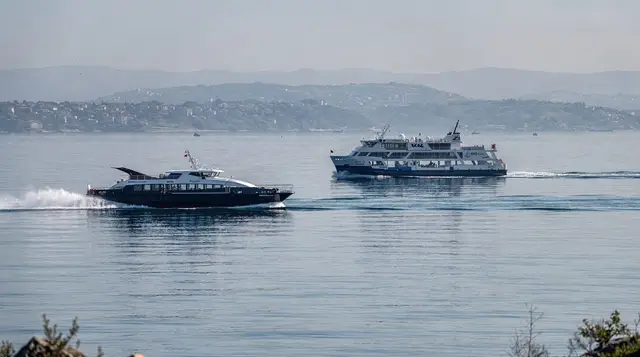
Every day trip from Lipari depends on a ferry or hydrofoil running, and both are cancelled when the sea is too rough — a real possibility at any time of year, though more frequent from autumn through early spring. This is not a bureaucratic caution; a genuinely stormy day in the Tyrrhenian will ground sailings across the whole archipelago, sometimes for more than a day at a stretch, and there is no operator who can override that judgement for a paying customer.
The practical implication for anyone based here: don’t schedule your only day trip to Stromboli, or your only mud-bath visit to Vulcano, for the day before you need to be back on the Sicilian mainland for a flight. Leave a spare day if the schedule allows it, and check the current sailing status each morning rather than assuming yesterday’s timetable will hold — noticeboards at the port and the operators’ own information points are more reliable than a printed timetable picked up on arrival. Full detail on the wider ferry network is in the ferries and hydrofoils guide, and on getting to the archipelago in the first place in the Aeolian Islands guide.
Getting to Lipari
Milazzo, on Sicily’s north coast, is the main departure port, with hydrofoils and slower ferries running throughout the year and at higher frequency in summer. Messina and Palermo both run seasonal connections, and in summer there are direct sailings from Naples for anyone approaching from the Italian mainland rather than flying into a Sicilian airport. Bringing a rental car over is rarely worth the extra cost and time — Lipari town and its immediate surroundings are walkable, and local buses and rented scooters cover the rest of the island adequately for the beaches and viewpoints further afield.
Where to eat, and what to expect
Lipari’s restaurant scene leans heavily on the day’s catch — swordfish, tuna and smaller fish grilled simply, plus the caper-laced pasta dishes that turn up on menus across the archipelago (Salina’s capers, in particular, have a strong local reputation). Prices sit noticeably above the Sicilian mainland average, which is standard for island logistics rather than a sign of being overcharged, though it is worth asking locals or your accommodation for a current recommendation rather than defaulting to whichever restaurant has the most aggressive tout working the harbourfront in high season — a pattern common to most Mediterranean ports.
Weather, seasons and when to skip it
July and August bring the fullest ferry timetables but also the fullest hotels, the highest prices and a harbour genuinely crowded with day-trip boats. Late May, June and September offer a reasonable trade: connections are frequent enough to build a flexible itinerary, the sea is warm enough to swim, and accommodation is easier to find at short notice. Winter sees Lipari at its quietest, with many restaurants and some hotels closed for the season and ferry frequency cut back sharply — workable for a determined off-season traveller who wants the island to themselves, but not a trip to plan around day tours to the other islands, several of which effectively pause their tourist offering until spring.
Common mistakes worth avoiding
The most frequent misstep is treating Lipari purely as a stopover and under-booking time in the town itself, only to realise on the last morning that the citadel and museum deserved more than the hour left for them. The second is assuming ferry schedules hold steady through the season — a July timetable and an October one for the same route can look completely different, and travellers who print one schedule and rely on it for a whole trip get caught out. The third is skipping sun protection on boat trips: reflected glare off the water around these volcanic islands is stronger than it looks, even on a cloudy day.
Lipari compared to the other islands
Against Vulcano, Lipari wins on comfort and range of restaurants but loses on novelty — nobody comes home talking about Lipari’s smell the way they do about Vulcano’s sulfur. Against Salina, Lipari is busier, better connected and noticeably less green; Salina’s slower pace and vineyards appeal more to travellers who have already done a first Aeolian trip and want less foot traffic on their second. Against Panarea, Lipari is unmistakably more affordable and less see-and-be-seen, which some travellers count as a point in its favour and others as a reason to add on a day in Panarea specifically for the contrast.
The practical upshot: Lipari is rarely anyone’s favourite single Aeolian island by the end of a trip, and that is exactly why it works so well as the base for seeing all of them. It does everything competently — sleeping, eating, connecting onward — without demanding the compromises that come with basing yourself somewhere smaller and prettier but harder to leave.
How long to stay
A single overnight is enough to see the old town and citadel properly but leaves no time for day trips. Two to three nights is the realistic minimum if Vulcano and one further island (Salina or Panarea) are on the list, and four or more nights allows a slower pace with a spare day held back for whatever the sea decides to cancel. If Lipari is one stop within a longer Sicily trip rather than a dedicated island holiday, Sicily and the Aeolian Islands in 10 days shows how it fits alongside the mainland, and how many days you need in Sicily covers the broader trip-length question.
Frequently asked questions about Lipari
Is Lipari the best base for visiting all the Aeolian Islands?
For most people, yes — it has the widest choice of accommodation and the most frequent onward connections of any island in the archipelago.
How far is Vulcano from Lipari?
Close enough that many hydrofoils cover the crossing in under an hour, which is why the two are so often visited together on the same day.
Can I see Stromboli’s eruptions from Lipari without staying overnight there?
Yes — evening boat trips out to view the Sciara del Fuoco typically depart from and return to Lipari or Vulcano the same night.
Is Lipari walkable, or do I need transport?
The old town and citadel are entirely walkable. For beaches further round the coast, a local bus or rented scooter is more practical than walking.
What is Lipari town’s obsidian and pumice history about?
The island was a major source of obsidian in prehistory and later of pumice, quarried commercially into the twentieth century — both industries are documented in the archaeological museum inside the citadel.
Does the ferry schedule change a lot between seasons?
Considerably. Summer sees far more sailings per day than winter, when some routes drop to a handful of departures a week — check current timetables rather than relying on a summer schedule out of season.
Is Lipari expensive compared to mainland Sicily?
Generally yes, particularly for food and accommodation in July and August — island logistics push costs up across the board, not just at the more obviously touristy spots.
Can I do Lipari without a car?
Comfortably. A rented scooter or the local bus network covers what walking cannot, and a car adds cost and hassle for very little practical benefit on an island this size.
Is Lipari worth visiting if I only have one day in the Aeolian Islands?
It’s a reasonable single-island choice, since the old town, citadel and a swim at one of the nearby coves fit into a day without feeling rushed — though you would see none of the other six islands on that timeframe.
When do restaurants and hotels close for the off-season on Lipari?
Many smaller, family-run places scale back or close between late autumn and spring, reopening as the season builds from around Easter onward — check individual opening status directly if travelling outside June to September.