The green island of the archipelago
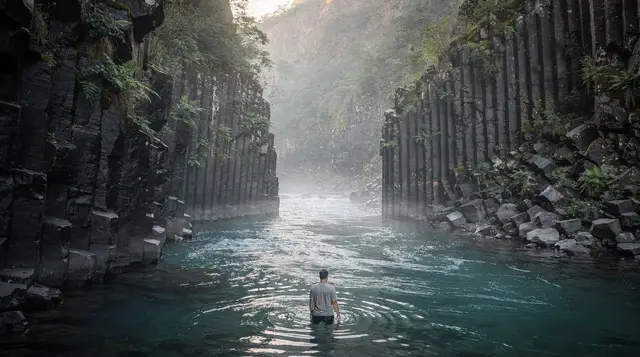
Salina is the second-largest of the Aeolian Islands, and the most visibly different from its neighbours. Where Lipari, Vulcano and Stromboli read as stark, volcanic and largely bare, Salina is genuinely green — a product of its two extinct volcanic cones, Monte dei Porri and Monte Fossa delle Felci, which trap enough rainfall to support vineyards, caper bushes and pockets of woodland that feel closer to a Mediterranean hillside than a volcanic outcrop.
It is also, not coincidentally, the source of the archipelago’s best-known culinary exports: Malvasia delle Lipari, a sweet amber dessert wine, and capers grown on terraces across the island’s slopes.
Salina has grown steadily in reputation over recent years as travellers who have already done a first Aeolian trip — usually based on Lipari, usually including Vulcano and Stromboli — come back specifically for Salina’s slower pace. It rarely works as a single-island introduction to the archipelago for a first-time visitor with limited days, but as a second stop, or a deliberate change of tempo partway through a longer island trip, it is one of the most rewarding in the chain.
Pollara and Il Postino
The village of Pollara sits on the rim of a collapsed, sea-facing volcanic crater on Salina’s western side, and owes much of its modern recognition to Il Postino (1994), the Italian film shot largely in and around it. The crater’s open side, where the rim has eroded away to the sea, creates a natural amphitheatre with genuinely striking views, especially toward sunset, and the village itself has kept a low-key, largely residential character despite the film’s lasting popularity with visitors.
Unlike some film-location destinations, Pollara has not been remade into a themed attraction — it remains a small, quiet place that happens to have a dramatic backdrop, and is best visited with that expectation rather than one of a curated film-tourism experience.
Malvasia, capers and what to actually eat here
Malvasia delle Lipari carries a DOC designation and is made from grapes dried partially before pressing, concentrating their sugars into a sweet, amber wine traditionally served with almond biscuits or local pastries rather than as a table wine with a meal. Several producers on the island offer tastings, and pairing one with lunch at a vineyard-adjacent restaurant is a straightforward way to spend an unhurried afternoon. Capers, grown widely across Salina’s terraced slopes and traditionally preserved in salt rather than vinegar or brine, turn up throughout Sicilian and specifically Aeolian cooking, and Salina’s are widely regarded within the archipelago as some of the best.
Restaurants across the island lean, as everywhere in the Aeolians, on the day’s fish catch alongside these local specialities. Prices sit in line with the rest of the archipelago — above the Sicilian mainland average, a consequence of island logistics rather than deliberate overcharging; see Sicilian seafood for the wider regional picture and eating in Sicily for what to expect around hours and the coperto.
Hiking the extinct craters
Salina’s two main peaks, Monte Fossa delle Felci and Monte dei Porri, both extinct volcanic cones, offer genuine hiking rather than the more crater-focused walks found on Vulcano or Stromboli. Trails wind through woodland and past terraced vineyards before opening onto ridge views across the rest of the archipelago — a noticeably different hiking experience from the bare volcanic slopes elsewhere in the chain, and one of the better reasons to give Salina more than a single day. Trails are generally unguided and well enough marked for confident independent hikers, though early starts are worth it in summer to avoid the worst of the midday heat on the more exposed upper sections.
Beaches and the coastline
Salina’s beaches are a mixed bag by design rather than accident — mostly small, pebbly coves rather than the long sandy stretches found on mainland Sicily, with Pollara’s crater-backed cove among the most photographed despite being reached by a fairly steep path down from the village. Rinella and Santa Marina, the island’s two main ports, both have swimmable stretches close to the harbour for anyone who wants a straightforward swim without a hike to reach it.
Santa Marina and Rinella: the two ports compared
Salina has two working ports, and each gives a slightly different first impression of the island. Santa Marina Salina, on the eastern side, is the busier of the two, with more restaurants, a small waterfront promenade and the better range of accommodation within easy walking distance of the harbour — the sensible choice for a first-time visitor without a rental scooter.
Rinella, on the southern coast, is smaller and quieter, with a more residential feel and a beach right by the port that makes it a reasonable base for travellers who specifically want less foot traffic even by Salina’s already relaxed standards. Ferries and hydrofoils typically call at both, though schedules and frequency differ, so it’s worth checking which port a given crossing actually uses before booking accommodation at the other end of the island.
A brief economic history worth knowing
Salina’s economy was built for generations on the same three pillars still visible today: fishing, wine and capers. The island suffered a serious setback in the late nineteenth century when phylloxera, the vine disease that devastated much of Europe’s wine industry, wiped out large parts of Salina’s vineyards, triggering a wave of emigration — many Salinari left for Australia specifically, and descendant communities there still maintain ties to the island.
Malvasia production recovered over the twentieth century and has since become one of the archipelago’s most recognisable exports, a rare case of a small Mediterranean island’s agricultural product achieving genuine international recognition on its own merits rather than through mass tourism. Capers followed a steadier path throughout, remaining a consistent smallholder crop across the island’s terraced slopes even through the vineyards’ decline.
Weather and when to avoid it
Salina’s greener terrain means it feels the summer heat differently from its more exposed volcanic neighbours — the vegetation offers real shade that Vulcano or Stromboli simply cannot, which is a point in its favour for anyone visiting in July or August specifically. That said, the hiking trails up Monte Fossa delle Felci and Monte dei Porri are still best tackled early in the day even in shoulder season, since the upper, more open sections lose the tree cover lower down. Winter sees a similar seasonal quiet to the rest of the archipelago, with reduced ferry frequency and many smaller restaurants and guesthouses closed until spring.
Getting to Salina, and how it fits into a wider trip
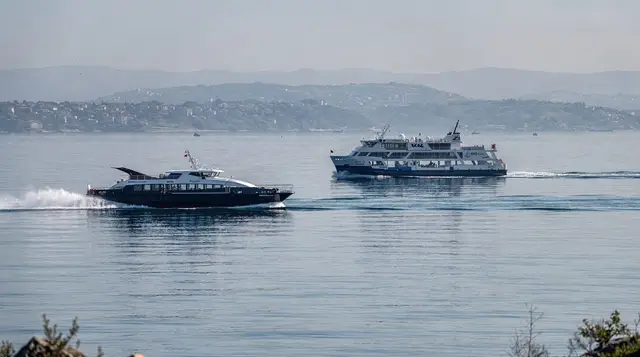
Salina is most commonly reached from Milazzo, on Sicily’s north coast, or as a short hop from Lipari, where most multi-island itineraries are based. A boat tour between Lipari and Salina is a straightforward way to cover the crossing and see more of the coastline than a scheduled hydrofoil alone would show, and a full-day sightseeing cruise from Lipari taking in Salina extends that into a longer combined day.
A boat tour of Salina and Lipari from Lipari is a similar small-group alternative worth comparing on schedule and stops. For travellers based further along Sicily’s north coast, a mini-cruise from Capo d’Orlando to Salina and Panarea combines both islands in a single excursion.
Full detail on the wider ferry and hydrofoil network is in the ferries and hydrofoils guide, and on comparing operators and routes generally in boat tours in Sicily compared.
The ferry rule applies here too
As on every other Aeolian island, sailings to and from Salina are cancelled when the sea is too rough, a real possibility at any time of year and more frequent outside the summer months. Anyone building a multi-island itinerary that includes Salina should treat the crossing the same way as any other in the archipelago: not guaranteed on a fixed schedule, and worth leaving slack around rather than booking a tight connection immediately before a flight home. The Aeolian Islands hub page covers this in more general terms across the whole chain.
Salina compared to Lipari and Panarea
Against Lipari, Salina is quieter, greener and generally cheaper, at the cost of fewer restaurants, less accommodation choice and fewer direct onward connections to the rest of the archipelago — better suited to travellers who have already done a first Aeolian trip, or who specifically want the slower pace over convenience. Against Panarea, Salina is markedly less fashionable and less expensive, without the yacht-harbour scene that defines Panarea’s summer months — a straightforward trade of glamour for value and quiet that most travellers find easy to decide between once they know their own priorities.
Visiting a vineyard properly
Several Malvasia producers on Salina welcome visitors for tastings, generally by prior arrangement rather than a casual walk-in, particularly outside peak summer months when smaller family operations may not have staff on hand for unscheduled visitors. A tasting typically pairs the wine with almond biscuits or another simple local pastry rather than a full meal, reflecting how Malvasia is traditionally drunk — as a dessert wine in its own right, not alongside a savoury course. Arranging a visit ahead through your accommodation or directly with a producer, rather than turning up unannounced, tends to produce a considerably better experience and is simply the more respectful way to approach a small family business.
Common mistakes worth avoiding
The most common misstep is treating Salina as a rushed half-day add-on to a Lipari-based itinerary, which is enough time to see Pollara and little else — the vineyards, the hiking trails and a proper Malvasia tasting all deserve more than a few hours squeezed between hydrofoil departures. The second is underestimating how much quieter Salina’s evening scene is compared with Lipari’s: travellers expecting a lively night out after dinner will find considerably less going on here, which is either a relief or a disappointment depending on what the rest of the trip has looked like.
How long to stay
A single day covers Pollara and one other stop reasonably well but does not allow for a proper hike or a relaxed wine tasting. Two to three nights is a more realistic minimum for travellers who want to combine the village, a hike up one of the extinct craters, and an unhurried vineyard lunch without feeling rushed between hydrofoil connections. For a wider view of how Salina fits into a longer Sicily and Aeolian itinerary, see Sicily and the Aeolian Islands in 10 days.
Frequently asked questions about Salina
Is Salina worth visiting if I’ve already done Lipari and Vulcano?
Yes, and it’s often more rewarding as a second Aeolian stop than a first — its slower pace and greener scenery contrast well with the busier islands most itineraries start on.
Is Pollara still recognisable from Il Postino?
Yes, the village and its crater-rim setting remain largely as they appeared in the film, without having been reshaped into a themed attraction.
What is Malvasia delle Lipari?
A sweet, amber dessert wine made from partially dried grapes grown mainly on Salina, traditionally served with almond biscuits rather than alongside a savoury meal.
Are Salina’s beaches sandy?
Mostly not — expect small pebbly coves rather than long sandy stretches, with Pollara’s cove among the most scenic despite the steep path down to reach it.
Can I hike on Salina without a guide?
Yes, the main trails up Monte Fossa delle Felci and Monte dei Porri are well marked and suitable for confident independent hikers, though an early start helps avoid the midday heat.
How do I get from Lipari to Salina?
By hydrofoil or a boat tour, both a short crossing — full options are covered on the ferries and hydrofoils guide.
Is Salina expensive compared to Lipari?
Generally somewhat cheaper for both accommodation and dining, though still noticeably above Sicilian mainland prices, as with the rest of the archipelago.
Is Salina suitable for a quiet, low-key island trip?
Very much so — it’s the archipelago’s clearest choice for travellers prioritising quiet scenery and slower days over nightlife or crowds.
Which port should I arrive at, Santa Marina or Rinella?
Santa Marina, if you want more restaurants and accommodation within walking distance; Rinella, if a quieter, smaller base matters more than convenience.
Why did so many people leave Salina in the past?
A phylloxera outbreak devastated the island’s vineyards in the late nineteenth century, triggering significant emigration, notably to Australia, before Malvasia production recovered over the following decades.
Does Salina get as hot as Vulcano or Stromboli in summer?
It feels somewhat cooler thanks to genuine shade from its vegetation, though the exposed upper hiking trails still get hot by midday and are best tackled early.