The smallest island with the biggest reputation
Panarea is the smallest of the inhabited Aeolian Islands, and disproportionately the most fashionable. Its narrow, largely car-free lanes, whitewashed cube houses and bougainvillea-draped courtyards have made it a magnet for a wealthier, more see-and-be-seen crowd since at least the 1970s, and in high summer the harbour genuinely fills with more private yachts than its modest size was ever built to accommodate. This reputation is real, and it shapes prices, crowds and the general atmosphere from June through August in a way that is worth knowing before arrival.
It is also, underneath the reputation, a genuinely pretty and walkable small island, and travellers who arrive expecting only a nightlife scene are often surprised by how much quieter, more scenic walking and swimming is available once you step a few minutes off the harbourfront. Outside the peak weeks, Panarea reverts to something closer to a quiet fishing village with an unusually polished finish.
Car-free lanes and where they lead
Panarea has no real roads in the conventional sense — its settlement is a network of narrow, whitewashed pedestrian lanes, and the small electric carts occasionally seen shuttling luggage are about as close as the island gets to motorised transport. This makes it one of the most pleasant Aeolian islands simply to wander without a plan: lanes wind past boutique shopfronts, small chapels and courtyard restaurants, opening periodically onto sea views that justify the island’s popularity independent of its social scene.
San Pietro, the main village, holds most of the accommodation, restaurants and boutiques, while smaller hamlets further round the island’s compact coastline offer a quieter version of the same lanes-and-courtyards character, generally reached on foot in well under an hour from the centre.
Basiluzzo and the boat-trip coastline
Just offshore, the uninhabited islet of Basiluzzo rises sharply from the sea — a striking, table-topped volcanic remnant that is one of the most photographed sights in this stretch of the archipelago, and a near-obligatory stop on any boat trip around Panarea’s coastline. The waters around Basiluzzo and Panarea’s own coves are notably clear, and a boat trip taking in both is a more rewarding way to spend a few hours than walking alone, particularly given how much of Panarea’s most scenic coastline is only properly visible from the water. Archaeological remains on Basiluzzo, dating back to Roman times, add a layer of interest beyond the scenery for anyone who wants it, though there is no organised visitor infrastructure on the islet itself.
How Panarea got its reputation
Panarea’s transformation from a modest fishing settlement into one of the Mediterranean’s more recognisable small-island hideaways happened gradually from the 1960s and 70s onward, as an increasingly international crowd — Italian industrialists, actors, and eventually a wider European jet set — discovered its combination of remoteness, scenery and discretion.
Unlike some destinations that were purpose-built for this kind of visitor, Panarea’s appeal grew organically around an existing fishing village, which is part of why the car-free lanes and whitewashed architecture still feel authentic rather than staged, even with a superyacht anchored a few hundred metres offshore in August. The prehistoric settlement remains found on the island, some of the oldest in the archipelago, are a reminder that people have found this small patch of volcanic rock worth living on for a very long time before anyone thought to sail a yacht here.
Where to eat, and what it costs
Panarea’s restaurants split fairly cleanly into two tiers: a handful of well-known, higher-end spots that lean into the island’s reputation with prices to match, and a wider spread of simpler, family-run trattorias serving the same fish-and-caper repertoire found across the archipelago at closer to Lipari-level prices.
Neither category is hard to find in San Pietro, the main village, and the honest advice is to pick based on budget and mood rather than assuming the more expensive option is automatically the better meal — see eating in Sicily: hours, coperto and tipping for the general etiquette, which applies here as much as on the mainland — much of Panarea’s higher-end dining trades as much on setting and reputation as on food that meaningfully outperforms its more modest neighbours.
Panarea compared to Salina
Both are quieter alternatives to a Lipari base, but the comparison mostly ends there. Salina is green, agricultural and unpretentious, built around wine, capers and hiking; Panarea is dry, compact and considerably more polished, built around scenery, boat trips and a social scene that peaks hard in summer. Travellers who want a genuinely restful, low-cost island escape tend to prefer Salina; those drawn to Panarea’s specific blend of glamour and Mediterranean prettiness get something Salina does not offer, at a price Salina does not charge. See the Salina page for the fuller picture of that alternative.
Panarea and Stromboli: a natural pairing
Because Panarea sits roughly between Lipari and Stromboli on the archipelago’s map, day trips very often combine the two — a stop on Panarea followed by an approach to Stromboli, either for a guided ascent or, more commonly given time constraints, an after-dark boat viewing of the Sciara del Fuoco. A Panarea and Stromboli tour from Lipari is the most straightforward version of this combined day, and a full-day relaxed Panarea and Stromboli tour from Lipari extends the pacing for travellers who want less rushing between stops.
For the after-dark version specifically, a Panarea and Stromboli night tour times the itinerary around the Sciara del Fuoco viewing. A day tour of Panarea and Stromboli is worth comparing on schedule and price, and for travellers based in Taormina on the Sicilian mainland rather than already in the archipelago, a dedicated day tour to Panarea and Stromboli from Taormina covers the longer transfer. Full context on Stromboli and its own access rules is on its dedicated page, and broader route comparisons are in boat tours in Sicily compared.
Getting to Panarea, and the ferry rule
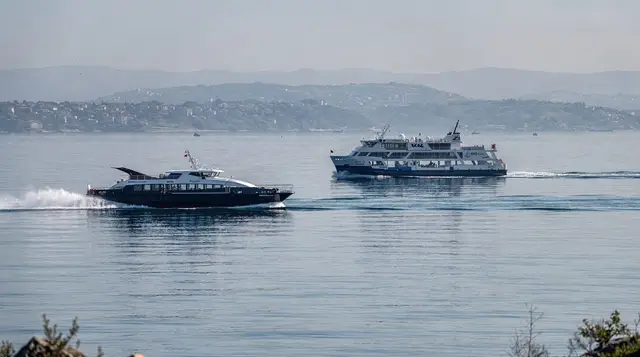
Panarea is reached by hydrofoil from Milazzo, from Lipari, or as part of combined routes serving several islands on the same run. As with every other island in the chain, sailings are cancelled when sea conditions are too rough, a real possibility at any time of year and more frequent from autumn through early spring.
Travellers building a day trip around Panarea should apply the same caution as elsewhere in the archipelago: don’t schedule it for the final day before an onward flight, and check current sailing status rather than relying on a fixed printed timetable. The Aeolian Islands hub page and the ferries and hydrofoils guide both cover this in more depth.
Prices, and being honest about them
Panarea’s reputation for expense is not exaggerated. Restaurants, accommodation and even a simple drink on the harbourfront run noticeably above prices found on Lipari or Salina, let alone the Sicilian mainland, particularly through the peak yacht season of July and August. This is not a reason to skip the island — a day trip absorbs relatively little of that cost compared with an overnight stay — but anyone planning to sleep here rather than just visit for the day should budget accordingly and book well ahead, since the limited accommodation fills fast in high season; see what a week in Sicily actually costs for the wider cost picture.
When to visit, and when to skip the crowds
June and September offer a genuinely different Panarea from the one found in the height of summer: warm enough to swim, lively enough to feel like a proper island outing, but without the wall-to-wall yachts and inflated peak prices of late July and August. Travellers who specifically want to see the jet-set scene the island is known for should aim for high summer; those who find that scene off-putting, or simply want a calmer, more affordable version of Panarea’s lanes and coves, are better served visiting outside it.
Common mistakes worth avoiding
The most frequent one is arriving expecting a full day of independent sightseeing and finding, an hour or two in, that the island’s small size means there simply isn’t enough ground to cover without a boat trip to fill out the day — Panarea rewards a slower half-day of wandering paired with time on the water, not a rushed attempt to see “everything” on foot.
The second is underestimating cost, particularly for anyone staying overnight in peak season without having checked current rates in advance. The third is skipping the Basiluzzo boat trip on the assumption that Panarea’s own coastline is enough — the islet is genuinely one of the more distinctive sights in the whole archipelago and is easy to miss if a visit is planned around the village alone.
Frequently asked questions about Panarea
Is Panarea worth a day trip if I’m not interested in its nightlife?
Yes — the car-free lanes, coastal walks and a boat trip to Basiluzzo stand on their own regardless of the evening scene.
How expensive is Panarea compared to the rest of the Aeolian Islands?
Noticeably more expensive, particularly in July and August, for both dining and accommodation — a day trip absorbs much less of that cost than an overnight stay.
What is Basiluzzo?
An uninhabited volcanic islet just offshore from Panarea, with a striking table-top profile and Roman-era archaeological remains, commonly visited on a boat trip around the coastline.
Can I drive on Panarea?
No — the island’s settlement is built around narrow pedestrian lanes with no real roads, aside from small electric carts used mainly for luggage.
Is Panarea combined with Stromboli on the same day trip?
Very often, yes, since it sits roughly between Lipari and Stromboli — many boat tours pair a Panarea stop with a Stromboli approach, day or night.
When should I visit to avoid the yacht crowds?
June or September give a calmer, more affordable version of the island than the peak weeks of late July and August.
Is there enough to do on Panarea for more than a day?
For most travellers, a single day covers it well; a longer stay suits those specifically drawn to its social scene or wanting a slower, less rushed pace.
How do I get from Panarea to Stromboli?
By hydrofoil or as part of a combined boat tour — both options and current routes are covered on the Aeolian Islands guide.
Is Panarea suitable for a family trip with children?
It’s manageable for a day visit — the car-free lanes are safe for wandering — but the island’s social scene and higher prices make it a less natural family base than Lipari or Salina for a longer stay.
Are there prehistoric sites on Panarea?
Yes, some of the oldest settlement remains in the Aeolian archipelago have been found here, though there is little formal visitor infrastructure built around them compared with sites on the Sicilian mainland.
Do I need to book a restaurant in advance on Panarea?
In peak summer, yes, particularly for the better-known spots — smaller trattorias are generally more flexible, but table availability tightens considerably in July and August.