Lampedusa, Rabbit Beach and the crossing
Is Lampedusa worth the trip from Sicily?
Yes, for travellers specifically drawn by the Spiaggia dei Conigli (Rabbit Beach), routinely rated among Europe's best beaches, and by relatively easy boat access to nesting loggerhead turtles. It is a genuinely long journey though, either a short flight or a several-hour ferry, and not a casual add-on to a mainland Sicily itinerary.
The furthest island covered on this site, and worth being clear-eyed about it
Lampedusa is the largest of the Pelagie Islands, a small group sitting further from Sicily than any other archipelago covered on this site — closer, in fact, to Tunisia than to Sicily itself, and roughly on the same latitude as parts of the North African coast rather than the rest of Italy. It’s known internationally for two very different reasons: as one of Europe’s most talked-about entry points for migration from North Africa, a real and serious context worth being aware of rather than ignoring, and as the home of the Spiaggia dei Conigli, or Rabbit Beach, one of the most consistently highly rated beaches in Europe.
Both things are true of the same small island at once, and neither should be surprising to a visitor who does a little reading before arriving. Acknowledging both realities, rather than pretending only one exists, is simply part of visiting Lampedusa honestly. This guide focuses on the practical side of a leisure visit: getting there, what Rabbit Beach is actually like on the ground, and whether the journey is worth it for a given traveller.
Getting there: flight or a genuinely long ferry
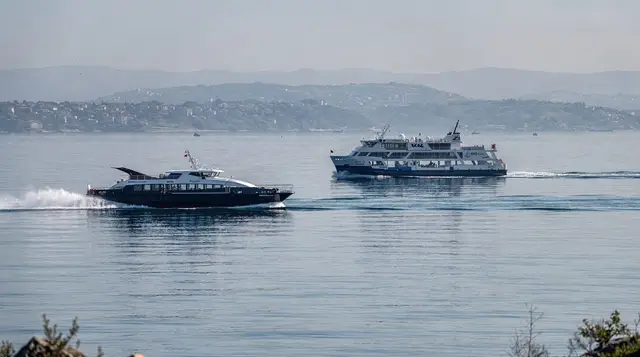
Lampedusa has an airport with regular flights, usually routed via Palermo or Catania, and the flight itself takes roughly an hour once airborne, making it by far the faster option for most visitors. The ferry alternative departs from Porto Empedocle, near Agrigento, and takes several hours, with a considerably thinner schedule outside the summer months.
A Pelagie Islands ferry ticket between Lampedusa and Linosa covers the short inter-island hop for anyone visiting both, which is a genuinely worthwhile add-on for travellers with a few extra days, since Linosa’s volcanic scenery is strikingly different from Lampedusa’s flatter, paler limestone coastline.
As with every island covered on this site, the same caveat applies, magnified by the length of this particular crossing: rough seas can delay or cancel the Porto Empedocle ferry with limited notice, and a cancellation on this route has a bigger knock-on effect on a trip than a short hop elsewhere, given how few sailings run per week outside peak season. Flying is the more reliable choice when the sea forecast looks uncertain, and either way, never book a flight home for the same day you plan to leave the island. Full mechanics of booking ferries generally are in ferries and hydrofoils around Sicily.
Rabbit Beach: what the reputation is actually about
The Spiaggia dei Conigli sits on Lampedusa’s southwestern coast, a crescent of pale, fine sand facing a small offshore islet across shallow, exceptionally clear water, and it’s easy to see why international travel rankings keep placing it among Europe’s best beaches. The catch, and it’s worth knowing in advance: it earns that reputation honestly, which means it also earns real crowds in July and August, when access is sometimes capped on the busiest days to manage numbers and protect the nesting turtles described below.
There’s no direct vehicle access to the sand — visitors park above the beach and walk down a short path — and there are minimal facilities directly on the beach itself, which keeps it feeling relatively unspoiled but means bringing your own water, shade and supplies for a full day there.
Visiting outside the peak July–August weeks, particularly in June or September, gets close to the same scenery with a fraction of the crowd, and is worth prioritising over a peak-summer visit if the schedule allows any flexibility at all. Arriving early in the morning, before the day-trip boats and the bulk of the car-park crowd, is the single best way to get a stretch of the beach to yourself even during the busier months, and it’s worth setting an early alarm specifically for this rather than treating Rabbit Beach as a casual afternoon stop.
Loggerhead turtles: a genuine, low-key conservation story
Lampedusa, and Rabbit Beach specifically, is one of the more important loggerhead sea turtle (caretta caretta) nesting sites in the central Mediterranean. Turtles come ashore to lay eggs on the same sand that draws sunbathers, typically over the summer months, and local conservation efforts mark and protect active nests with simple roped-off sections rather than closing beach access altogether. Hatching follows some weeks after nesting, and while there’s no guaranteed way to time a visit around either event, boat operators and local guides are usually a good source of current information if turtle activity is something a visitor specifically wants to see or avoid disturbing.
Seeing the coast by boat
Lampedusa’s coastline beyond Rabbit Beach rewards a boat trip as much as the beach itself does — the Tabaccara promontory, with water so clear it’s sometimes compared to a swimming pool, is a standout stop covered well by a dedicated Tabaccara promontory boat tour.
A broader boat cruise with swimming stops and lunch covers more of the island’s coastline in a single half or full day, while a sunset gulet trip with dinner on board is a good end-of-day option that also has a reasonable chance of a dolphin sighting, a regular feature of the island’s surrounding waters.
Diving around Lampedusa
Lampedusa’s clear water and relatively undisturbed underwater environment make it a solid, if less internationally known, diving destination alongside Ustica and the Egadi Islands, both covered in detail in snorkelling and diving in Sicily.
The coastline around the Tabaccara promontory and the deeper water off the island’s southern side offer good visibility and a reasonable range of dive sites for both certified divers and beginners on a supervised trial dive. Diving here is less commercially developed than at Ustica, meaning fewer dive centres to choose from but also considerably fewer other divers sharing the same sites, an appealing trade-off for travellers who’ve already dived the busier reserves elsewhere in Sicily and want a quieter alternative.
A simple four-day plan
A first Lampedusa visit works well spread across four days rather than compressed into two. Day one, arrival and an easing-in afternoon at one of the quieter beaches near town, such as Cala Croce, rather than immediately fighting for space at Rabbit Beach on a tired travel day. Day two, a full day at Rabbit Beach itself, arriving early to beat the worst of the midday crowds in peak season. Day three, a boat trip covering the Tabaccara promontory and the wider coastline, with a reasonable chance of a dolphin sighting along the way.
Day four, either a Linosa day trip for travellers who’ve built in the extra time, or a quieter final day split between Cala Pulcino’s walk-in beach and the island’s small archaeological and cultural sites in town. This pacing spreads demand across several beaches rather than returning to the same crowded spot daily, and it leaves room for a full weather buffer day if the return ferry, rather than the flight, is the chosen way home.
How Lampedusa compares to Sicily’s other islands
Lampedusa is the flattest and, geologically, the least dramatic of the archipelagos covered on this site — no volcanoes, no dammusi, no wine country in the way Pantelleria has. Its limestone base, more akin to Malta’s geology than to the volcanic islands elsewhere in this guide, is exactly what produces its pale sand and shallow, clear water, in contrast to the darker volcanic sand found on Vulcano or the complete absence of sand on Pantelleria.
What it has instead is genuinely excellent, uncrowded (outside peak weeks) beaches and clear water, which makes it the right choice for a traveller whose priority is specifically sand and swimming rather than hiking, wine or volcanic scenery. Anyone torn between the two should read the Pantelleria guide alongside this one; the two islands are often mentally grouped together as “the far-south ones” but suit quite different kinds of trip. Both require the same commitment to a longer journey than the Aeolian or Egadi Islands, discussed at a system level in island hopping around Sicily.
Beaches beyond Rabbit Beach
Rabbit Beach dominates Lampedusa’s reputation, but it isn’t the island’s only good beach, and visitors who spend their entire stay there miss a genuinely varied coastline. Cala Pulcino, reached on foot down a steep path rather than by direct vehicle access, offers a quieter alternative with a similar pale-sand, clear-water character and considerably fewer visitors, precisely because the walk down deters the more casual beachgoer.
Cala Croce and Cala Galera, both closer to the main town, are more accessible for a shorter visit without a full day set aside, and Cala Pisana offers good snorkelling just a short distance from the harbour. Spreading a multi-day stay across several of these beaches rather than returning to Rabbit Beach every day both reduces crowding pressure on the most famous spot and rewards visitors with a fuller sense of the island’s coastline.
The context that shapes Lampedusa, honestly
Lampedusa’s position at the edge of the Mediterranean, closer to North Africa than to Sicily, has made it one of Europe’s most significant points of arrival for migration from Libya and Tunisia over the past two decades, a serious and ongoing humanitarian situation that any honest visitor guide should acknowledge rather than ignore.
This context exists alongside, not instead of, the island’s tourism economy, and visitors are generally not directly affected by it in terms of safety or day-to-day travel logistics, but understanding this dual reality is part of visiting Lampedusa with appropriate awareness rather than treating it as simply another beach destination. Local residents have lived with both realities — a genuine tourism draw and a genuine humanitarian frontline — for years, and travellers who arrive informed rather than surprised tend to have a more respectful, grounded visit.
Where to stay and eat
Lampedusa’s accommodation is concentrated in and around the main town, ranging from simple guesthouses to a handful of more comfortable small hotels, with very little in the way of large resort development, which suits travellers looking for a lower-key island stay over a purpose-built beach resort. Renting a small car or scooter for the duration of a stay is worth considering, since Rabbit Beach and several of the quieter coves sit a short drive rather than a walk from the main town, and public transport options are limited.
Restaurants lean heavily on fresh, simple seafood, reflecting the island’s fishing economy, and couscous appears on menus here too, in the same nod to North African culinary influence found further west on Pantelleria; see Sicilian seafood for the mainland comparison. Booking accommodation well ahead for July and August matters more here than on many mainland Sicilian destinations, given the island’s genuinely limited bed capacity relative to peak-season demand.
Linosa: the smaller, quieter neighbour
Linosa, the second inhabited island of the Pelagie group, sits a short boat ride from Lampedusa and offers a distinctly different, volcanic landscape — dark lava-rock coastline and colourful, low-rise houses in a small village, in contrast to Lampedusa’s paler limestone. It receives a fraction of Lampedusa’s visitor numbers and makes a genuinely worthwhile add-on for travellers with a few extra days, reached via the ferry ticket already mentioned above. Facilities are more limited than on Lampedusa itself, so a day trip rather than an extended stay is the more practical approach for most visitors, though a single overnight for those wanting to properly experience the island’s quiet does have real appeal.
How much time to give it
Given the flight or long ferry involved, Lampedusa doesn’t suit a quick add-on; three to four nights is a sensible minimum to justify the travel time, allowing at least one full unhurried day at Rabbit Beach, a boat trip around the rest of the coastline, and some slack for a weather-related ferry delay if travelling by sea rather than air.
It works better as a standalone beach-focused trip, possibly combined with the smaller island of Linosa, than as one stop within a broader mainland Sicily itinerary. Trying to squeeze Lampedusa into a two- or three-day gap within a longer mainland Sicily trip generally backfires, since the travel time alone can consume a full extra day in each direction once flight connections and transfers are accounted for, leaving disproportionately little actual beach time for the effort involved.
Frequently asked questions about Lampedusa
How do you get to Lampedusa?
By flight, usually via Palermo or Catania, taking around an hour once in the air, or by ferry from Porto Empedocle near Agrigento, which takes several hours and runs less frequently outside summer.
What is Rabbit Beach known for?
The Spiaggia dei Conigli, a stretch of pale sand and clear shallow water regularly ranked among Europe’s best beaches, and for nesting loggerhead sea turtles that lay eggs on the same sand in summer.
Is Rabbit Beach access limited?
Yes, in peak summer. Visitor numbers are capped on the busiest days to protect the beach and nesting turtles, and a walk down from the car park is required since no vehicles reach the sand directly.
Is Lampedusa part of Sicily?
Administratively yes, but geographically it sits closer to Tunisia than to Sicily, as one of the Pelagie Islands, alongside the smaller island of Linosa.
When do loggerhead turtles nest on Lampedusa?
Nesting typically happens over summer, with hatching following some weeks later, and boat operators and beach authorities generally rope off active nest sites to protect them without closing off the rest of the beach.
Can ferries to Lampedusa be cancelled?
Yes, particularly on the long Porto Empedocle crossing, where rough seas can delay or cancel a sailing with limited notice. Flying is the more reliable option when the sea forecast looks uncertain.
Is Lampedusa expensive?
Prices for food and accommodation run somewhat higher than the Sicilian mainland, reflecting the cost of shipping supplies to a remote island, though generally in line with, or slightly below, Pantelleria and the more developed parts of the Aeolian Islands.
Are there beaches on Lampedusa besides Rabbit Beach?
Yes. Cala Pulcino, reached on foot down a steep path, Cala Croce and Cala Galera nearer the main town, and Cala Pisana all offer good swimming and snorkelling with far fewer visitors than the famous beach.
Is it safe to visit Lampedusa given its role in migration to Europe?
Yes, in terms of everyday visitor safety and logistics; the island’s tourism areas and beaches operate normally and are not affected by the separate, serious humanitarian situation the island is also known for. Visitors arriving informed about both realities tend to have a more grounded, respectful visit.
Is Linosa worth visiting as well as Lampedusa?
Yes, for travellers with a few spare days. Linosa’s volcanic, sparsely visited landscape is a genuine contrast to Lampedusa’s paler limestone coast, though its more limited facilities suit a day trip better than an extended stay for most visitors.
Boat trips and island tours on GetYourGuide
Verified deep-linked GetYourGuide tours. Book through these links and we earn a small commission at no cost to you.
Photo: our own image of the location, not the operator’s product photo.