Pantelleria, the black island
What makes Pantelleria different from Sicily's other islands?
It sits closer to Tunisia than to Sicily, has no sand beaches at all, and its economy and architecture, built around dammusi (stone dwellings) and passito dessert wine, feel distinctly different from anywhere else covered on this site. It requires a flight or an overnight ferry, not a short hop.
Closer to Africa than to Sicily, and it shows
Pantelleria sits roughly 100 kilometres southwest of Sicily and about 70 kilometres from the Tunisian coast, closer to North Africa than to any Sicilian port, and the island’s history, architecture and even its wind reflect that position more than its official status as a Sicilian island does. It’s also one of the largest of Sicily’s outlying islands by land area, considerably bigger than any single Aeolian or Egadi island, which means it has room for a genuinely varied landscape within one visit — volcanic coastline, an inland mountain, vineyards, and small villages that never feel as densely packed with visitors as Favignana or Lipari can in August.
This is a genuinely different trip from the Aeolian or Egadi Islands: no sand beaches, no ferry service short enough to treat as a casual day hop, and a visual character — flat-roofed stone dammusi scattered across dry-stone terraced vineyards — that has more in common with parts of Tunisia or Malta than with the rest of Sicily. Anyone expecting a smaller, quieter version of the Aeolian Islands should recalibrate before booking; Pantelleria rewards a different kind of visit entirely.
Getting there: flight or overnight ferry, nothing in between
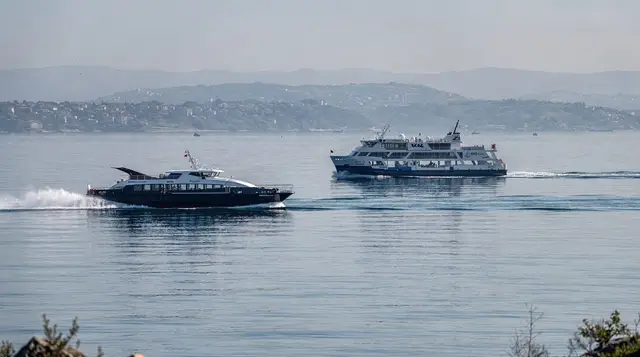
Pantelleria has an airport with regular flights from Trapani, Palermo and Catania, and in summer, occasional direct connections from mainland Italian cities. The flight itself takes under an hour from Trapani. The alternative is an overnight ferry from Trapani, typically five to six hours, arriving in the small hours or early morning — a genuinely different experience from the quick hydrofoil hops that serve the Aeolian and Egadi Islands, and one that effectively commits an entire evening and night to travel rather than a couple of hours.
There is no fast daytime ferry option on this route. Full detail on booking either option, and on how the same cancellation risk from rough seas applies here too, sometimes with a bigger knock-on effect given the length of the crossing, is in ferries and hydrofoils around Sicily. As with every other island covered on this site, avoid scheduling a flight home for the same day you plan to leave Pantelleria.
No sand, and that’s not a flaw
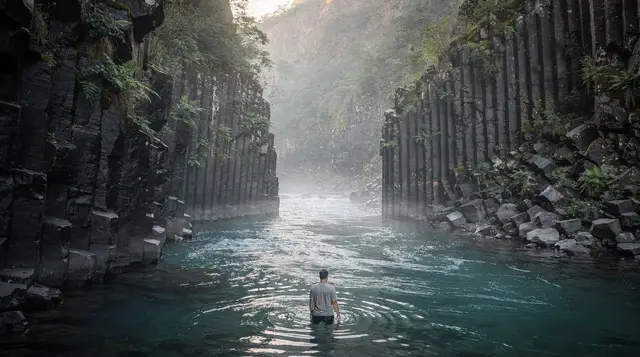
The single biggest adjustment for first-time visitors: Pantelleria has no sand beaches at all. The island is entirely volcanic in origin, and its coastline is rock, with swimming happening from flat volcanic platforms, a scattering of small natural pools, and a handful of accessible coves rather than anywhere resembling a conventional beach.
This isn’t a deficiency so much as a different kind of coast — the water is exceptionally clear precisely because there’s no sand to cloud it, and boat-based exploration, like a boat tour with lunch on board around the island’s perimeter, is the standard way to properly see the coastline and reach swimming spots inaccessible on foot. Visitors set on lying on sand should look instead at Lampedusa, whose Rabbit Beach is the opposite case entirely, or the mainland options in the best beaches in Sicily.
Dammusi: the island’s defining architecture
The dammuso is Pantelleria’s traditional dwelling, a low, thick-walled stone structure with a distinctive white domed roof, originally engineered to collect scarce rainwater and to stay cool through the island’s hot, dry, windy summers without modern cooling.
Restored dammusi, rather than conventional hotels, make up the bulk of Pantelleria’s visitor accommodation, often set among the island’s characteristic dry-stone terraced vineyards, and staying in one is arguably as central to a Pantelleria visit as any single sight. Expect fewer large hotels here than on the Sicilian mainland or even the Aeolian Islands, and book well ahead for July and August, when the island’s traditionally wealthy and largely Italian summer clientele fills the better dammusi early.
Wine, capers and a genuinely distinct food culture
Pantelleria’s zibibbo grape, grown in low, wind-resistant bush vines using a traditional cultivation method recognised by UNESCO for its intangible cultural value, produces Passito di Pantelleria, a sun-dried sweet dessert wine that is the island’s best-known export. Capers, grown across dry terraced slopes and prized for their intense flavour relative to mainland Sicilian capers, are the other defining local product.
A premium wine tasting with local food pairing is a straightforward way into both in a single sitting, and the island’s food culture more broadly — leaning heavily on capers, tuna, couscous (a nod to the island’s proximity to North Africa) and the passito itself — is distinct enough from mainland Sicilian cooking to merit its own attention rather than assuming it matches Sicilian seafood elsewhere on the island.
Montagna Grande, volcanic lakes and hiking
Inland, Montagna Grande, Pantelleria’s highest point at just over 800 metres, anchors a genuinely good network of hiking trails through volcanic terrain, past natural saunas fed by underground steam vents, lava flows, and the Specchio di Venere (Mirror of Venus), a crater lake with naturally warm, mineral-rich water that visitors can swim or soak in. A guided volcanic trekking and natural spa tour covers this side of the island properly, and it’s worth treating hiking here as equally central to a Pantelleria visit as the boat-based coastal exploration, rather than an afterthought.
Prehistoric stone structures: the sesi
Pantelleria also holds one of the Mediterranean’s more overlooked prehistoric sites: the sesi, dry-stone burial structures dating back roughly 5,000 years, scattered across the island and concentrated near the main town. They’re considerably less visited than Sicily’s better-known ancient sites covered in Greek Sicily explained, since Pantelleria’s Bronze Age heritage predates the Greek colonisation of Sicily by well over a thousand years and gets comparatively little marketing attention, but they’re a genuinely worthwhile stop for visitors interested in the island’s deeper history rather than only its wine and coastline.
The wind, and why the architecture looks the way it does
Pantelleria is one of the windiest inhabited places in Sicily, and nearly every distinctive feature of its landscape and architecture reflects centuries of adapting to that fact. The dammuso’s thick stone walls and low, domed profile aren’t purely aesthetic; they’re a direct response to wind exposure and heat, keeping interiors cool without needing to catch a breeze the way a taller, more open mainland house might. The island’s vines are trained low, close to the ground, in the traditional alberello (bush vine) method rather than trellised upward, specifically to survive the near-constant wind that would otherwise damage taller vine structures.
Even the island’s dry-stone terracing, similar in principle to terracing found elsewhere in the Mediterranean but built with distinctly local stone, exists partly to break wind at ground level and manage the island’s limited, wind-affected rainfall. Visitors arriving expecting a still, calm island atmosphere should recalibrate: wind is a near-constant companion here, generally more of a feature than a nuisance, though it’s worth knowing about before planning a beach day around it, given how it can make the exposed coastal platforms choppier than a sheltered inland spot.
A layered history: Phoenicians, Romans, Arabs
Pantelleria’s history runs deeper than its Italian-administered present suggests, and its position between Sicily and Tunisia has meant successive waves of Phoenician, Roman, Byzantine and Arab influence, each leaving a mark still visible today. The island’s Arabic-influenced place names, its couscous-based cooking traditions, and even the word “dammuso” itself, believed to derive from an Arabic term for a domed structure, all trace back to this layered past rather than to mainland Sicilian influence alone.
The main town’s small archaeological museum covers this history in more depth than most visitors expect from what looks, on the surface, like a simple resort island, and it’s a worthwhile stop for anyone curious about why Pantelleria feels so culturally distinct from the rest of Sicily covered in Greek Sicily explained and the island’s broader ancient sites.
Getting around the island once you’re there
A rental car or scooter is close to essential on Pantelleria, since the island’s dammusi accommodation is often scattered across the countryside rather than concentrated in a walkable centre, and public transport is minimal. Renting a small car or scooter at the airport or in the main town on arrival is standard practice, and it’s worth booking ahead in peak season given the island’s limited rental fleet.
Roads are generally in reasonable condition but narrow and occasionally steep on the way up to Montagna Grande, and driving here is more straightforward than the ZTL-restricted historic centres common on the Sicilian mainland, discussed in ZTL zones and parking in Sicilian cities, since Pantelleria has no comparable restricted-traffic zone.
Where to eat and what’s distinctly Pantescan
Beyond the passito and capers already covered, Pantelleria’s food culture is worth exploring specifically for what it does differently from the rest of Sicily. Ravioli pantesco, a ricotta and mint-filled pasta distinct from mainland Sicilian ravioli fillings, is a genuine local specialty worth seeking out over a more generic pasta dish.
Couscous appears on menus here in a way it rarely does on the Sicilian mainland outside of specific coastal towns near Trapani, a direct legacy of the island’s historical ties across the water to Tunisia, and travellers with dietary restrictions will find the island’s vegetable- and legume-heavy dishes easier to navigate than they might expect, covered more broadly in vegetarian and vegan in Sicily. Restaurants cluster around the main town and a handful of villages rather than being spread evenly across the island, so it’s worth planning meals around location rather than assuming a restaurant will be within easy walking distance of every dammuso.
How much time to give it
Pantelleria doesn’t suit a short add-on trip given the travel time involved; three to four nights is a realistic minimum to justify the flight or overnight ferry, split roughly between coastal boat exploration, a Montagna Grande hike, and time simply spent around a dammuso with the island’s wine.
It pairs poorly with a tightly packed mainland Sicily itinerary for the same reason — the getting-there and getting-back legs alone eat the better part of two days — and works better as either a standalone trip from elsewhere in Italy or Europe, or as one dedicated segment of a longer Sicily-plus-islands trip of two weeks or more; see island hopping around Sicily for how it stacks up against the other archipelagos on realistic time budgets.
A sample four-day plan
A workable first Pantelleria itinerary spreads the island’s main draws across four days without rushing any of them. Day one, arrival, settling into a dammuso and an easy first evening with a wine tasting to get oriented with the island’s signature product. Day two, a full day on the water, covering the coastline’s volcanic swimming spots and caves by boat, since so much of the coast is inaccessible any other way.
Day three, inland: a guided hike toward Montagna Grande, a stop at the Specchio di Venere for a swim in its mineral-rich water, and time at one of the island’s natural saunas. Day four, a slower final day mixing the archaeological museum, the sesi if time allows, and a final relaxed meal before departure. This pacing avoids the common mistake of trying to fit both the coastal and inland sides of Pantelleria into two rushed days, which tends to leave visitors feeling they’ve only seen half the island properly.
A private boat, and what it costs relative to a shared one
For visitors who want full control over the day rather than a fixed shared itinerary, a private gozzo tour with a skipper covers the coastline at your own pace, at a price premium over a shared boat trip that’s worth it for a special occasion or a group large enough to split the cost. A wider look at how Pantelleria’s boat tour prices compare with the rest of Sicily’s islands is in what a Sicilian boat tour actually costs.
Booking a private tour also solves a practical problem specific to Pantelleria’s coastline: since there’s no sand beach to simply walk to and settle on, a boat, whether shared or private, is effectively the only way to properly experience the volcanic coast’s best swimming spots rather than seeing them only from a clifftop viewpoint.
Frequently asked questions about Pantelleria
How do you get to Pantelleria?
By flight from Trapani, Palermo or Catania, taking under an hour, or by overnight ferry from Trapani, which takes roughly five to six hours. There is no fast daytime ferry connection comparable to the Aeolian or Egadi Islands.
Does Pantelleria have sand beaches?
No. The island is entirely volcanic rock, and swimming happens from rocky platforms, natural pools and a handful of small coves rather than sand beaches, which surprises visitors expecting a typical Mediterranean island.
What is a dammuso?
A traditional stone dwelling with a distinctive domed roof, originally built to collect rainwater and stay cool in summer heat. Most visitor accommodation on Pantelleria is in restored dammusi rather than conventional hotels.
What is Pantelleria known for producing?
Passito di Pantelleria, a sweet dessert wine made from sun-dried zibibbo grapes, and capers, both grown using traditional low-bush cultivation methods adapted to the island’s constant wind and volcanic soil.
Is Pantelleria good for hiking?
Yes. Montagna Grande, the island’s highest point, and a network of trails past volcanic lakes, natural saunas and lava flows make Pantelleria one of the better hiking destinations among Sicily’s islands, alongside its boat-based coastal excursions.
Can ferries to Pantelleria be cancelled?
Yes, in the same way as any other Sicilian island crossing, and the longer overnight route means a cancellation has a bigger knock-on effect on a trip than a short hop elsewhere. Flights are a more reliable, if pricier, alternative in poor sea conditions.
Is Pantelleria expensive compared with other Sicilian islands?
Broadly comparable to Lampedusa and somewhat above the Egadi Islands, reflecting the cost of shipping supplies to a more remote island and the premium nature of much of its dammuso accommodation.
How many days does Pantelleria need?
Three to four nights is a realistic minimum to justify the travel time involved, split between coastal boat exploration, hiking, and time spent around a dammuso rather than rushing between sights.
Do you need a car on Pantelleria?
Effectively yes. Accommodation is scattered across the countryside rather than concentrated in one walkable town, and public transport is minimal, so renting a car or scooter on arrival is standard practice for nearly every visitor.
Is Pantelleria good for a honeymoon or a special occasion trip?
Yes, particularly for travellers who want privacy and a distinctive setting over a conventional beach resort. Many dammusi come with private pools carved into the volcanic rock, and the island’s slower pace and lack of large hotel developments suit a quiet, intimate stay well.
What language is spoken on Pantelleria?
Italian, as across Sicily, though the island’s history of Arab influence shows up in local dialect words and place names rather than in everyday spoken language, which remains standard Italian with a Sicilian regional accent.
Boat trips and island tours on GetYourGuide
Verified deep-linked GetYourGuide tours. Book through these links and we earn a small commission at no cost to you.
Photo: our own image of the location, not the operator’s product photo.