Taormina or Cefalù
Should I visit Taormina or Cefalù?
Taormina suits travellers who want ancient heritage, a dramatic clifftop setting with Etna in view, and are willing to pay a premium for it. Cefalù suits travellers who want a genuine in-town beach, a Norman cathedral, and a more relaxed, family-friendly, and noticeably cheaper stay. If you have to pick one without further information, choose Cefalù for better overall value; choose Taormina if the ancient theatre and the view are specifically what you are after.
Two coastal towns, two different kinds of Sicily
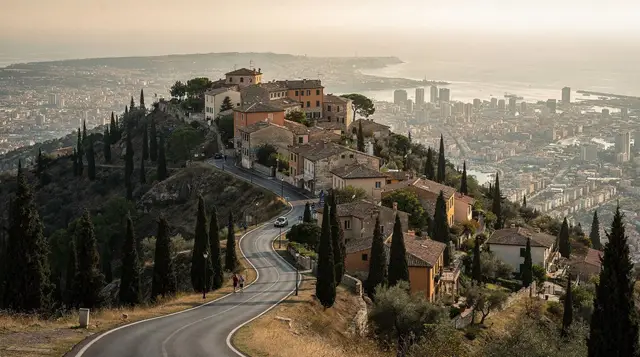
Taormina and Cefalù are Sicily’s two most recognisable coastal towns, and both routinely appear on shortlists for the same trip, even though they sit on opposite sides of the island, roughly three hours apart by car, and offer genuinely different experiences rather than a similar visit at two different price points. Taormina is a clifftop town on the east coast, built around an ancient Greco-Roman theatre with Mount Etna behind it, and it carries the price tag of a long-established international resort.
Cefalù, on the north coast, is a working coastal town with a Norman cathedral and a real beach inside its historic centre, at a noticeably lower cost and a gentler pace. Neither is a smaller or cheaper version of the other, and mixing up the two before booking is an easy way to end up disappointed. This guide compares them directly, on the things that actually decide a trip: setting, beach access, cost, crowds, and what kind of traveller each town genuinely suits. For the wider question of which coast to build a trip around, see East or west Sicily.
Taormina: ancient theatre, clifftop views, and Etna in the frame
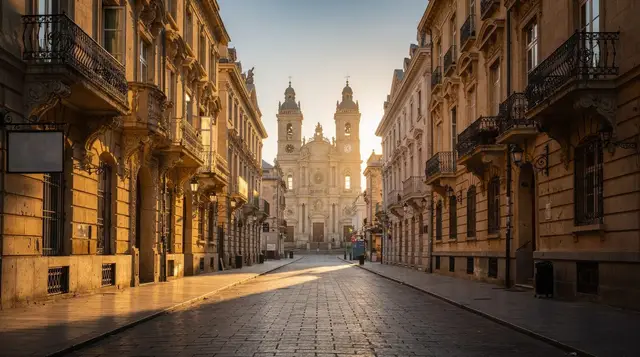
Taormina’s defining feature is its position: perched on a terrace roughly 200 m above the Ionian coast, with the ancient theatre — built by the Greeks and later expanded by the Romans — framing Mount Etna directly behind the stage. It is one of the most photographed views in Sicily, and one of the few places on the island where an ancient monument and an active volcano sit in the same frame. The ancient theatre of Taormina covers what a visit involves, including how to time it around the cruise-ship and coach-tour crowds that build steadily through the morning.
Below the town, Isola Bella is Taormina’s own beach, a small island connected to the shore by a sand bar, reached by a cable car from the town centre or a shuttle bus down the switchback road. Isola Bella and the Taormina beaches covers the practical side — tickets, timing, and what the beach itself is actually like once you get down there. A From Catania: Exclusive Tour of Taormina and Isola Bella with a Stop for a Swim combines the town and the beach with a guide and a stop to swim, useful for visitors who want both covered in a single planned half-day rather than working it out themselves in the heat.
Taormina’s other well-known association is as a filming location — most recently for a prominent television series, a subject covered in its own dedicated guide rather than repeated here. What matters for this comparison is the effect that profile has had on the town: higher hotel and restaurant prices, a more international, dressed-up evening atmosphere, and crowds that build noticeably from mid-morning through the afternoon in high season.
Cefalù: a cathedral, a beach in the old town, and a lower price
Cefalù’s defining feature is the opposite kind of convenience: a genuine sandy beach running directly along the edge of its historic centre, something few Sicilian towns of comparable size and heritage can offer. You can walk from a cathedral square to a beach towel in a few minutes, which is not true of Taormina, where reaching Isola Bella means a cable car or a bus ride down from the clifftop. Cefalù beach and the Rocca covers the beach itself and the limestone cliff (La Rocca) that looms over the town.
The Norman cathedral, built in the 12th century and part of the same Arab-Norman architectural tradition found in Palermo and Monreale, anchors the old town and is a genuine heritage draw in its own right — see Monreale cathedral and its cloister for the broader Arab-Norman context it belongs to. A Cefalù: Cathedral Complex Guided Tour covers the cathedral itself in more depth than a self-guided visit typically manages, and for visitors who want to see the town from above, a Cefalù: la Rocca Archaeological Park Hiking Private Tour climbs La Rocca to the ancient fortifications and temple ruins overlooking both the town and the sea.
Cefalù runs noticeably cheaper than Taormina across accommodation and dining, and it carries a more relaxed, less internationally polished atmosphere — closer to a working Sicilian coastal town with a significant number of visitors than to a purpose-built resort. It also functions well as a day trip from Palermo, covered in Cefalù as a day trip, an option that does not really exist in reverse for Taormina given the distance from Palermo.
Beyond the headline sight: shopping, dining and evenings
Taormina’s main street, Corso Umberto, is lined with boutiques, jewellery shops and restaurants pitched squarely at an international visitor, alongside genuinely good, if not cheap, Sicilian dining. Evenings here lean dressed-up rather than casual, particularly in the piazzas near the theatre, and the town’s small size means the same streets fill and empty with the day-trip crowd on a predictable daily rhythm.
Cefalù’s main street, Corso Ruggero, running from the cathedral down toward the sea, has a similar mix of shops and restaurants but at a noticeably lower price point and a more casual, beach-town atmosphere in the evening, with the promenade along the beach itself becoming the main gathering point after dinner rather than a piazza built around a monument.
Getting around within each town
Taormina’s old town is compact but steep, built along a ridge with the Corso running roughly level and side streets dropping sharply toward the sea — comfortable walking shoes matter more here than in most Sicilian towns, and reaching Isola Bella means committing to the cable car or the shuttle bus rather than a casual stroll.
Cefalù is flatter and easier underfoot, with the cathedral, the old town’s narrow lanes, and the beach all within a short, level walk of each other, which is a real factor for travellers with mobility limitations or very young children who tire quickly on inclines. Neither town needs a car once you have arrived; both are best explored on foot, with a car parked at the edge of town for the duration of the stay, as with every Sicilian historic centre.
Getting there: which airport, and how far
Taormina sits roughly 45 to 60 minutes from Catania Fontanarossa airport, making it an easy first or last stop for anyone flying into Catania. Cefalù is closer to Palermo Punta Raisi airport, at around an hour, and a considerably longer drive from Catania, which makes the choice between the two towns partly a function of which airport your flights land at in the first place. Neither town is well suited to a same-day crossing from the other’s airport without giving up most of a travel day to the transfer.
Cost: the clearest difference between the two
If a single factor separates Taormina and Cefalù more than any other, it is price. Taormina’s combination of historic five-star hotels, clifftop views and international name recognition has pushed its accommodation and dining costs well above the Sicilian average, and well above Cefalù’s. Cefalù, while not a budget destination in absolute terms, runs meaningfully cheaper across comparable categories of hotel and restaurant, and it is one of the more affordable ways to combine beach, heritage and a walkable historic centre in a single Sicilian base.
See What a week in Sicily actually costs for how these differences play out across a full trip rather than a single night’s hotel bill. In practical terms, a traveller who splits a two-week Sicily trip between a few nights in Taormina and a few nights in Cefalù will generally notice the difference most clearly in the dinner bill and the hotel rate, less so in the cost of coffee, gelato or a casual lunch, where the gap between the two towns narrows considerably.
Crowds and atmosphere
Taormina’s international profile means it draws a heavier volume of cruise-ship day-trippers and coach tours than Cefalù, particularly through the ancient theatre and the main Corso Umberto in the middle of the day. The town empties out somewhat in the early morning and evening, which is when many repeat visitors recommend seeing it. Cefalù gets genuinely busy too, especially on its beach and seafront in July and August, but its atmosphere leans more toward a lively Sicilian seaside town on a domestic holiday weekend than a curated international resort experience.
Neither is objectively calmer year-round — both have a clear peak-season crowd problem — but Cefalù’s crowding is more concentrated on the beach itself, while Taormina’s spreads through the old town’s narrow streets, meaning a Taormina visitor has fewer places to retreat to for a quiet hour than a Cefalù visitor, who can simply walk a few minutes along the promenade away from the busiest stretch of sand.
Weather and when to go
Both towns follow Sicily’s broad seasonal calendar — hot, dry summers and mild, wetter winters — and both are considerably more pleasant, and cheaper, outside the July-August peak. April to June and September to October generally offer comfortable temperatures for walking Taormina’s steeper streets or spending a full day on Cefalù’s beach, without the 35°C-plus inland heat or the Ferragosto crowds of mid-August. See The best time to visit Sicily for the island-wide picture. Winter brings both towns a quieter, cheaper off-season, though many beach-adjacent businesses in Cefalù reduce their hours or close entirely, while Taormina, with its year-round hotel trade, stays more consistently open.
Combining both in one trip
Taormina and Cefalù sit on opposite coasts, roughly a 3 to 3.5 hour drive apart depending on the route, which makes them a realistic pairing only within a longer, multi-stop itinerary rather than a quick add-on to each other. Many travellers cover both by treating Taormina as part of an east-coast leg centred on Catania and Etna, and Cefalù as part of a Palermo-based leg, with the two separated by a transfer day rather than attempted back to back. Sicily in two weeks and The full Sicily road-trip loop both build in stops for towns on both coasts without forcing an unrealistic single-day crossing between them.
Side-by-side
Setting: Taormina is clifftop with Etna views; Cefalù is coastal, flat and beach-adjacent.
Beach access: Cefalù has a real beach in the historic centre; Taormina’s Isola Bella requires a cable car or bus ride down from town.
Heritage: Taormina has its ancient Greco-Roman theatre; Cefalù has its Norman cathedral and the Rocca’s older fortifications and temple ruins.
Cost: Taormina carries a significant price premium; Cefalù is noticeably cheaper across accommodation and dining.
Airport: Taormina is closer to Catania; Cefalù is closer to Palermo.
Atmosphere: Taormina reads as an international resort town; Cefalù reads as a working coastal town with heavy tourism rather than a purpose-built resort.
Families: Cefalù’s flat, walkable, beach-adjacent centre generally suits families better than Taormina’s steeper streets and cable-car beach access.
Who should choose Taormina
Choose Taormina if the ancient theatre, the Etna backdrop, and a historic international resort atmosphere are what you are actually looking for, and the price premium is not a deciding factor. It also suits travellers whose trip is centred on Catania and Etna, since Taormina slots naturally alongside both without a long detour, and couples or honeymooners specifically drawn to the town’s polished, dressed-up evening atmosphere rather than a more casual beach-town pace.
Who should choose Cefalù
Choose Cefalù if you want a genuine walkable beach town with real heritage at a noticeably lower cost, a more relaxed pace, and easier logistics for families or anyone who does not want to manage a cable car to reach the sea. It also suits travellers building a trip around Palermo, since Cefalù sits comfortably within day-trip or short-stay range of that base, and anyone who would rather spend a beach afternoon a five-minute walk from their hotel than plan a whole excursion around reaching the water.
Frequently asked questions about choosing between Taormina and Cefalù
Which is more expensive, Taormina or Cefalù?
Taormina, by a clear margin. Its clifftop position, historic hotels and international profile carry a genuine price premium in both accommodation and dining that Cefalù does not have.
Can you swim in the town itself, in Taormina or Cefalù?
Cefalù has a real beach directly in its historic centre, unusual for a Sicilian town. Taormina’s own beach, Isola Bella, sits at the base of the cliff and requires a cable car or a shuttle bus down from the town itself.
Which is closer to Catania airport, Taormina or Cefalù?
Taormina, at roughly 45 to 60 minutes. Cefalù is closer to Palermo’s Punta Raisi airport, at around an hour, and a longer drive from Catania.
Is Taormina or Cefalù better for families?
Cefalù generally, thanks to its walkable in-town beach, gentler pace and lower cost. Taormina works for families too, but the cable car to Isola Bella and the steeper, more crowded old town add friction that Cefalù’s flatter, beach-adjacent centre does not have.
Does Taormina or Cefalù have Mount Etna views?
Taormina. The ancient Greco-Roman theatre frames Etna directly behind the stage, one of the most photographed views in Sicily. Cefalù, on the north coast, does not have Etna in view.
Which town is quieter, Taormina or Cefalù?
Cefalù generally has a more relaxed, less internationally oriented atmosphere than Taormina, though both get busy in July and August. Taormina’s profile as an international resort town means it draws larger crowds and more day-trip coach traffic overall.
Is Taormina worth the extra cost compared to Cefalù?
It depends on your priority. If the ancient theatre, the Etna backdrop and a historic resort atmosphere matter enough to you, yes. If you mainly want a relaxed beach town with a cathedral and lower prices, Cefalù delivers that without Taormina’s premium.
The bottom line
If budget and a genuine walkable beach matter more to you than an ancient monument and a volcano view, choose Cefalù — it is the better overall value and the easier town to actually relax in. Choose Taormina instead if the ancient theatre framed against Etna, and the atmosphere of a long-established international resort, are specifically what you came to Sicily for, and you are willing to pay the premium that comes with it.
If you have time for both, they pair reasonably well into a longer east-to-north-coast itinerary rather than forcing a single choice — but for a first visit with only one coastal town to spare, Cefalù is the safer default on value alone, while Taormina remains the one to pick if the view from that theatre is the whole reason you are going. Whichever you choose, book the specific sight that matters most to you — the theatre, the cathedral, the Isola Bella cable car, the Rocca hike — for the early morning rather than the middle of the day, since both towns are considerably more pleasant before the coach tours and the midday heat arrive — a small scheduling change that does more for either visit than picking one town over the other ever will.
Popular Sicily experiences on GetYourGuide
Verified deep-linked GetYourGuide tours. Book through these links and we earn a small commission at no cost to you.
Photo: our own image of the location, not the operator’s product photo.