Western Sicily in 5 days
A compact corner that doesn’t need a cross-island drive
Western Sicily rewards a short, focused trip more than almost any other region on the island: Trapani, Erice, Marsala, Segesta and San Vito Lo Capo all sit within roughly 40 minutes of each other by car, so five days here means real time in each place rather than long transfers between them. This is also the one corner of Sicily where you can genuinely fly in and out without touching Palermo or Catania — Trapani-Birgi airport handles a handful of budget routes. For the full-island version of this pace, see Sicily in 5 days; for a slower, food-and-wine-focused week that overlaps with this route, see A Sicilian food and wine week.
| Best for | Travellers who want temples, wine and beach without a long cross-island drive |
| Getting around | Rental car — distances are short but public transport between these towns is thin |
| Total budget guide | Around 500-750 € per person for five days, excluding flights |
| Car needed | Yes — Segesta and San Vito Lo Capo are genuinely awkward without one |
Day 1 — Trapani, base for the week
Morning: Arrive and settle in Trapani, a working port city that’s less polished than Erice above it but has a real historic core worth a slow half-day: the Baroque churches along Via Garibaldi, the fish market near the port, and the salt-pan views south of town. Watch for Trapani’s ZTL around the old town’s narrow core — check signage before driving in, or park at one of the paid lots just outside the restricted zone.
Afternoon: Walk the old town properly — Trapani’s historic center is a narrow peninsula, easy to cover on foot in two or three hours. Join a guided walking tour of Trapani with a cannolo tasting stop if you’d rather have context on the Baroque facades than guess at them.
Evening: Trapani’s fish-based cuisine (couscous alla trapanese, a genuine local dish with Tunisian roots, not a tourist invention) is worth seeking out here rather than waiting for San Vito Lo Capo, where the same dish gets a festival built around it every September.
Day 2 — Erice, above the clouds
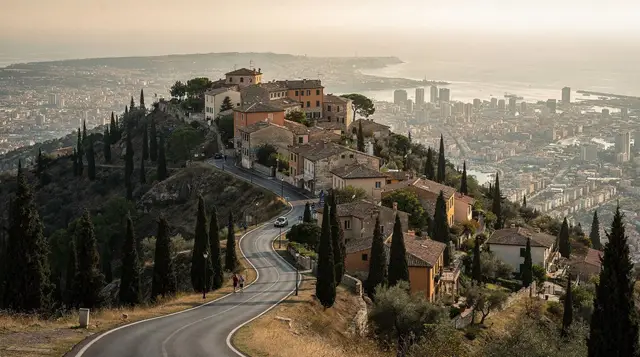
Morning: Erice sits at about 750m on a hilltop above Trapani, reachable by a short cable car ride (around 10 minutes) or a 20-30 minute drive up a switchback road. Medieval stone streets, a Norman castle, and — on the right morning — a genuine sea of clouds below you while Erice itself sits in clear sun. Go early; the cable car queue and the day-trip crowds both build by midday.
Afternoon: Erice is compact enough to cover in half a day. The pasticceria tradition here is serious — Maria Grammatico’s shop is the best-known name for the almond pastries developed by the town’s former convent kitchens. Book an evening Erice tour with a pastry tasting pairs the walk with exactly that.
Evening: Drive back down to Trapani for dinner, or stay up in Erice if your accommodation is there — the town empties out considerably once day-trippers leave, and an evening walk through it is a genuinely different experience from the midday crowds.
Day 3 — Segesta and Marsala
Morning: Drive about 30 minutes from Trapani to Segesta, home to one of the best-preserved unfinished Greek temples anywhere and a hilltop theatre with views toward the Gulf of Castellammare. The temple was never completed — no roof, no interior walls, columns left unfluted — which is part of what makes it striking rather than a restoration. Book a private walking tour of the Segesta archaeological park. Our Segesta guide covers what to see and how much time to budget.
Afternoon: Drive roughly 30 minutes to Marsala for the town’s namesake fortified wine. The Florio winery is the best-known name and runs proper cellar tours with tastings. Tour the Florio winery cellars with a wine tasting. Our Marsala wine guide explains the difference between the sweet dessert styles most visitors know and the drier styles worth trying if you assume Marsala is only for cooking.
Evening: Marsala’s saline (salt pans) south of town toward Trapani are worth a short detour at sunset if timing allows — working windmills and shallow pink-tinged pools that are genuinely photogenic without being staged for it.
Day 4 — San Vito Lo Capo
Morning: Drive about 40 minutes north from Trapani to San Vito Lo Capo, regularly rated among Sicily’s best beaches — a genuine white-sand crescent backed by the Monte Monaco cliffs, closer in feel to a Caribbean beach than most of the island’s rockier coastline. Arrive early in July-August; the beach and the single access road both fill by mid-morning in peak season.
Afternoon: Take a full-day boat trip from San Vito Lo Capo along the coast toward the Zingaro nature reserve if you want more than a beach day — the reserve itself is walkable but has no road access, so a boat or a hike from either end is the only way to see its coves. If you’re tired, cut this: stay on San Vito’s main beach instead; it’s a legitimate full day on its own.
Evening: San Vito’s couscous festival heritage shows up on menus year-round, not just during the September event — worth trying here specifically, since it’s the town most associated with the dish.
Day 5 — Slow morning, departure
Morning: Use a final slow morning in whichever base you preferred — Trapani’s port views, Erice’s quiet streets before the cable car crowds arrive, or one more San Vito beach hour if you stayed there overnight.
Getting there and around
Trapani-Birgi airport (a handful of budget carrier routes) sits about 15 minutes south of Trapani town and is genuinely the easiest way in for this specific itinerary — flying into Palermo instead adds roughly an hour’s drive each way. A rental car is close to essential here: buses connect the towns but on sparse, tourist-unfriendly schedules, and Segesta in particular has almost no useful public transport link. Our driving in Sicily and ZTL zones and parking guides cover what to expect before you pick up the keys.
Best day trips in Sicily on GetYourGuide
Verified deep-linked GetYourGuide tours. Book through these links and we earn a small commission at no cost to you.
Photo: our own image of the location, not the operator’s product photo.