San Vito Lo Capo: the beach and the couscous
Why is San Vito Lo Capo famous?
For a wide bay of fine white sand facing Monte Monaco, generally considered one of Sicily's best swimming beaches, and for the Cous Cous Fest, a multi-day food festival held in the town each September built around Sicily's own version of couscous.
A small town built entirely around one bay
San Vito Lo Capo sits at the very tip of a peninsula in western Sicily, and almost everything about the town orients itself toward the water: a straight sweep of fine white sand running for roughly a kilometre, closed off at one end by the sharp pyramid shape of Monte Monaco rising directly from the sea. The sand is finer and whiter than most of Sicily’s coast, closer in colour and texture to a Caribbean beach than to the volcanic pebble found elsewhere on the island, and the water stays shallow and calm for a long way out, sheltered by the shape of the bay itself. It is one of the most photographed beaches in Sicily for good reason, and one of the most reliably crowded in July and August as a direct result.
What makes San Vito Lo Capo more than a beach stop is the town wrapped around it: a compact grid of streets a couple of blocks deep, dense with restaurants and gelaterie, that swells enormously in summer and empties out again for much of the rest of the year. That contrast — a near-empty fishing village feel in April, a packed resort town in August — is worth knowing before you plan a visit, because the two versions of San Vito Lo Capo barely resemble each other.
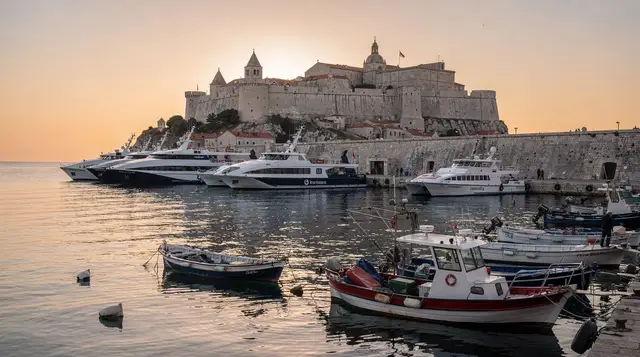
At the centre of town, right where the streets meet the sand, stands a fortified sanctuary church, its thick walls and squat, defensive shape a reminder that this stretch of coast spent centuries exposed to raids from the sea before it was ever a beach destination. It is a good five-minute stop on the way to or from the sand rather than a destination in its own right, but it explains something about the town’s layout: San Vito Lo Capo grew up defensively, clustered tight around that one fortified point, and only expanded outward into a resort town in more recent decades.
Monte Monaco and beyond the main bay
The pyramid-shaped headland that closes off the western end of the bay, Monte Monaco, has walking paths that climb toward its ridge for anyone who wants a view back down over the beach rather than a day spent on it. It is a steep, exposed climb with little shade, better suited to a cooler morning than the middle of a summer afternoon, and rewards hikers with a genuinely different perspective on just how sheltered and enclosed the bay is from above.
A short drive along the coast from town, the hamlet of Macari is known locally for its sunset views across the water toward the Egadi Islands, and for a scattering of smaller, quieter coves along the approach to the Zingaro reserve’s northern entrance — a reasonable stop for anyone who has already spent a day on San Vito Lo Capo’s main beach and wants a quieter alternative for a second look at this coast.
Getting there and parking
By car, San Vito Lo Capo is roughly an hour to an hour and a quarter from Trapani and around an hour forty-five minutes to two hours from Palermo, depending on how much traffic builds up through the coastal towns along the route. The drive itself is straightforward, mostly along the coast road past Castellammare del Golfo, but the final approach into town narrows considerably, and parking within walking distance of the beach becomes genuinely difficult by mid-morning in high season. Paid car parks on the edge of town fill early on August weekends; arriving before 9am or accepting a longer walk from a car park further out are the two realistic options.
From Palermo: San Vito lo Capo Beach Roundtrip Bus Transfer avoids the parking problem entirely for visitors coming from Palermo, running a direct round trip to the beach without the need to find your own way there or worry about where to leave a car.
Once in San Vito Lo Capo itself, the town is small enough to cover on foot, and E-Bike Rental San Vito lo Capo is a reasonable way to extend your range toward the Zingaro reserve entrance or nearby villages without needing a car for short trips.
There is no train station in San Vito Lo Capo itself; the nearest useful rail connections run through Trapani, from where a bus or taxi covers the final stretch. Anyone relying on Sicilian trains: what works and what does not for the rest of a trip should plan this last leg by bus, taxi or transfer rather than assume a direct rail option exists.
Wind and sea conditions
The bay’s sheltered shape keeps it calmer than most of the open west coast on an ordinary day, but it is not immune to wind. A strong westerly or northwesterly can bring noticeable chop and reduced visibility into the bay itself, and the same wind that ruins a swim can be exactly what makes a paragliding or kitesurfing session possible further along this coast. If a beach day is the priority, checking a wind forecast the morning of, rather than relying on the previous day’s calm conditions, is worth the two minutes it takes — this stretch of coast can change character within a matter of hours.
The beach itself: what to expect
The bay’s main draw is simple — fine sand, shallow water, and a dramatic backdrop that makes it stand out even among Sicily’s better beaches. Like most well-known beaches on the island, it splits into paid lido sections renting sunbeds and umbrellas and free public stretches of sand, with the free sections generally found toward the edges of the bay rather than at its most central point in front of the main promenade. The full explanation of how this system works across Sicily, including a realistic sense of pricing, is in Lidi or free beach: how Sicilian beaches work.
Swimming conditions are generally calm thanks to the bay’s sheltered shape, which is one reason San Vito Lo Capo works well for families and less confident swimmers, though as with any open bay, conditions can shift with wind direction and it is worth checking posted flags at lidi before swimming any real distance out. Boat Excursions in San Vito lo Capo is a way to see the coast beyond the main bay, including some of the calmer coves toward the Zingaro reserve that are otherwise reachable only on foot.
The Cous Cous Fest
San Vito Lo Capo has its own culinary claim to fame beyond the beach: the town has a genuine local tradition of seafood couscous, known locally as cuscusu or couscous alla trapanese, a legacy of the historic trade and fishing links between western Sicily and North Africa, distinct from the pasta-based cooking found in most of the rest of the island. The dish is typically built around a fish broth ladled over steamed semolina, closer in spirit to the couscous of Tunisia just across the water than to anything found further east in Sicily.
Each September the town hosts the Cous Cous Fest, a multi-day food festival built around this dish, with cooking competitions between chefs representing different Mediterranean and North African culinary traditions, street food stalls through the town centre, and evening concerts that draw a crowd well beyond the usual beach-holiday visitor.
It is worth checking the exact dates for the year you are travelling, since the festival adds a second, distinct crowd on top of San Vito Lo Capo’s already busy late-summer season, and accommodation in town books up accordingly. Even outside festival week, couscous alla trapanese appears on menus throughout town and along the wider Trapani coast, and is worth ordering as the one dish that marks this stretch of Sicily out from the rest of the island.
For a wider view of Sicily’s food culture and how a coastal tradition like this fits into it, see Sicilian seafood: tuna, swordfish and sea urchin and Eating in Sicily: hours, coperto and tipping for the practicalities of eating out anywhere on the island.
Rock climbing on the cliffs above the bay
Beyond the beach, San Vito Lo Capo is one of Sicily’s most established rock-climbing destinations, thanks to steep limestone cliffs rising close to the coast with routes across a wide range of difficulty, some with sea views rare among European climbing spots. It draws a genuinely different visitor from the beach crowd — climbers who come specifically for the routes rather than the sand — and the two scenes coexist without much overlap.
San Vito Lo Capo: from Palermo Rock Climbing Experience is a guided introduction for anyone curious but without their own gear or local route knowledge; the full picture of what the area offers, including which sectors suit beginners versus experienced climbers, is in Rock climbing at San Vito Lo Capo.
San Vito Lo Capo as a base for the Zingaro reserve
The Zingaro nature reserve’s northern entrance sits a short drive south of town, which makes San Vito Lo Capo the natural base for anyone planning to walk the reserve’s 7 km of protected coastal path. There is no road inside the reserve itself and no water sold on the trail, so a visit needs planning regardless of which entrance you use — the full logistics, including what the walk involves and which coves are worth the detour, are in The Zingaro nature reserve on foot. For visitors who would rather see the same coastline without the walk, boat trips run from San Vito Lo Capo along the reserve’s coves, a genuinely different way to experience the same stretch of protected coast.
Combining San Vito Lo Capo with the rest of the west
San Vito Lo Capo sits close enough to several of western Sicily’s best-known stops to combine easily into a longer day or a short base-here itinerary. Erice, the medieval hilltop town above Trapani, and the ancient Greek theatre at Segesta are both realistic half-day trips by car, and Trapani itself, with its historic centre and salt pans, works as a base alternative if you would rather not stay directly in San Vito Lo Capo’s busier summer core.
Western Sicily in 5 days is built around exactly this stretch of coast and inland towns, and Day trips from Trapani covers the same ground from the other direction if Trapani is your base instead.
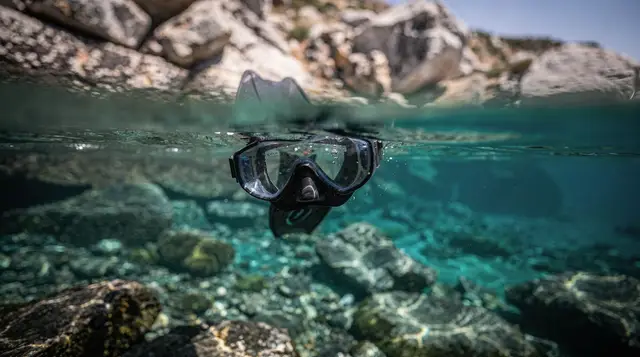
Divers and snorkellers based here should also look at the wider west-coast picture in Snorkelling and diving in Sicily, since the clear water around San Vito Lo Capo and the Zingaro reserve is some of the best on the island for both.
When to go
San Vito Lo Capo’s swimming season runs from late spring through early autumn, in line with the rest of Sicily’s coast — see Sea temperature in Sicily, month by month for what the water is actually doing across the calendar.
June and the first half of July offer warm water with a lighter crowd than peak August; the second half of September, after most summer travellers have left but before the sea has properly cooled, is another good window, complicated only by the fact that the Cous Cous Fest brings its own crowd to exactly that period. August itself, particularly the two weeks around Ferragosto, is the busiest stretch of the year by a wide margin — see Sicily in August for why that applies across the whole island, not just here.
Outside the swimming season, San Vito Lo Capo empties out considerably, and while the beach itself is still a pleasant walk, most of the seasonal restaurants and beach-facing businesses scale back or close, which changes the character of a visit substantially compared with a summer trip.
Evenings in town
Once the beach empties out, San Vito Lo Capo’s main street fills with the evening passeggiata typical of small Sicilian towns in summer — shops selling local sea salt, capers and sun-dried tomatoes from the wider Trapani coast stay open late, gelaterie do steady trade, and the restaurant terraces along the seafront and the streets just behind it are busiest from around 8pm onward. It is a lower-key evening scene than Taormina or central Palermo, closer in feel to a genuine small-town summer than a resort nightlife strip, which suits travellers who have already spent the day active on the water or on Monte Monaco’s paths and want an easy dinner rather than a big night out.
Practical notes for a first visit
A few things worth knowing before you arrive: sun protection matters more here than the postcard photos suggest, since the bay’s open exposure and reflective white sand mean sunburn arrives faster than on a shaded or rocky beach; a hat and reef-safe sunscreen are worth packing rather than buying at inflated beachfront prices once you arrive. Cash is still useful for smaller lidi and food stalls, even though card payment has become more common.
If you plan to walk any part of the Zingaro reserve or climb Monte Monaco, carry more water than feels necessary — there is very little shade and nowhere reliable to refill along either route. Finally, book accommodation well ahead for a July, August or Cous Cous Fest weekend stay; San Vito Lo Capo is a small town with a fixed number of rooms, and it sells out earlier than its size might suggest.
Combining a stay here with the wider trip
Travellers who want a beach-first week rather than a single day stop should look at A Sicilian beach week, which folds San Vito Lo Capo in alongside the Zingaro reserve and the wider west coast. For a shorter trip that still wants a proper beach day without giving up too much time elsewhere, pairing San Vito Lo Capo with a night or two in Trapani keeps travel times manageable while still reaching Erice, Segesta and the Egadi Islands ferry departures if an island detour appeals; see The Egadi Islands: Favignana, Levanzo, Marettimo for that option.
The honest bottom line
San Vito Lo Capo earns its reputation — the sand and the setting are genuinely among the best on the island for swimming rather than just scenery, and the Cous Cous Fest gives the town an identity beyond being another pretty beach. The catch is capacity: a small town built around one bay cannot absorb peak-season demand gracefully, and parking, beach space and accommodation all tighten at the same time every summer. Visiting in shoulder season, arriving early in the day during peak months, and treating the Zingaro reserve and the climbing routes as reasons to extend a stay rather than a single beach afternoon are the practical ways to get more out of it than the average day-tripper does.
If you only have one day here and want the best odds of a manageable beach, come outside July and August entirely if your schedule allows it, or accept that a summer visit means sharing genuinely excellent sand with everyone else who has read the same recommendation.
Beach and coastal trips on GetYourGuide
Verified deep-linked GetYourGuide tours. Book through these links and we earn a small commission at no cost to you.
Photo: our own image of the location, not the operator’s product photo.