The wildest of the three Egadi Islands
Marettimo sits furthest from Trapani of the three main Egadi Islands, and it looks and feels the part — steeper, more rugged and considerably less developed than Favignana or Levanzo, with a single small fishing village and a landscape that is otherwise largely wild. There are no real roads and effectively no cars beyond a handful of small service vehicles, and the combination of genuine hiking trails, a protected marine reserve coastline and a longer, quieter crossing keeps visitor numbers noticeably lower than its two neighbours.
This is precisely the appeal for the travellers who specifically seek Marettimo out: an island that has resisted the kind of tourist infrastructure Favignana has built up, offering something closer to what the whole Egadi archipelago might have looked like a few decades ago.
Hiking trails across genuinely varied terrain
Unlike Favignana’s flat, cycling-friendly geography, Marettimo is built on rugged limestone hills, and its network of hiking trails is the island’s main organised activity beyond the coastline itself — see hiking in Sicily for how it compares with the region’s other serious trails.
Routes range from relatively gentle coastal paths connecting the village to nearby coves, to more demanding climbs toward the island’s higher points, with sweeping views back across the whole Egadi archipelago and, on a clear day, toward the Sicilian mainland. Trails are generally well-marked but should be tackled with proper footwear, water and sun protection, since shade is limited across much of the exposed upper terrain, and the island’s small size means help is not always close at hand if something goes wrong on a remote stretch.
The old, partially ruined settlement structures found along some of the higher trails — remnants of a small permanent population that once worked this more marginal terrain before Marettimo’s economy consolidated around the coastal village — add a quiet historical layer to what is otherwise a purely scenic hike.
Sea caves and the marine reserve
Marettimo’s coastline is part of a large protected marine reserve, one of the most significant in Italy, and its waters are correspondingly clear and rich in marine life compared with much of Sicily’s more built-up coast. A scatter of sea caves along the island’s less accessible stretches — including the well-known Grotta del Cammello — are reachable only by boat, and a coastal tour is the standard way to see them, since no path along the shoreline connects them on foot.
A cave and cove tour of Marettimo covers this stretch of coastline directly, and a boat tour of the Marettimo marine reserve focuses more specifically on the protected waters and their marine life.
For a more exclusive pace, a private tour of the Marettimo marine reserve allows a slower, more flexible route around the coastline than a fixed-departure group tour, and a boat tour taking in both Favignana and Marettimo’s caves and bays is a useful option for travellers who want to combine the two islands’ coastlines in a single day from a Favignana base.
The village, and what little else there is
Marettimo’s small harbour village is the island’s only real settlement — whitewashed houses, a handful of family-run restaurants serving the local fish catch, and a scatter of simple guesthouses rather than anything resembling a resort. There is no significant historic monument or museum to speak of, in contrast to Favignana’s restored tonnara, and this absence is, again, largely the point: Marettimo’s appeal rests on landscape, water and quiet rather than curated sightseeing.
The castle above the village
On a rocky promontory above the harbour stands Castello di Punta Troia, a fortification with origins going back to Saracen and Norman-era defensive structures, later rebuilt and used by the Bourbon administration as a prison through the nineteenth century. The climb up to it is short but steep, and the views from the top — across the harbour, the village rooftops and out over the marine reserve’s clear water — are among the best on the island, making it a natural add-on to a morning spent otherwise on the coastal trails or a boat trip. Unlike Favignana’s restored tonnara, the castle has not been developed into a full museum experience, and visiting it is more about the setting and the walk than curated exhibits.
Diving around Marettimo
Marettimo’s stretch of the Egadi marine reserve is considered by many divers to be the richest of the archipelago’s protected waters, with a mix of underwater caves, reef walls and, in places, historic shipwreck sites reflecting the busy maritime traffic that has passed this stretch of the Mediterranean for millennia. Serious diving here is best arranged through a local operator with specific knowledge of the reserve’s sites and any seasonal restrictions, rather than attempted independently, given the more remote and less monitored nature of the island’s coastline compared with Favignana’s — see snorkelling and diving in Sicily for the wider regional picture.
Getting to Marettimo
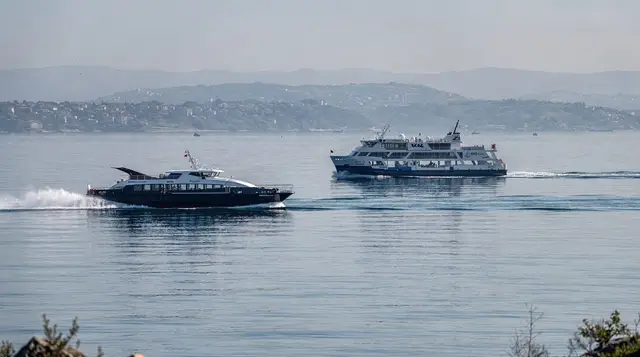
The crossing from Trapani to Marettimo is the longest of the three main Egadi routes, taking noticeably more time than the short hop to Favignana, though it remains far shorter than the open-water Aeolian Islands crossings from Milazzo. Both hydrofoils and slower ferries serve the island, with reduced frequency outside the summer months.
As with every island crossing around Sicily, sailings can be cancelled in genuinely rough weather, and given Marettimo’s more limited accommodation and dining options compared with Favignana, an unplanned overnight stay here is a real, if infrequent, possibility worth having a contingency for. Full detail on routes and combined-island options is in the Egadi Islands guide and the ferries and hydrofoils guide.
Marettimo compared to its neighbours
Against Favignana, Marettimo trades convenience, restaurant choice and cycling for hiking, quiet and a wilder coastline — a straightforward exchange most travellers can evaluate against their own priorities before committing a day or more to the longer crossing. Against Levanzo, the two islands share a lightly developed, quiet character, but Marettimo offers considerably more extensive hiking terrain, while Levanzo’s specific draw is its prehistoric cave rather than trail networks. Many visitors treat Marettimo as the most rewarding of the three for a second or third Egadi visit, once the more convenient sights on Favignana and Levanzo have already been covered.
How long to spend on Marettimo
A single day, combining a short hike from the village with a boat trip around the sea caves, covers a reasonable introduction to the island, and fits naturally alongside a longer western Sicily stay outlined in western Sicily in 5 days. Serious hikers, or travellers who specifically want the quiet and slower pace Marettimo offers, benefit from an overnight stay or longer, though this requires booking accommodation well ahead given how limited it is compared with Favignana. Given the longer crossing, a rushed same-day round trip from Trapani leaves less time on the island itself than the equivalent Favignana or Levanzo day trip would.
Common mistakes worth avoiding
The most frequent misstep is underestimating the crossing time and arriving with a tightly scheduled day that leaves too little time actually on the island once transit is accounted for. The second is attempting a demanding hike without adequate water, sun protection or proper footwear, given the limited shade and rugged terrain of the higher trails. The third is assuming Favignana-level restaurant and accommodation choice will be available on arrival — Marettimo’s options are genuinely narrower, and booking ahead, particularly for an overnight stay, avoids disappointment.
Frequently asked questions about Marettimo
Is Marettimo worth visiting if I’ve already seen Favignana?
Yes, particularly for travellers interested in hiking or a quieter, wilder alternative — it offers a genuinely different experience from its more developed neighbour.
How long does the ferry take from Trapani to Marettimo?
Longer than the crossing to Favignana or Levanzo, though still considerably shorter than the open-water Aeolian Islands crossings from Milazzo.
Can I drive or cycle on Marettimo?
No — the island has effectively no roads suited to cars, and its rugged terrain makes it less suited to cycling than flat Favignana.
Are the sea caves reachable on foot?
No, most require a boat tour to access, since no coastal path connects them.
Is Marettimo suitable for a day trip?
Yes, though the longer crossing means less time on the island itself compared with a Favignana or Levanzo day trip — an overnight stay suits serious hikers better.
Is accommodation easy to find on Marettimo?
Choice is considerably narrower than on Favignana, so booking ahead is sensible, especially for overnight stays in peak season.
What is the Grotta del Cammello?
One of Marettimo’s well-known sea caves, reachable by boat tour along the island’s rugged, less accessible coastline.
Is Marettimo part of a protected marine reserve?
Yes, its coastline forms part of one of Italy’s most significant marine reserves, with correspondingly clear water and rich marine life.
What is Castello di Punta Troia?
A fortification above Marettimo’s harbour with Saracen and Norman-era origins, later used as a Bourbon-era prison — a short, steep climb for some of the island’s best views.
Are there shipwrecks to dive around Marettimo?
Yes, historic wreck sites are among the attractions for divers exploring the island’s stretch of the marine reserve, best accessed through a local diving operator.
Is Marettimo a good choice for a quiet honeymoon or anniversary trip?
It suits travellers who want genuine seclusion and natural scenery over restaurants or nightlife — a good fit for a quiet, low-key celebration rather than a lively one.