The smallest inhabited island in the Egadi chain
Levanzo is the smallest of the three main Egadi Islands with a permanent population, and by some distance the quietest. Its single village, also called Levanzo, sits around a small harbour on the island’s southern coast, and beyond it there is little in the way of formal infrastructure — no real road network to speak of, a handful of guesthouses and restaurants, and a landscape that stays largely wild and rugged once you step past the last cluster of whitewashed houses.
Most visitors arrive as a day trip from Favignana or directly from Trapani, drawn overwhelmingly by a single, extraordinary attraction — see Sicily’s archaeological museums worth your time for how the island’s prehistory sits alongside its later Greek and Roman layers.
The Grotta del Genovese
The Grotta del Genovese, a cave on Levanzo’s rugged western coast, holds rock engravings and paintings dating back to the Upper Palaeolithic period, alongside later Neolithic additions — among the oldest known figurative art anywhere in the Mediterranean basin. The Palaeolithic engravings depict animals, including now-vanished local megafauna, scratched into the rock tens of thousands of years ago, while the later Neolithic layer adds painted human and animal figures in a noticeably different style, evidence of the cave’s use across a genuinely vast span of prehistory.
Access is strictly by guided visit, arranged in advance rather than as a casual walk-in — both to protect an irreplaceable and fragile site and because reaching the cave itself typically requires a boat, or a demanding walk across rough coastal terrain, neither of which is practical without local knowledge. Anyone planning a Levanzo trip specifically around the cave should book the visit ahead of arrival rather than assume same-day access will be available, particularly in peak season.
Beyond the cave: what else is here
Levanzo’s appeal beyond the Grotta del Genovese is deliberately modest — a small, unhurried village, a scatter of clear-water coves reachable on foot or by boat, and a level of quiet that neither Favignana nor the Sicilian mainland can really offer in high season. Cala Fredda and Cala Minnola are among the coves visited on boat trips around the island, generally combined with a stop near the cave itself.
A sunset boat tour of Levanzo with a gourmet aperitif is a pleasant way to see the coastline without the specific focus of a cave visit, particularly for travellers who have already booked the Grotta del Genovese separately or are visiting purely for the scenery and quiet.
There is genuinely little else in the way of formal sightseeing — no significant museums, no old-town monuments to speak of beyond the village’s low-key charm — and that absence of things to do is, for many visitors, exactly the point of coming here rather than staying on the busier neighbouring island.
A brief history behind the quiet
Levanzo’s modern population has always been small, and the island’s economy historically mirrored Favignana’s — tied to tuna fishing and, more recently, to the modest tourism drawn by the cave and the coastline. Unlike Favignana, Levanzo never developed a comparable industrial tuna-processing operation, and the island’s low population and limited flat land meant it stayed largely agricultural and fishing-based rather than industrial even at the height of the Egadi tuna trade.
That relative lack of development is, ironically, a large part of why the Grotta del Genovese survived largely undisturbed until its rediscovery and study in the twentieth century — a small, quiet island with little pressure to build over or repurpose its coastline. The same quiet that limited Levanzo’s economic development historically is now its main draw for visitors seeking a contrast to busier Favignana.
Diving and snorkelling around Levanzo
The waters around Levanzo form part of the same protected marine area that extends across the wider Egadi archipelago, and the island’s coves — quieter and less visited than Favignana’s — offer some of the clearest, calmest snorkelling in the group, particularly around Cala Minnola, which is also notable for Roman-era amphora remains scattered on the seabed, visible to snorkellers in shallow, clear water without requiring scuba equipment.
More serious diving around the island’s rockier northern coast is better arranged through an operator based on Favignana or Trapani, since Levanzo itself has minimal dedicated dive infrastructure — see snorkelling and diving in Sicily for how the Egadi Islands compare with other spots around the region.
Levanzo compared to Favignana and Marettimo
Against Favignana, Levanzo is quieter, smaller and far less developed — no cycling infrastructure, no restored industrial museum, and a fraction of the accommodation choice, trading all of that for the cave and a level of calm Favignana cannot match in season.
Against Marettimo, the comparison is closer: both are quiet, lightly developed islands, though Marettimo is larger, offers genuine hiking trails across a wider area, and has no cave to match the Grotta del Genovese’s specific draw. Most travellers treat Levanzo as a half-day or full-day addition to a Favignana-based stay rather than a standalone destination, which reflects its genuinely narrower range of things to do rather than any lack of appeal.
Getting to Levanzo
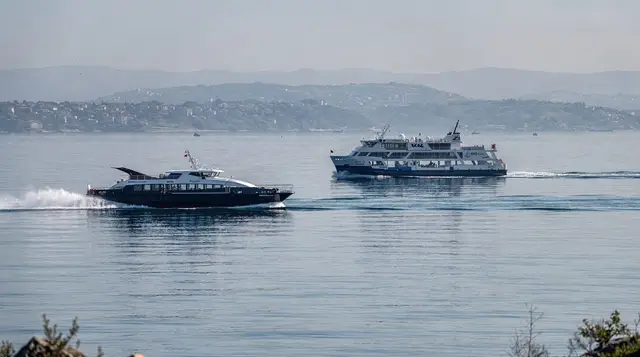
Levanzo is reached by a short hydrofoil crossing from Trapani or an even shorter hop from Favignana, both straightforward and generally reliable, though subject to the same weather-related cancellations that affect ferries and hydrofoils across Sicily’s islands in genuinely rough seas.
A boat tour to Favignana and Levanzo with tastings combines both islands in a single day, and a mini-cruise to Favignana and Levanzo is a similar combined option worth comparing on schedule and stops. A rib boat tour to either Favignana or Levanzo is a faster, more flexible alternative for travellers who want to choose their island on the day depending on conditions.
Full detail on the wider Egadi ferry network and combined-island options is in the Egadi Islands guide and the ferries and hydrofoils guide.
Why the ferry rule still applies
Levanzo’s crossing from Favignana or Trapani is short and generally more sheltered than the open-water legs of the Aeolian Islands further east, but it is not immune to cancellation. A genuinely rough day on Sicily’s west coast can still ground the smaller boats used for cave visits and coastal excursions specifically, even when the larger scheduled hydrofoils to Favignana continue running. Anyone with a pre-booked Grotta del Genovese slot should build in some flexibility around the date rather than treating it as an unconditional booking, and should not be surprised if a specific boat-based cave visit is rescheduled for sea-state reasons even on an otherwise calm-seeming day.
How long to spend on Levanzo
A half-day covers the essentials well: the boat or guided visit to the Grotta del Genovese, a swim at one of the nearby coves, and a slow lunch in the village before the return crossing. For where this fits alongside the rest of a western Sicily trip, see western Sicily in 5 days. A full day allows more time to explore the coastline by boat and to properly relax in the village rather than rushing between a cave slot and a return hydrofoil. Overnight stays are possible but limited in choice, and most visitors treat Levanzo as a day trip from a Favignana base rather than a place to sleep.
Common mistakes worth avoiding
The most consequential mistake is arriving on Levanzo without a pre-arranged Grotta del Genovese booking and expecting to walk in — access simply does not work that way, and travellers who skip the advance arrangement typically miss the cave entirely. The second is underestimating how little else there is to do, and arriving with a full day planned around sightseeing that does not exist on this particular island — Levanzo rewards a slower, less itinerary-driven approach far more than a checklist mentality. The third is skipping sun protection and water on the walk to or from the cave, since the terrain offers little shade and the walk itself can be more strenuous than expected.
Frequently asked questions about Levanzo
Do I need to book the Grotta del Genovese cave visit in advance?
Yes, access is by guided, pre-arranged visit only — arrive without a booking and you are very likely to miss it.
How old is the rock art in the cave?
The earliest engravings date to the Upper Palaeolithic period, with later Neolithic paintings added on top — among the oldest figurative art known in the Mediterranean.
Can I visit Levanzo without seeing the cave?
Yes, though most visitors come specifically for it — without the cave, Levanzo offers a quiet village and clear coves rather than a long list of formal sights.
How do I get to Levanzo?
By short hydrofoil from Trapani or an even shorter hop from Favignana, both generally reliable but subject to cancellation in rough weather.
Is Levanzo a good base for staying overnight?
Accommodation is limited compared with Favignana, so most visitors treat it as a day trip rather than an overnight base.
Is the walk to the Grotta del Genovese difficult?
It can be, over rough coastal terrain with little shade — many visitors reach it by boat instead, which is generally the more comfortable option.
Is Levanzo crowded in summer?
Considerably less so than Favignana, which is exactly its main appeal for travellers seeking a quieter Egadi experience.
What else can I do on Levanzo besides visiting the cave?
Swim at one of the quiet coves, take a boat tour of the coastline, or simply enjoy the slow pace of the small village — there is little formal sightseeing beyond that.
Are there Roman remains around Levanzo besides the cave?
Yes — Cala Minnola, one of the island’s coves, has ancient amphora fragments visible on the seabed to snorkellers, evidence of Roman-era maritime activity around the island.
Is Levanzo suitable for a family visit with children?
The cave visit works well for older children with an interest in prehistory, while the calm coves suit swimming at any age, though limited infrastructure makes it a better day trip than an extended family base.
How does Levanzo compare to Marettimo for a quiet getaway?
Both are quiet and lightly developed, but Marettimo offers more extensive hiking trails, while Levanzo’s specific draw is the prehistoric cave rather than trail networks.