How many days do you need in Sicily
How many days do you need in Sicily?
A week covers one region properly, ten days lets you connect two, and two weeks is enough for a genuine road-trip loop of the island. Three or four days only really works for a single city and its immediate surroundings.
Why the map lies about how long this takes
Sicily looks compact on a page — smaller than most US states, comparable to Wales or Massachusetts — and that visual impression is the single biggest reason first-time itineraries run into trouble. The island’s interior is mountainous, its road network outside the main autostrade relies heavily on two-lane provincial roads that wind rather than run straight, and several of its best-known attractions sit on islands that only ferries and hydrofoils reach, on schedules that can be cancelled by rough seas. A distance that looks like an hour on a straight line often takes ninety minutes to two hours in practice. Any answer to “how many days do I need” has to start from that, not from the size of the island on a map.
The rough shape of it, by length of stay
Three to four days is enough for one city and its immediate surroundings — Palermo with Monreale and Mondello as day trips, or Catania with Mount Etna. It is not enough for an itinerary that promises “the best of Sicily” across multiple regions; that framing sets up a trip spent mostly in the car.
Five days allows one coherent region done at a comfortable pace: the east with Taormina and Etna, or the southeast’s Baroque towns around Syracuse and Noto. Eastern Sicily in 5 days and western Sicily in 5 days both map this out in detail, and baroque towns and Greek temples in 5 days covers a southeast-plus-Agrigento combination for travellers whose priority is archaeology and architecture over beaches.
A week is the point where a first-time trip starts to feel unhurried rather than tight: one main region plus a genuine day trip or two, without needing to change accommodation more than once or twice. Sicily in 7 days is the standard shape for this; travellers whose priority is food and wine specifically can look at a Sicilian food and wine week, and beach-focused travellers at a Sicilian beach week.
Ten days is enough to connect two regions properly — say, the west and the southeast, or the east combined with a short Aeolian Islands detour — without the trip becoming a series of one-night stands in unfamiliar towns. Sicily in 10 days and Sicily and the Aeolian Islands in 10 days both work from this length.
Two weeks allows something close to a full-island loop, including time for at least one island detour, without every day being a driving day. Sicily in two weeks and the full Sicily road-trip loop are both built around this length. Even at 14 days, “all of Sicily” in the sense of every hill town, every archaeological site and every island is not realistic — the honest goal at this length is most of the major regions, not literally everything.
Rough driving times between the anchor points
These are approximate ranges under normal traffic and weather, by car on the main routes — expect more in peak summer traffic around the coastal resorts, and check current conditions before relying on any of them for a tight connection:
- Palermo to Catania: roughly 2 hours 45 minutes to 3 hours via the A19 autostrada.
- Palermo to Trapani: roughly 1 hour.
- Catania to Syracuse: roughly 1 hour.
- Catania to Taormina: roughly 45 minutes to 1 hour.
- Catania to Agrigento: roughly 2 hours.
- Trapani to Agrigento: roughly 2 hours.
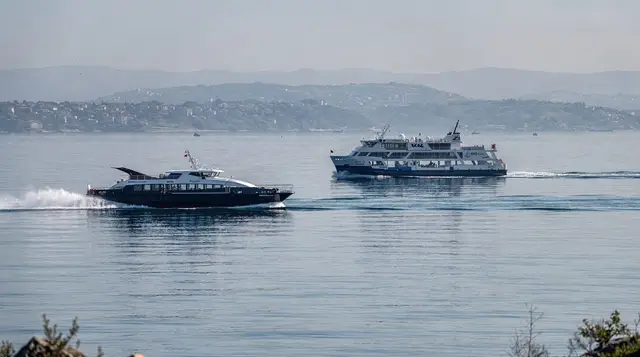
- Milazzo to the Aeolian Islands: variable by hydrofoil or ferry, typically 45 minutes to 2 hours depending on which island and which service.
None of these account for stops, and all of them lengthen if the route runs through a historic centre with a ZTL zone rather than around it — see ZTL zones and parking in Sicilian cities and driving in Sicily for what that means in practice.
What eats time that a first-time planner doesn’t expect
A handful of things routinely blow up an optimistic itinerary. Ferries and hydrofoils to the islands are not simply “an hour of travel” — they run on fixed timetables that may not align with your other plans, and they get cancelled outright in rough seas, which means an island day trip needs a buffer day built around it, not scheduled back-to-back with something else.
Archaeological sites like the Valley of the Temples or Selinunte are large and mostly unshaded, meaning a “quick visit” in summer heat routinely takes twice as long as planned once you factor in slower walking and shade breaks. And parking near historic centres is often a 10-15 minute walk from where you actually want to be, because so much of the old town itself is closed to cars under ZTL rules.
Single base versus a road-trip loop
Two basic shapes work for a Sicily trip, and the right one depends heavily on length of stay. A single base with day trips radiating out suits anything under a week and any traveller who dislikes repacking — you sacrifice reach for comfort. A road-trip loop, changing base every 2-3 nights, suits 10 days or more and covers considerably more ground, at the cost of time spent packing, checking out, and driving between stops. Where to stay in Sicily goes into which bases suit which regions, and Sicily by car or by public transport covers the alternative of a car-free trip built around trains and buses, which works for a narrower but still workable set of routes.
What to cut first when time is short
If a trip needs to shrink, cut in this order. First, cut the islands — the Aeolian and Egadi archipelagos both require a ferry connection that effectively consumes most of a day each way, and on a short trip that time rarely pays off relative to what else it displaces. Second, cut an entire region rather than trimming a little from each one; seeing one region properly beats skimming three. Third, within a region, cut the site that requires the longest detour off the main route rather than the one that’s simply less famous — driving time, not fame, should decide what goes. East or west Sicily and Palermo or Catania are both useful for making that first, biggest cut.
Matching duration to what you actually want
A trip built around Etna, Taormina and the east rewards five to seven days minimum, since the volcano alone is realistically a half-day to full-day commitment and pairs naturally with either Catania or Taormina as a base. A trip built around the Baroque southeast rewards a similar length, since Noto, Modica, Ragusa and Syracuse are close enough together to see without long drives but numerous enough to fill several days without repetition.
A trip built around archaeology — the Valley of the Temples, Segesta, Selinunte — pairs well with the west and south and benefits from cooler shoulder-season timing given how exposed those sites are; see best time to visit Sicily for the seasonal detail. Travellers whose main interest is the coast and islands should weight their trip length toward ferry buffer days rather than assuming island-hopping compresses neatly into a standard itinerary.
A sample week, day by day
To make the “a week is enough for one region” claim concrete, here’s roughly how a 7-day trip to eastern Sicily might break down: day 1, arrive in Catania, settle in and explore the city’s Baroque centre and fish market; day 2, Mount Etna, a half or full day depending on how far up the mountain you go; day 3, Taormina, the ancient theatre and the old town, staying overnight or as a long day trip; day 4, the Alcantara Gorges and a wine estate on the Etna wine road; day 5, transfer south to Syracuse and explore Ortigia; day 6, Noto and the Val di Noto Baroque towns as a day trip from Syracuse; day 7, a slower morning and departure, or an additional day trip to Modica or Ragusa if time allows.
This is one reasonable shape among many, not a fixed script — Sicily in 7 days lays out a full version with more day-by-day detail, and Catania and Etna in 3 days covers a shorter, more focused variant of the first half.
How the shoulder seasons change the pacing
The number of days you need doesn’t just depend on what you want to see — it depends on when you’re going. In peak summer heat, plan for a genuinely slower midday pace: a site visit that would take two hours in April might realistically take three in August once you factor in shade breaks and slower walking in the heat, which can quietly eat into how much a single day actually covers.
In the shoulder seasons of April-June and September-October, days can run more continuously since the weather cooperates, meaning the same itinerary can be paced somewhat tighter without feeling rushed. Winter adds its own variable: shorter daylight hours mean less time for outdoor sightseeing per day, even though driving conditions and crowd levels are both easier to manage. Sicily weather month by month covers this in full.
Combining regions without overreaching
For travellers with more than a week who want to combine two regions rather than deepen one, the most efficient combinations follow the island’s actual geography rather than an arbitrary split. East plus southeast (Catania/Taormina/Etna with Syracuse and the Baroque towns) works well because the drive between anchor points is under two hours. West plus Palermo (Trapani, Erice, Segesta with Palermo and Monreale) works similarly.
Combining, say, the far west with the far southeast in a single trip under two weeks tends to produce long transitional driving days that eat into sightseeing time disproportionately — better handled as two separate trips, or as the full road-trip loop at two weeks or more, which is built specifically to absorb that scale of transition. East or west Sicily covers this geographic logic in more depth.
What a rushed itinerary actually costs you
It’s worth being explicit about what happens when a trip is compressed too far: not simply “seeing less,” but a specific and avoidable kind of fatigue — checking in and out of accommodation every single night, eating rushed meals timed around a next stop rather than the trip’s own rhythm, and arriving at a marquee site tired from a long drive rather than ready to actually take it in. This is the practical argument for choosing one region over a compressed tour of the whole island on a short trip: not a purist’s preference, but a straightforward trade-off between distance covered and quality of the time spent at each stop.
Matching trip length to specific interests
Duration decisions get easier once tied to a specific interest rather than treated as an abstract number. A trip built primarily around food and wine benefits from a slower pace with fewer moves — five to seven days based in one or two towns, with time for cooking classes, market visits and unhurried, multi-course meals, rather than a packed sightseeing schedule, the way a Sicilian food and wine week is structured.
A trip built around archaeology and Baroque architecture rewards a slightly more structured week covering the Valley of the Temples, Selinunte or Segesta alongside the Val di Noto towns, since these sites benefit from cooler morning visits and a paced rather than rushed schedule, similar to baroque towns and Greek temples in 5 days. A beach-and-relaxation trip can work with less rigid daily planning altogether, since the core activity doesn’t require the same logistics as visiting timed archaeological sites, closer to the looser structure of a Sicilian beach week.
Honeymoon and special-occasion trips
For a honeymoon or another special-occasion trip, the calculus shifts slightly toward comfort and pacing over ground covered — a week at a slower pace, weighted toward one or two higher-comfort bases with excellent food and a scenic setting, tends to serve the occasion better than an ambitious multi- region loop. A Sicilian honeymoon week and Sicily in style: 7 luxury days are both built around this slower, comfort-first pacing rather than maximum coverage.
Multi-generational and group trips
Trips involving multiple generations or larger groups often benefit from more days than the same itinerary would need for two adults travelling at a brisk pace, simply because coordinating a larger group’s preferences, pacing and rest needs takes longer in practice than a couple moving at their own speed. Building in more slack per day, and choosing accommodation with more common space, tends to matter more for these trips than squeezing in an extra site.
The honest trade-off, restated
However this gets sliced by interest, occasion or group size, the underlying trade-off doesn’t change: more days means more ground covered comfortably; fewer days means a sharper, necessary choice about what to prioritise. Neither is a wrong way to visit Sicily — a tightly focused three-day trip to one city can be genuinely satisfying, just as a sprawling two-week loop can be. The mistake to avoid is mismatching ambition to available time, which is what turns either version into a frustrating one.
Frequently asked questions about how many days to spend in Sicily
Is 4 days enough for Palermo and Etna both?
Not comfortably. Palermo and the Etna-Catania area are roughly three hours apart by car, and 4 days split across both means one or two rushed half-days in each rather than a real visit to either. If both are priorities, look at 6-7 days minimum, or pick one for this trip and the other for a return visit.
How long should I spend on Mount Etna specifically?
Most visitors treat Etna as a half-day to full-day excursion from Catania or Taormina rather than an overnight stay, though a wine-focused visit to the Etna DOC area can reasonably fill a full day on its own. See Mount Etna: the complete visitor guide for how the pieces fit together.
Do the Aeolian Islands need their own dedicated days, or can they be a day trip?
They can be a day trip from Milazzo for one island, typically Lipari or Vulcano, but a day trip leaves very little slack if the return hydrofoil is delayed or cancelled by sea conditions. Staying at least one night on an island removes that risk and is the more common approach for travellers who make the Aeolians a real priority rather than an add-on.
Is it better to do fewer places for longer, or see more in a shorter time?
Fewer places for longer almost always produces a better trip in Sicily specifically, because so much of the time budget goes to driving rather than sightseeing. A trip that tries to touch six regions in ten days will spend more hours in the car than at any single destination.
How much time should I add if I’m travelling with kids?
Build in meaningfully more slack than a childless itinerary — shorter driving stretches, more frequent stops, and less back-to-back scheduling. Sicily with kids in 7 days is built around exactly this kind of pacing.
Does the time of year change how many days I need?
Not the number of days so much as how they’re spent. In peak summer heat, plan for a slower midday pace and more indoor or shaded time; in shoulder season, days can run more continuously since the weather cooperates better with a full day of sightseeing. See Sicily weather month by month for the detail behind that trade-off.
Trip-planning essentials on GetYourGuide
Verified deep-linked GetYourGuide tours. Book through these links and we earn a small commission at no cost to you.
Photo: our own image of the location, not the operator’s product photo.