Cycling in Sicily
Is Sicily a good place to cycle?
It depends entirely on where. Guided e-bike routes around Catania, the Madonie mountains, the Zingaro coast and Etna's lower slopes work well and are widely available. Self-guided road cycling on Sicily's main highways is a poor idea — narrow shoulders, fast traffic and inconsistent surfaces make most primary roads unsuitable for casual cyclists.
Sicily rewards cyclists who choose their terrain carefully
Cycling in Sicily is a story of two very different experiences depending on where you point the bike. Get it right — a guided coastal lane, a mountain park, a volcano’s lower slopes with an e-bike doing the hard work — and it is one of the more memorable ways to see the island, slower than a car and far less exhausting than walking the same distance. Get it wrong — improvising a route along the main coastal highway between towns, assuming Sicilian drivers give cyclists the space they might get in northern Europe — and it can be genuinely unpleasant and unsafe. This guide covers where cycling actually works, and is honest about where it doesn’t.
Why main roads are a poor choice for casual cyclists
Sicily’s primary road network was not built with cyclists in mind. Shoulders are often narrow or non-existent, surfaces vary from smooth to badly potholed within the same stretch, and traffic on routes connecting major towns moves fast, with drivers who are not used to sharing the carriageway with bikes. Combine that with summer heat and hilly terrain almost everywhere outside the coastal plains, and self-guided long-distance touring on Sicily’s main roads is not something this guide can recommend for casual or moderately experienced cyclists.
Experienced touring cyclists do complete cross-island routes, but they do so with route planning that deliberately avoids the busiest roads, which takes local knowledge most visitors do not have time to build. For anyone whose plan is “rent a bike and figure it out,” a guided route or a quieter, purpose-picked lane is a far better use of a single day.
City routes: an easy way in
The gentlest introduction to cycling in Sicily is a guided city tour, typically on flat or mildly rolling terrain, covering historic centres and coastline at a relaxed pace with a guide managing the route and any tricky junctions. Catania runs well-established options along its coastal roads and through parts of the historic centre; Palermo offers similar routes threading through its markets and along the seafront. These need no particular fitness and are a good way to cover ground that would otherwise mean a long, hot walk.
Catania: 4 Hour Guided Bike Tour is a representative example of this format in Catania — flat, guided, and aimed at a general audience rather than serious cyclists.
The Madonie: Sicily’s best cycling terrain
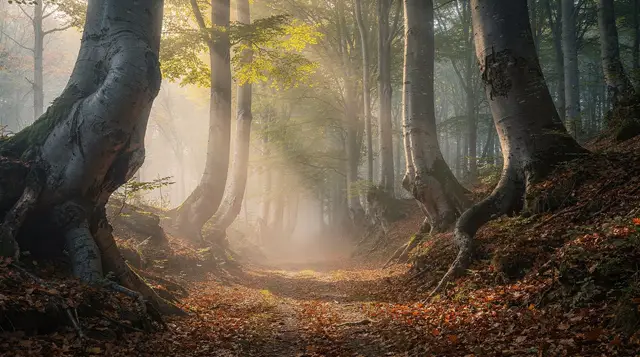
The Madonie mountains, inland from Cefalù, offer the most genuinely rewarding cycling terrain on the island for anyone who wants real scenery without main-road traffic. Forest roads and quieter lanes wind through beech woodland — part of a UNESCO-recognised primary beech forest — past mountain villages like Castelbuono, with the kind of elevation change that makes an e-bike worth considering even for reasonably fit riders.
This is mountain cycling, not a flat coastal spin, and the reward is proportional to the climbing: fewer crowds, cooler air at altitude, and a landscape that looks nothing like the Sicily most visitors photograph. For the fuller picture of what else the park offers beyond cycling, see The Madonie and Nebrodi parks.
Sicilian Madonie Bike Tours Discovering Nature covers a guided Madonie route aimed at exactly this — nature and terrain over speed.
The west coast: Zingaro and Scopello
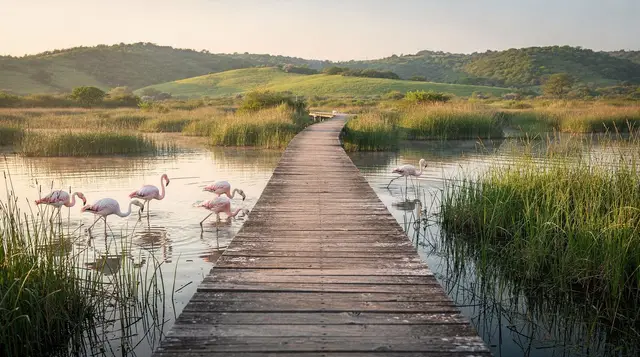
Around Scopello and the Zingaro reserve on the west coast, e-bike routes link Castellammare del Golfo to Scopello along quieter coastal lanes, with sea views that rival anything reachable by car and none of the parking hassle that comes with driving into Scopello’s small village centre in peak season. This is a good option for travellers who want scenery without the Madonie’s serious elevation gain — the terrain here is rolling rather than mountainous, which suits e-bikes and standard bikes alike.
From Castellammare to Scopello E-Bike Tour is a well-suited option for this stretch of coast, avoiding the need to find parking in Scopello itself.
Etna’s lower slopes: cycling on a volcano
Etna’s lower and middle slopes, largely on the south side around Rifugio Sapienza, are used for guided e-bike tours that combine cycling with a look at lava flows, craters and the volcanic landscape at a pace slower than a jeep tour but faster than walking. This is not a route to the summit — access above roughly 2,900 m is restricted to guided walking under the same volcanic-activity rules that apply to hiking, and cycling plays no part in reaching the actual crater zone. What it does offer is a genuinely different way to experience Etna’s mid-altitude terrain, with an electric assist doing much of the climbing work.
Serious road cyclists should also know that the paved ascent to Rifugio Sapienza has a real reputation within Italian competitive cycling as a demanding climb in its own right — a different proposition entirely from the guided e-bike tours aimed at general visitors, and one that experienced riders sometimes tackle independently by car-supported day trip from Catania.
Mount Etna: E-Bike Tour with Volcanologist Guide pairs the cycling with a guide who explains the geology as you go, useful context on terrain that otherwise just looks like grey rock and scrub.
What to wear and bring
Whatever route you choose, dress for the heat: light, breathable layers, sun protection, and more water than feels necessary, particularly on the Madonie and Etna routes where shade is limited and the exertion is real even with electric assistance. A helmet is standard-issue on guided tours; if renting independently, confirm one is included, since Italian law requires helmets for minors but not for adult cyclists, and rental shops do not universally supply them by default.
Combining cycling with the rest of a Sicily trip
Cycling rarely anchors a whole Sicily itinerary on its own — it works best as one day within a broader trip. A Madonie cycling day pairs naturally with a stay in Cefalù; a Zingaro coastal ride slots into time based around Trapani or Erice; an Etna e-bike tour sits comfortably alongside a Catania or Taormina base that also covers the volcano’s hiking and jeep options covered in Hiking in Sicily: the routes that are worth it and Quad, buggy and jeep tours on Etna.
For getting between bases in the first place, see Getting around Sicily and Renting a car in Sicily — a rental car remains the practical way to reach most cycling trailheads, since public transport rarely serves them directly.
Remember, too, that almost every Sicilian town centre enforces a ZTL (limited traffic zone) with automatic camera fines for unauthorised vehicles — irrelevant on a bike itself, but relevant for whoever drives you and your bike to the start point, and worth checking before parking near a historic centre like Cefalù or Castelbuono.
What a typical guided route actually covers
Most guided cycling tours in Sicily run three to five hours including stops, cover 15–30 km depending on terrain, and build in breaks at viewpoints, small producers or historic sites rather than treating the ride as pure exercise. On the Madonie routes, that often means a pause at a spot known for manna production near Castelbuono or Pollina — the traditional harvesting of ash-tree sap that has all but disappeared elsewhere in Europe — or a stop at a village bakery. On coastal routes near Scopello, stops tend to focus on viewpoints over the Zingaro reserve’s cliffs rather than food. Check what a specific tour includes before booking if the stops matter to you as much as the riding.
Group size and pace
Guided tours vary considerably in group size, from small groups of four to six up to larger parties of fifteen or more on the more commercial city routes. Smaller groups generally move at a more flexible pace and allow more individual attention on technical sections like the Madonie’s climbs; larger groups on flatter city routes are less affected by this. If pace matters to you — either because you want to go faster or because you are travelling with a less confident cyclist — ask about typical group size and whether the operator splits faster and slower riders before booking.
Frequently asked questions about cycling in Sicily
Can you rent a bike in Sicily?
Yes, in most tourist towns and cities, usually as standard bikes or e-bikes through local rental shops and tour operators rather than a citywide bike-share scheme. E-bikes are the more common option for hillier routes like the Madonie or Etna’s lower slopes.
Is it safe to cycle on Sicilian roads?
Main roads and highways are generally unsuitable for casual cyclists — narrow or absent shoulders, fast traffic and drivers unaccustomed to sharing the road with bikes. Guided routes and quieter rural or coastal lanes are a much safer bet than improvising a route on a main road.
Do you need an e-bike to cycle in the Madonie or on Etna?
Not strictly, but it helps considerably. Both areas involve real elevation gain, and an e-bike lets less experienced cyclists complete routes that would otherwise require a serious level of fitness, without changing the itinerary.
What is the best area in Sicily for cycling?
For scenery and manageable gradients, the Madonie mountains and the coastal lanes around Castellammare del Golfo and Scopello are the most rewarding. For an easy, mostly flat ride, city tours around Catania and Palermo cover historic centres and coastline with minimal climbing.
When is the best time to cycle in Sicily?
April to June and September to October, for the same reason as hiking — July and August routinely push inland temperatures past 35°C, and climbing in that heat is unpleasant and genuinely risky without careful pacing and hydration.
Can you cycle up Mount Etna?
Parts of the lower and middle slopes are used for e-bike tours with guides, but the true summit approach above roughly 2,900 m is off-limits to cycling and restricted to guided walking due to volcanic activity regulations. Etna is also a genuine road-cycling challenge for very fit riders on the paved roads leading up to Rifugio Sapienza, a route with a real reputation in Italian cycling circles.
Hiking and outdoor activities on GetYourGuide
Verified deep-linked GetYourGuide tours. Book through these links and we earn a small commission at no cost to you.
Photo: our own image of the location, not the operator’s product photo.