Health, pharmacies and insurance in Sicily
Do I need travel insurance for Sicily?
EU/EEA/Swiss visitors get state healthcare access via the EHIC or UK GHIC, but travel insurance is still recommended for costs those cards don't cover. Visitors from outside that system should treat travel insurance with medical cover as essential, not optional.
The practical health picture, not the alarming one
Health planning for a Sicily trip is mostly about ordinary preparation rather than serious risk: the right insurance in place, knowing how the pharmacy system works, and taking sun and heat seriously in summer. This guide covers each in practical terms, aimed at getting the preparation right before you leave rather than needing it improvised on the ground.
Emergency number
The single emergency number across Sicily, as across the EU, is 112. It connects to police, medical or fire services depending on the nature of the emergency and works consistently across the whole country, not just Sicily specifically. It’s worth having this number in mind (or saved) before you need it rather than searching for it under pressure.
Insurance: EHIC, GHIC and travel cover
For EU, EEA and Swiss citizens, the European Health Insurance Card (EHIC), or the UK’s equivalent Global Health Insurance Card (GHIC) post-Brexit, provides access to necessary state healthcare in Italy at the same cost as an Italian resident would pay — a genuinely valuable safety net, but not a complete substitute for travel insurance. It doesn’t cover repatriation, private healthcare, lost or delayed luggage, or trip cancellation, all of which a standard travel insurance policy typically covers. The practical recommendation is to bring the EHIC/GHIC if eligible and still take out travel insurance alongside it.
For visitors from outside the EU/EEA/Swiss system — the US, Canada, Australia, New Zealand and others — Italian state healthcare is not free at the point of use in the way it is for EHIC holders, which makes travel insurance with solid medical cover considerably more important rather than a nice-to-have. Check that any policy covers the specific activities planned — hiking, boat excursions, driving — since some policies exclude or require add-ons for adventure-adjacent activities.
Pharmacies: a genuinely useful first stop
Italian pharmacies (farmacia, marked with a green cross, often illuminated) are a more useful first stop for minor ailments than many visitors expect, since Italian-trained pharmacists can advise on and dispense a range of things over the counter that would require a prescription in other countries — useful for common travel issues like minor stomach upset, sunburn, insect bites or a headache.
Outside normal opening hours, Sicily operates a rotating farmacia di turno (duty pharmacy) system: on any given night or holiday, one pharmacy in a local area stays open on rotation, with the current duty pharmacy typically posted in the window of the closed pharmacies nearby, or listed online or through the local comune. This is worth knowing about specifically, since it’s the practical route to medicine outside standard daytime hours rather than assuming nothing is open.
Sun and heat: the realistic top risk
For most visitors, sun and heat exposure — not illness or injury in the conventional sense — is the most likely practical health issue on a Sicily trip, particularly in summer and at exposed, largely unshaded sites. The Valley of the Temples and Selinunte are both good examples of sites where walking distance, heat and minimal shade combine to catch visitors off guard, sometimes leading to real heat exhaustion rather than just discomfort.
The fixes are straightforward and covered in more detail at what to pack for Sicily: hydration throughout the day rather than only when thirsty, timing strenuous outdoor activity for morning or late afternoon rather than midday, and consistent sunscreen reapplication rather than a single morning application.
Food and water
Tap water in Sicily is generally safe to drink, in restaurants, hotels and most public taps, unless a specific tap is marked “non potabile” (not drinkable), which does occur at some rural or decorative fountains and is worth respecting when signed. Seafood is a genuine strength of Sicilian cuisine, and the standard shellfish-freshness caution that applies anywhere in the world applies here too — nothing Sicily-specific beyond ordinary common sense about eating at busy, well-reviewed establishments rather than places with obviously slow turnover. Sicilian seafood: tuna, swordfish and sea urchin covers what’s genuinely worth seeking out.
Mosquitoes and minor nuisances
Mosquitoes are a genuine summer-evening nuisance in parts of Sicily, particularly near standing water or in the evening in coastal towns, but they represent an ordinary comfort issue rather than a serious health risk for the vast majority of visitors. A standard repellent is worth packing as a comfort measure; there’s no need to treat this as a significant medical concern out of proportion to what it actually is.
Hospitals and out-of-hours care
Hospitals (ospedale) in Sicily’s main cities handle anything serious, and standards are broadly in line with the rest of Italy and western Europe. For issues that don’t require a hospital but fall outside normal pharmacy or GP-level care, a guardia medica (an out-of-hours local medical service, primarily aimed at residents but sometimes accessible to visitors with a genuine need) sits between a pharmacy visit and a hospital trip. For anything genuinely serious or urgent, calling 112 and letting emergency services triage the situation is the right first step rather than trying to self-diagnose which level of care is appropriate.
Prescriptions and existing medical needs
Visitors with regular prescription medication should bring enough supply for the full trip plus a reasonable buffer, kept in original packaging with the prescription or a doctor’s note where possible, since matching an unfamiliar medication to an Italian equivalent at a local pharmacy can be more complicated than simply having enough of your own. This is worth sorting before departure rather than assuming it can be handled easily on the ground if something runs short.
A short pre-departure checklist
Before leaving: confirm travel insurance is arranged and covers your planned activities; pack the EHIC/GHIC if eligible, alongside insurance rather than instead of it; bring any regular prescription medication in sufficient supply and original packaging; and build sun and hydration habits into the trip from day one rather than after the first uncomfortable afternoon. None of this is complicated, but it’s easier to sort out at home than mid-trip.
Choosing the right insurance policy
Not all travel insurance policies are equivalent, and it’s worth checking a few specifics before assuming a standard policy covers everything a Sicily trip might involve. Confirm whether the policy covers activities like hiking on Etna, boat excursions to the islands, or driving a rental car, since some policies exclude or require add-ons for adventure-adjacent or “hazardous” activities that may include things as ordinary as a guided volcano walk.
Confirm the medical coverage limit is realistic for the cost of private healthcare in Italy if needed, and that repatriation cover is included, since this is one of the costs EHIC/GHIC specifically doesn’t address. Comparing two or three policies against these specific criteria, rather than picking the cheapest by headline price alone, is time well spent before departure.
Sun protection as genuine health management, not just comfort
It’s worth reiterating sun protection here specifically as a health matter rather than only a comfort one: repeated, unprotected sun exposure across a multi-day trip compounds in a way that a single bad sunburn on day one doesn’t fully capture, and heat-related illness, while uncommon in its more serious forms, is one of the more realistic ways a Sicily trip could actually require medical attention. Building sunscreen reapplication, a hat, and planned shade breaks into the daily routine from day one, rather than reactively after discomfort sets in, is the practical difference between an uneventful trip and one interrupted by a genuinely unpleasant day or two.
Mental wellbeing and pacing
Less commonly discussed but worth a brief mention: heat, unfamiliar food timing, jet lag and a packed itinerary can combine to affect mood and energy levels more than travellers expect, particularly on longer trips. Building in genuine rest days, rather than treating every day as another sightseeing opportunity, is a reasonable and often underrated way to protect both physical and mental wellbeing across a trip of a week or more. How many days you need in Sicily touches on pacing from the itinerary side.
Health considerations for specific activities
A few specific activities in Sicily carry their own health considerations worth planning around. Etna excursions above the lower slopes involve genuine altitude, cold and physical exertion, and travellers with respiratory or cardiac conditions should discuss the specific demands with a doctor before booking a guided ascent — Mount Etna: the complete visitor guide describes what the physical demands actually involve.
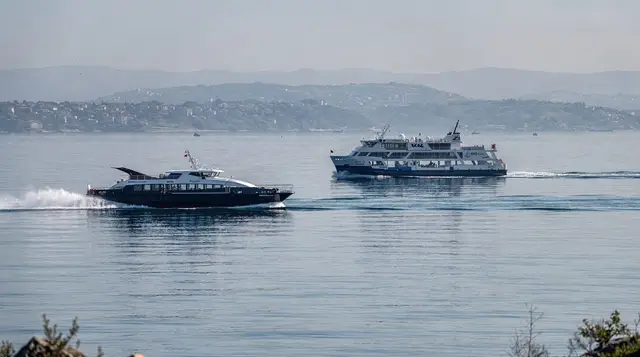
Boat trips and ferry crossings to the islands can be uncomfortable for those prone to seasickness, particularly on rougher-sea days when crossings still proceed; over-the-counter motion sickness remedies, taken in advance rather than once symptoms begin, are worth packing if this is a concern. Hiking routes such as the Zingaro reserve or Cava Grande del Cassibile involve real physical exertion in summer heat, and travellers with any relevant health conditions should pace accordingly and carry more water than feels strictly necessary.
Travelling with existing health conditions
Travellers managing an existing health condition — diabetes, a heart condition, severe allergies — should carry a doctor’s letter describing the condition and any necessary medication or equipment, particularly for anything that might otherwise need explaining at a pharmacy or, in an emergency, to unfamiliar medical staff. A medical alert bracelet or card, in Italian or with a translation, is a worthwhile addition for conditions that could affect emergency treatment decisions if the traveller is unable to communicate directly.
Pregnancy and travel to Sicily
Sicily presents no unusual barriers to travel during pregnancy beyond the standard precautions recommended for travel generally at any stage of pregnancy — checking with your own doctor before the trip, being mindful of Etna excursions or strenuous hikes if advised against exertion, and factoring in Sicily’s summer heat specifically, which can be more taxing during pregnancy than in a cooler climate. As with any destination, individual medical advice from your own doctor should take precedence over general guidance in a travel guide.
Health and safety, considered together
Health and physical safety overlap in a few practical places worth mentioning alongside each other: is Sicily safe: an honest answer covers the mafia question, petty theft and driving safety, none of which are strictly health topics but all of which feed into the same overall preparation as insurance and pharmacy planning — a well-prepared trip treats both together rather than as unrelated categories. Similarly, what to pack for Sicily covers the physical items (sunscreen, a first-aid kit, appropriate footwear) that support the health guidance in this article in practical, packable form.
Health considerations for older travellers
Older travellers, and anyone managing an existing condition affected by heat or exertion, should pace itineraries with extra care during Sicily’s hotter months, prioritising shaded or air-conditioned breaks during the middle of the day and being realistic about which archaeological sites’ walking distances and lack of shade are manageable. None of Sicily’s major sites are inherently unsuitable for older travellers, but the honest advice is to build in more rest than a younger traveller’s itinerary might include, and to confirm accessibility specifics using accessible travel in Sicily where mobility is also a factor.
A pre-trip health checklist, pulled together
Bringing the guidance above into one short list: confirm travel insurance covers your planned activities and includes repatriation; pack the EHIC/GHIC alongside insurance if eligible, not instead of it; bring sufficient prescription medication in original packaging plus a doctor’s note for anything that might need explaining; build sun and hydration habits in from day one rather than after the first uncomfortable afternoon; know that 112 is the number to call in any genuine emergency; and know that a pharmacist, identifiable by the green cross sign, is usually the fastest, most useful first stop for anything short of a genuine emergency.
When to seek help versus when to self-manage
A useful rule of thumb: minor discomfort — sunburn, an upset stomach, a headache, a small cut — is reasonably managed with a pharmacy visit and common sense. Anything involving significant pain, difficulty breathing, a suspected fracture, or symptoms that worsen rather than improve over a day or two warrants a call to 112 or a visit to a hospital rather than continued self-management. Trusting this judgement, rather than either over-reacting to minor discomfort or under-reacting to something more serious, is the practical skill this whole guide is really pointing toward.
Health planning as part of overall trip preparation
Health and insurance planning is easiest to handle as part of the same pre-trip checklist as everything else covered in this planning series — booking accommodation, sorting a rental car, confirming visa or ETIAS status if applicable. Treating it as a distinct, easily deferred task (“I’ll sort insurance closer to the date”) is how it most often gets rushed or skipped; folding it into the same early-planning session as flights and accommodation tends to produce a more complete, less stressful set of preparations overall.
Keeping copies of everything
A final practical habit worth building in: keep digital copies of your insurance policy, EHIC/GHIC if applicable, and any prescription documentation stored somewhere accessible without needing your physical bags — an email to yourself, a secure cloud folder, or an offline-saved note. In the specific situation where this actually matters, a lost bag or a phone left in a taxi, having this information accessible from any device turns a genuinely stressful moment into a manageable one.
Frequently asked questions about health and insurance in Sicily
Do I need any vaccinations for Sicily?
No routine travel vaccinations beyond standard, up-to-date domestic immunisations are required for Sicily specifically. Check current guidance from your own country’s health authority before travel, since recommendations can be updated.
Can I fill a foreign prescription at a Sicilian pharmacy?
Not always directly — availability and naming of medications differ between countries. Bringing enough of your own supply, plus a note of the generic (non-brand) name of any medication, makes it easier for a local pharmacist to help if needed.
Is dental care available for visitors in Sicily?
Yes, private dental clinics operate in all major towns and cities, generally at rates comparable to or below equivalent care in the US or UK, though this isn’t covered by the EHIC/GHIC and would need travel insurance or direct payment.
How common is heatstroke among visitors?
Not common in the severe sense, but heat exhaustion and dehydration-related discomfort are genuinely frequent among visitors who underestimate summer heat, particularly at exposed archaeological sites. Basic precautions largely prevent this.
Should I worry about food allergies eating out in Sicily?
Communicate allergies clearly, ideally in Italian or with a translated allergy card, since awareness and labelling practices vary by establishment. Larger towns and more tourist-oriented restaurants tend to handle this more smoothly than very small, traditional trattorias.
Is it easy to find English-speaking doctors in Sicily?
More reliably so in larger cities like Palermo and Catania than in small towns. For anything serious, hospital staff in main cities generally include at least some English-speaking capacity, though this isn’t guaranteed everywhere.
Trip-planning essentials on GetYourGuide
Verified deep-linked GetYourGuide tours. Book through these links and we earn a small commission at no cost to you.
Photo: our own image of the location, not the operator’s product photo.