Sicily’s southernmost outpost, closer to Africa than to Sicily
Lampedusa is the largest of the Pelagie Islands, a small archipelago that also includes Linosa and the uninhabited islet of Lampione, and it sits further south than almost anywhere else considered part of Italy — closer to the coast of Tunisia than to mainland Sicily. That remoteness is central to what makes the island distinctive: exceptionally clear water, a genuinely different landscape from the volcanic Aeolian and Egadi archipelagos, and a level of separation from the rest of Sicily that shapes everything from the crossing time to the pace of daily life on the island.
Unlike Pantelleria, which shares some of that remote, closer-to-Africa character, Lampedusa’s coastline is defined by pale limestone rather than volcanic black rock, and its beaches — most famously Rabbit Beach — are genuinely sandy, closer in character to the Egadi Islands’ Cala Rossa on Favignana than to anything found further north. Full detail on the island beyond this page is in the Lampedusa guide.
Rabbit Beach, and why access is contingented in summer
Spiaggia dei Conigli, known internationally as Rabbit Beach, is regularly named among the best beaches in Italy and often ranks among lists of the best in Europe — a crescent of pale sand backed by low cliffs, facing a small offshore islet across a channel of startlingly clear, shallow water. The beach’s fame is well earned on pure scenery alone, but it is also a protected nesting site for loggerhead sea turtles (Caretta caretta), and access during the nesting and hatching season is managed and can be restricted or limited to protect the nests and hatchlings — a genuinely important conservation measure rather than a bureaucratic inconvenience, given how sensitive turtle nesting sites are to disturbance.
Even outside any specific nesting restrictions, Rabbit Beach gets seriously crowded in peak season, and the walk down from the car park, combined with limited shade once there, makes an early arrival far more rewarding than a midday visit. A tour of the Tabaccara promontory, a similarly striking stretch of coastline nearby, offers an alternative or complement to Rabbit Beach itself, generally with fewer crowds and comparably clear water.
Loggerhead turtles beyond the beach
Lampedusa’s importance to loggerhead turtle conservation extends beyond Rabbit Beach itself — the island hosts a rescue and rehabilitation centre for injured and sick turtles found around Sicily’s waters, reflecting the wider Mediterranean significance of the nesting sites here. Visitors interested in marine conservation can often learn more about this work locally, and the general etiquette around nesting season — keeping well back from any marked or roped-off sections of beach, not using bright lights near the shore at night, and following any posted guidance — is worth taking seriously rather than treating as an inconvenience to route around.
Boat trips around the coast
Much of Lampedusa’s most striking coastline — sheer cliffs, sea caves and secluded coves — is only properly visible from the water, and a boat trip is the standard way to see it beyond the main beaches. A boat tour with lunch on board covers a full day around the island’s coastline, and a boat cruise with swimming stops and a traditional Italian lunch is a similar full-day option worth comparing on route and stops.
For a different pace, a sunset gulet trip with an aperitif and dinner, including dolphin watching extends the day into the evening, when the light along the limestone cliffs is at its best.
Linosa, and the wider Pelagie archipelago
Linosa, the second inhabited Pelagie island, sits a genuine crossing away from Lampedusa and offers a markedly different, volcanic landscape — black and red rock rather than Lampedusa’s pale limestone, closer in character to a small Aeolian island than to its own archipelago neighbour. It sees a fraction of Lampedusa’s visitor numbers and has correspondingly less tourist infrastructure, making it a deliberate add-on for travellers who want an even quieter, more remote stop rather than a default day trip. A scheduled boat ticket between Lampedusa and Linosa covers the crossing directly, generally as a half-day or full-day round trip depending on the timetable in force when travelling.
Diving and snorkelling
Lampedusa’s water clarity, a product of its limestone coastline and distance from mainland pollution sources, makes it one of the better snorkelling and diving destinations in the whole Sicilian orbit — see snorkelling and diving in Sicily for how it compares to other spots around the region. Straightforward snorkelling straight off many of the island’s coves requires no special arrangement, while more serious diving — around underwater caves, reef walls and the clear channel facing Rabbit Beach’s offshore islet — is best arranged through a local operator familiar with current conditions and any seasonal access considerations near protected turtle nesting areas.
Weather and the best time to visit
June through September offers the warmest, most swimmable water, with July and August bringing the heaviest crowds, the highest prices and the fullest accommodation — a combination that makes June and September the more comfortable shoulder-season alternative for travellers who can be flexible, as covered in more general terms in the best time to visit Sicily and Sicily in summer. Spring and autumn outside those months see the island considerably quieter, with cooler water and a more limited range of open restaurants and tour operators, workable for travellers prioritising solitude over consistent warm-weather swimming.
Getting to Lampedusa
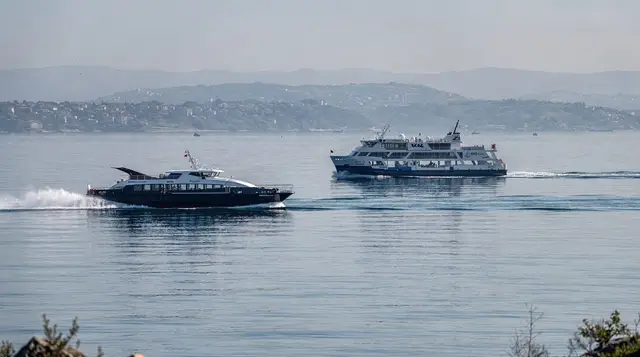
Lampedusa is reached either by ferry, a long open-water crossing from Porto Empedocle, near Agrigento on Sicily’s south coast, that takes considerably longer than any of the other island crossings covered on this site, or by flight, which for most visitors — given the sailing time involved — is the more practical option.
As with every ferry crossing around Sicily, sailings can be delayed or cancelled by rough seas, a pattern covered in general terms in the ferries to Sicily guide and the ferries and hydrofoils guide, and Lampedusa’s genuinely long, exposed crossing makes this a more significant planning factor than on the shorter Egadi Islands routes. Anyone relying on the ferry rather than flying should build real flexibility into the schedule at both ends of the trip.
Why Lampedusa feels different from the rest of Sicily’s islands
Lampedusa’s remoteness — geographically part of Sicily but culturally and physically closer to North Africa — gives it a genuinely different atmosphere from the volcanic Aeolian or Egadi archipelagos, or even from Pantelleria. The pale limestone landscape, the clear turquoise water more reminiscent of parts of the Caribbean or the Balearic Islands than of Sicily’s own coastline, and the sheer distance from the rest of the region all contribute to a sense of having genuinely left Sicily behind rather than simply hopping to a nearby island.
This is a large part of the appeal for travellers who specifically seek the island out, and also the reason a visit demands more commitment — in time and in flexibility around transport — than a short island add-on elsewhere in Sicily.
Beyond Rabbit Beach: the rest of the coastline
While Rabbit Beach draws the most attention, Lampedusa’s broader coastline offers plenty beyond it — Cala Pisana and Cala Croce are among the quieter coves reachable by road or a short walk, generally with far fewer visitors than the island’s signature beach, and the Tabaccara promontory and its surrounding waters rival Rabbit Beach for clarity without the same crowds or nesting-season restrictions. Renting a scooter or small car is the most practical way to reach these spots independently, since public transport on the island is limited and many of the best coves sit some distance from the main town — see renting a car in Sicily for the general logistics, which apply here as much as on the mainland.
Where to stay and eat
Lampedusa’s main town, also called Lampedusa, holds the bulk of the island’s accommodation, restaurants and services, with a harbourfront lined with places serving the local fish catch alongside the broader Sicilian seafood repertoire. Expect prices somewhat above the Sicilian mainland average, a function of the island’s remoteness and the logistics of getting supplies here by boat or plane rather than deliberate overcharging. Accommodation books out well ahead for July and August, when the island’s relatively limited bed count comes under real pressure from both Italian and international visitors.
How long to stay
Because reaching Lampedusa takes real commitment — whether a long ferry crossing or a flight — a short one- or two-day visit rarely feels worth the effort involved in getting here. Three to five days allows proper time for Rabbit Beach, a boat trip around the coastline, a day trip to Linosa, and enough slack to work around any weather-related transport disruption without wrecking the whole trip. For how this fits alongside the rest of a Sicily trip, see how many days you need in Sicily and, for a beach-focused week that could pair with it, a Sicilian beach week.
Common mistakes worth avoiding
The most frequent mistake is arriving at Rabbit Beach in the middle of the day in peak season and finding it seriously crowded, with limited shade and no shortcut around the walk down from the car park — an early start is the single most effective way to actually enjoy it. The second is underestimating the ferry crossing time from Porto Empedocle and treating it like a short island hop; for most itineraries, flying is the more time-efficient choice. The third is disregarding posted guidance during turtle nesting season, both out of respect for a genuinely important conservation effort and because access restrictions are enforced rather than symbolic.
Frequently asked questions about Lampedusa
Is Rabbit Beach always accessible?
Not unconditionally — access can be managed or restricted during the loggerhead turtle nesting and hatching season to protect the nests, so check current status if visiting specifically for the beach.
How do I get to Lampedusa?
By a long ferry crossing from Porto Empedocle on Sicily’s south coast, or by flight, which suits most itineraries better given the length of the sea crossing.
Is Lampedusa part of Sicily?
Administratively yes, though geographically it sits closer to Tunisia than to the Sicilian mainland, giving it a genuinely distinct character from the rest of the region.
What are the Pelagie Islands?
The small archipelago comprising Lampedusa, Linosa and the uninhabited islet of Lampione, of which Lampedusa is the largest and most visited.
Is Linosa worth visiting as a day trip from Lampedusa?
Yes, for travellers who want a markedly different, volcanic landscape and a much quieter, less developed island experience.
Do I need a car on Lampedusa?
A rental scooter or small car is genuinely useful for reaching quieter coves beyond Rabbit Beach, given limited public transport on the island.
Why is Rabbit Beach protected?
It’s an important nesting site for loggerhead sea turtles, and access measures during nesting season are a genuine conservation effort rather than a bureaucratic formality.
How many days should I plan for Lampedusa?
Three to five days is realistic, given the commitment involved in reaching the island and the range of coastline, boat trips and a possible Linosa day trip worth including.