Sicily in summer
What is Sicily like in summer?
Hot and busy. Inland areas regularly exceed 35°C with heatwave spikes above 40°C in July and August, coastal towns are a few degrees cooler, beaches and island ferries are at their most crowded and expensive, and archaeological sites offer little shade at midday.
Summer rewards a plan built around the heat, not against it
Sicilian summer photographs beautifully and behaves ruthlessly. Between roughly mid-June and early September, the island delivers long, dry, sunny days and a genuinely swimmable sea, but it also delivers inland heat that regularly passes 35°C and occasionally spikes above 40°C, alongside the densest crowds and highest prices of the year. Visitors who plan their days around the heat — early starts, coastal bases, midday downtime — tend to have a better trip than those who try to run a normal sightseeing schedule straight through the hottest hours. This guide covers what a realistic summer trip looks like, month by month within the season and by region.
For the wider seasonal picture, see The best time to visit Sicily. If your trip lands specifically in August, Sicily in August and Ferragosto covers that period’s specific complications in more depth than this page does.
June: the gentler edge of summer
June is arguably the best single month for travellers who want summer conditions without summer’s full crowd and heat load. Days are reliably warm rather than extreme, the sea has generally warmed enough to swim comfortably (see Sea temperature in Sicily, month by month for specifics), and school holidays across most of Europe have not yet started, keeping domestic and international visitor numbers below the July-August peak. Archaeological sites like Segesta and Selinunte are still walkable at a reasonable hour without the sun becoming dangerous, provided you go early.
July: full heat, rising crowds
July is when the heat becomes a genuine planning factor rather than a background detail. Inland towns and shadeless archaeological parks regularly pass 35°C, and heatwaves push well above 40°C in bad years. Coastal towns such as Cefalù, Taormina and Mondello run several degrees cooler thanks to onshore breeze, which is a large part of why so many summer itineraries base themselves on the coast rather than inland. Crowds rise through the month but stay below the August peak, making the first three weeks of July a reasonable middle ground for travellers who cannot avoid summer dates entirely.
August: peak everything, and Ferragosto
August compounds July’s heat with the year’s highest prices, fullest ferries, most crowded beaches, and — specifically around 15 August, Ferragosto — a public holiday when Sicilians themselves travel to the coast en masse. City-centre businesses in Palermo and Catania commonly close for several days around the date, even as coastal towns and the islands become their busiest. This is detailed further in Sicily in August and Ferragosto, which is worth reading in full if your dates are fixed to this month.
Managing the heat, practically
Archaeological sites and ruins — Valley of the Temples, Selinunte, the Neapolis park in Syracuse — offer almost no shade. Visiting at opening time, generally 8-9am, rather than midday makes the difference between a manageable walk and a genuinely uncomfortable one. Bring water, a hat, and sun cream regardless of how short the visit looks on paper.
Cities like Palermo and Catania trap heat in stone streets during the day but cool somewhat in the evening, which is when much of Sicilian summer social life happens anyway — late dinners, evening passeggiata, markets running into the night. Structuring sightseeing around morning and early evening, with an indoor or shaded midday break, suits the local rhythm as much as it suits your comfort.
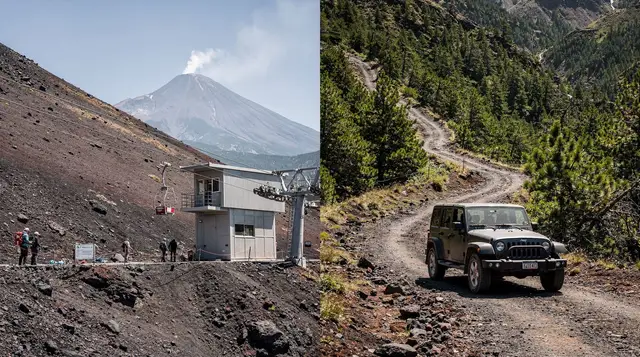
Mount Etna runs a genuinely different climate to the coast. Even in August, altitude drops temperatures 15-20°C below Catania’s heat, and wind is near-constant above roughly 2,000 metres — a windbreaker is not optional gear here even in high summer. Catania: Mount Etna Sunset Jeep Tour times the ascent for cooler late-afternoon light specifically because midday heat on the lower slopes is significant even before the cold upper mountain. Access above roughly 2,900 metres continues to depend on current volcanic activity and requires a licensed guide regardless of season; see Mount Etna: the complete visitor guide for the full picture.
The islands in summer: busy, and weather-dependent
The Aeolian Islands and Egadi Islands are at their most accessible in summer — most hotels and beach clubs on the smaller islands only operate from roughly May/June to September/October — but also at their most crowded and expensive, with ferries filling up well ahead of departure and Panarea in particular feeling saturated in August.
Aeolian Islands: Tour from Milazzo by Motorboat is a reasonable way to sample the archipelago without committing to overnight island accommodation, useful if you are travelling in the busiest weeks and want flexibility. Ferries and hydrofoils remain weather-dependent year-round; summer storms are rarer than winter ones but crossings can still be delayed, so build in slack around any island day trip. See Ferries and hydrofoils around Sicily for how this works in practice.
Beaches and the coast in high season
Sicily’s best-known beaches — San Vito Lo Capo, Isola Bella below Taormina, Cefalù — fill up by mid-morning in July and August, and the distinction between lidi (paid beach clubs with sunbeds and facilities) and free public stretches becomes more relevant than at any other time of year; see Lidi or free beach: how Sicilian beaches work for that system.
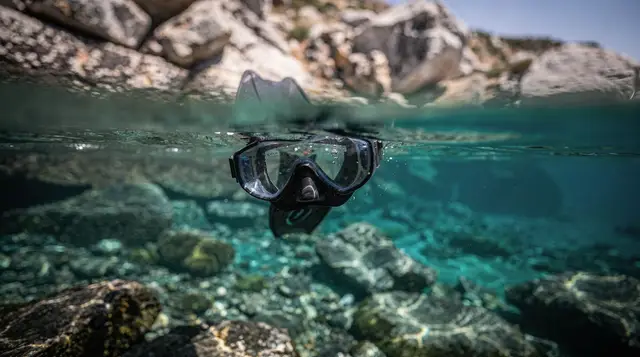
From Catania: Exclusive Tour of Taormina and Isola Bella with a Stop for a Swim and Cefalù: Boat Tour with Snorkeling and Aperitif both offer a way to reach coastal and beach areas by boat rather than fighting for parking and beach access on land, which is a genuine consideration at peak season. For a fuller regional overview, see The best beaches in Sicily, region by region and, for families specifically, The best family beaches in Sicily.
Driving and getting around in the heat
Cars in Sicily are not always well air conditioned, especially older rentals, and mountain and inland roads offer little relief from direct sun. Driving in Sicily and Renting a car in Sicily cover the practical side, including ZTL restricted zones that apply regardless of season — the summer heat does not suspend the automated camera fines for driving into a historic centre without authorisation. If your itinerary is mostly city-based, Sicilian trains and buses avoid the parking search entirely, a real advantage in July-August’s crowded centres.
Who summer suits, and who it does not
Summer suits travellers whose priority is beach time, boat trips, swimming and evening social life, and who are comfortable adjusting their schedule around the hottest hours. It suits families with older children who want guaranteed sea temperature and long daylight. It is a weaker fit for anyone planning long days of walking through shadeless ruins or extensive inland driving without air conditioning breaks, and for travellers who specifically want to avoid crowds — for that profile, see The best time to visit Sicily for the shoulder-season alternative, or Sicily in spring and Sicily in autumn for milder options either side of summer.
Families in summer: what changes
Summer is the most popular season for family trips, largely because it lines up with school holidays across most of Europe and guarantees warm sea and long daylight. The heat, however, is a real factor for younger children and older relatives, and the same midday-avoidance strategy that helps adults matters even more here: plan the beach or pool for late morning and late afternoon, keep the hottest two or three hours for an indoor break, ice cream, or a slow lunch, and avoid long midday walks at shadeless archaeological sites entirely.
See Sicily with kids and Family-friendly tours in Sicily for formats built around this rhythm, and What to do in Sicily when it rains for the rare wet-weather contingency, since summer storms, while uncommon, do occasionally happen.
Evenings: where Sicilian summer actually happens
Given the daytime heat, a large share of Sicilian summer social life shifts to the evening: markets and street food stalls that run into the night, extended restaurant hours, and a passeggiata culture that fills city squares and seafronts once the temperature drops.
Palermo after dark and Catania nightlife both run at their fullest through summer, and outdoor festivals and concerts cluster in this window too — see Summer festivals in Taormina and Sicilian festivals month by month for what specifically falls in this period. Building an itinerary that treats the evening as prime time, rather than an afterthought following a full day of sightseeing, tends to suit the season better.
What actually breaks a summer itinerary
The most common planning mistake in a Sicilian summer trip is scheduling a full day of inland driving and multiple outdoor stops back to back, then wondering why the day felt exhausting rather than enjoyable. A more realistic structure limits outdoor, shadeless activity to one substantial block per day, keeps driving distances honest rather than optimistic, and treats air-conditioned time — whether a car, a museum, or a long lunch — as part of the plan rather than a failure to keep moving. See Getting around Sicily for how driving times compare with the rest of the year; summer does not change distances, but it does change how much you can comfortably do around them.
Regional heat differences worth planning around
Not all of Sicily gets equally hot in summer. The interior — around Enna, Caltanissetta and inland stretches of the Madonie — regularly runs hotter than the coast, since there is no sea breeze to take the edge off the afternoon.
Coastal cities such as Palermo, Catania and Syracuse are more bearable, and the islands add their own sea-moderated microclimate on top of that, generally staying a touch cooler in the height of the day than the mainland coast opposite them. If your summer itinerary can be weighted toward the coast and islands rather than long inland stretches, it will feel considerably more comfortable for the same number of days.
A realistic sample day in July or August
A workable summer day often looks like this: an early start, ideally before 9am, for any outdoor sightseeing or a swim while the beach is still uncrowded; a long, unhurried lunch through the hottest hours, indoors or in shade; a quieter afternoon that might include a museum, a nap, or simply staying near water; and an evening that runs late, covering dinner, a walk, and whatever else the town has going on after dark. Trying to compress a typical shoulder-season itinerary — several sites, a hike, a market visit and a beach stop — into one July day is the most common way summer trips go wrong. Spreading the same list across more days, with fewer big outdoor blocks each day, tends to produce a better trip overall.
Solo travellers and safety considerations in summer
Summer’s long evenings and busy public spaces generally make solo travel around Sicily’s cities and coastal towns straightforward, with crowds providing a natural safety buffer that thinner winter crowds do not. The main practical concern is heat management rather than personal safety specifically — staying hydrated, pacing outdoor time, and not underestimating how quickly midday sun affects someone walking alone with no one to flag a problem early. See Is Sicily safe? An honest answer and Solo travel in Sicily for the wider picture, most of which holds steady across seasons, with summer’s heat as the one factor that specifically needs extra attention.
Summer’s specific upside: long, reliable daylight
Whatever else summer costs in heat and crowding, it delivers the year’s longest and most reliable daylight, with usable evening light lasting well past 8pm through June and July. This matters practically for itineraries that want to combine a full daytime schedule with an evening boat trip, sunset viewpoint, or a late dinner without the day feeling rushed. Catania: Mount Etna Sunset Jeep Tour is built specifically around this long light window, timing the ascent so the cooler late-afternoon temperature and the sunset itself align. Shoulder-season visitors trade some of this daylight margin for cooler, more comfortable daytime conditions — a fair exchange depending on what your itinerary actually needs each day.
Accessibility in summer heat
Heat adds a specific consideration for travellers with mobility needs: uneven, shadeless archaeological sites become considerably harder going in direct midday sun, and shorter, earlier visits matter more here than at almost any other time of year. Planning around the cooler parts of the day is worth doing deliberately rather than as an afterthought if heat sensitivity is a factor. See Accessible travel in Sicily for the wider picture.
Summer packing, beyond the obvious
Beyond light clothing and sun protection, a few less obvious items make a real difference in a Sicilian summer: a portable fan or cooling towel for long car journeys without strong air conditioning, a reusable water bottle you can refill often rather than relying on buying bottled water all day, and closed shoes for any archaeological site with loose gravel or uneven ancient paving, even in the heat. See What to pack for Sicily for the fuller list, and treat sun protection as a daily habit rather than a one-off application, given how much outdoor time a typical Sicilian summer itinerary involves.
Frequently asked questions about Sicily in summer
How hot does it get in Sicily in summer?
Inland towns and archaeological sites commonly pass 35°C in July and August, with heatwave spikes above 40°C. Coastal cities like Palermo and Catania run several degrees cooler thanks to sea breeze, and the sea itself reaches around 26-27°C in August.
Is July or August worse for crowds?
August, decisively, mainly because of Ferragosto on 15 August, when Sicilians themselves travel to the coast in large numbers. July is busy but noticeably calmer than the two weeks bracketing Ferragosto.
Can you visit archaeological sites in summer without dying of heat?
Yes, if you go early. Sites like the Valley of the Temples or Selinunte open early morning and have almost no shade, so an 8-9am visit followed by an indoor or coastal afternoon works far better than a midday visit.
Are the Aeolian and Egadi islands crowded in summer?
Very, especially in August. Ferries fill up, accommodation prices peak, and popular stops like Panarea can feel saturated. Booking ferry crossings and accommodation well in advance is essential for a summer island trip.
What should I pack for a Sicilian summer?
Light, breathable clothing, a hat, high-factor sunscreen, and a refillable water bottle. If your trip includes Mount Etna, bring a windbreaker regardless of the heat below, since the upper mountain runs 15-20°C cooler than the coast.
Is it worth visiting Mount Etna in summer?
Yes, but plan for a cooler, windier upper mountain than the coastal heat suggests, and check current access conditions, since routes above roughly 2,900 metres depend on volcanic activity and always require a licensed guide.
The bottom line
Summer works well if you build the day around the heat rather than fighting it: early starts for anything outdoors, coastal bases over inland ones, a midday break, and evenings for the parts of Sicilian life that genuinely come alive after dark. June is the gentlest month within the season; if your dates are flexible at all, favour it or push into September over booking deep into August. If August is your only option, read Sicily in August and Ferragosto before you finalise plans, and book island ferries and any accommodation near 15 August well ahead of time.
Seasonal experiences on GetYourGuide
Verified deep-linked GetYourGuide tours. Book through these links and we earn a small commission at no cost to you.
Photo: our own image of the location, not the operator’s product photo.