An island that belongs to Sicily but sits closer to Africa
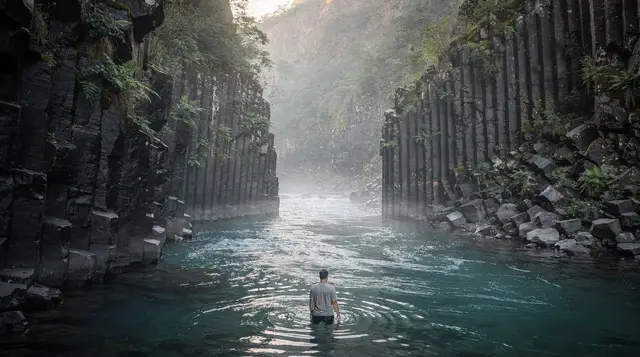
Pantelleria is, geographically, a genuine outlier among Sicily’s islands: it sits closer to the coast of Tunisia than to Sicily itself, a fact that shapes its architecture, its climate and its whole sense of remoteness. Unlike the Aeolian or Egadi islands, Pantelleria has no conventional sand beaches at all — the entire coastline is volcanic rock, a black, jagged shoreline punctuated by coves, natural pools and thermal springs rather than the pale sand found on mainland Sicily.
This is not a shortcoming to plan around so much as the island’s defining character: Pantelleria is for travellers drawn to volcanic landscape, wind, wine and quiet rather than a conventional beach holiday. For a fuller comparison of the two, see Pantelleria in the boat islands guide, and for the other volcanic outpost furthest from mainland Sicily, Lampedusa.
Dammusi: the island’s signature architecture
The dammuso, a squat, thick-walled stone dwelling with a distinctive domed roof, is Pantelleria’s most recognisable architectural feature and the form most visitor accommodation takes on the island. Originally built to cope with the island’s strong winds and intense summer heat — thick lava-stone walls insulate against both, and the curved roof channels scarce rainwater into a cistern — dammusi have been restored in large numbers as holiday rentals over recent decades, ranging from simple, traditional single-room structures to considerably more comfortable modernised versions with pools and gardens attached.
Staying in one is, for many visitors, as much a part of the Pantelleria experience as any single sight on the island, and it’s worth choosing a dammuso specifically rather than defaulting to a conventional hotel room if this architectural character is part of the draw.
Lago Specchio di Venere: swimming without a beach
Lago Specchio di Venere — the Mirror of Venus lake — is a crater lake formed inside an extinct volcanic vent on the island’s northern side, and it functions as Pantelleria’s answer to a conventional beach: warm, mineral-rich water, said locally to have skin benefits from its sulfurous content, and a genuinely striking setting inside the walls of the old crater. It’s one of the most visited and most photographed spots on the island, and swimming here is a different experience from a sea swim — warmer, stiller, and with a faint mineral smell that some visitors find pleasant and others find a bit much, similar in character to the mud pools found on Vulcano in the Aeolian Islands, though without the mud itself.
Passito di Pantelleria and the zibibbo grape
Pantelleria’s other defining export is wine, specifically Passito di Pantelleria, a sweet dessert wine made from the zibibbo grape (a local name for Muscat of Alexandria), dried in the sun before pressing to concentrate its sugars into a rich, amber wine traditionally served with almonds or a simple dessert rather than alongside a savoury meal. The tradition of dry-stone terraced vineyards, hand-tended on a windswept volcanic island with minimal soil, was recognised by UNESCO as an Intangible Cultural Heritage practice — a rare distinction for an agricultural method rather than a finished product, reflecting how genuinely demanding viticulture is here compared with more sheltered wine regions.
A premium wine tasting with local food pairing is a straightforward way to understand both the wine and the effort behind it, ideally paired with a visit to one of the terraced vineyard areas itself. For how it fits into the wider picture of Sicilian wine, see Sicilian wine explained by grape and region and Sicilian wine tours compared.
Hiking and the volcanic interior
Pantelleria’s interior, dominated by Montagna Grande, its highest point, and a scatter of smaller volcanic features, offers genuine hiking terrain — trails through dwarf woodland, past old dry-stone terraces and volcanic vents still gently venting steam in places, with views across the island and, on a clear day, toward the Tunisian coast.
A hiking tour of Pantelleria’s national park covers this terrain with a guide who can point out both the geology and the island’s traditional land use, and a guided volcanic trekking tour including a natural spa stop combines the hike with one of the island’s thermal features — steam vents (favare) or natural saunas formed in volcanic fissures, a genuinely distinctive Pantelleria experience not replicated elsewhere in Sicily.
A history shaped by wind and successive empires
Pantelleria’s name is widely understood to derive from an Arabic phrase evoking “daughter of the wind,” a fitting label for an island whose weather has shaped its architecture, its agriculture and its whole rhythm of life more directly than almost anywhere else in Sicily. Long before Arab rule, the island supported a Bronze Age culture that left behind the sesi — megalithic funerary monuments, concentrated in the Mursia archaeological area on the island’s western coast — among the oldest built structures anywhere in this part of the Mediterranean.
Phoenician, Roman, Byzantine, Arab and later Sicilian rule each left traces in place names and building styles, and the dammuso itself is thought to carry North African architectural influence, a visible reminder of how closely Pantelleria’s history is tied to the coast just across the water rather than exclusively to mainland Sicily.
What to eat beyond the wine
Pantelleria’s cuisine draws on the same volcanic terroir that shapes its wine — capers, grown across the island in conditions similar to Sicily’s other volcanic outposts, and cucunci, the pickled caper berries specific to this style of local cooking, turn up constantly on menus alongside fish and the zibibbo grape in both wine and dried, raisin form. Ravioli pantesco, a ricotta and mint-filled pasta distinct from mainland Sicilian versions, is one of the island’s specific culinary calling cards, and worth seeking out over a more generic pasta dish. As with the rest of Sicily’s smaller islands, expect prices somewhat above the mainland average, reflecting the logistics of a genuinely remote outpost rather than deliberate overcharging.
Do you need a car on Pantelleria?
Unlike Favignana, where a bicycle covers most needs, Pantelleria’s larger size, hillier terrain and stronger winds make a rental car or scooter considerably more practical for most visitors, particularly those planning to reach Lago Specchio di Venere, the hiking trailheads around Montagna Grande, and the more remote coves independently rather than through organised tours. Public transport exists but is limited, and most visitors staying more than a couple of days find a rental vehicle worth the cost — see renting a car in Sicily for the general logistics.
Getting to Pantelleria
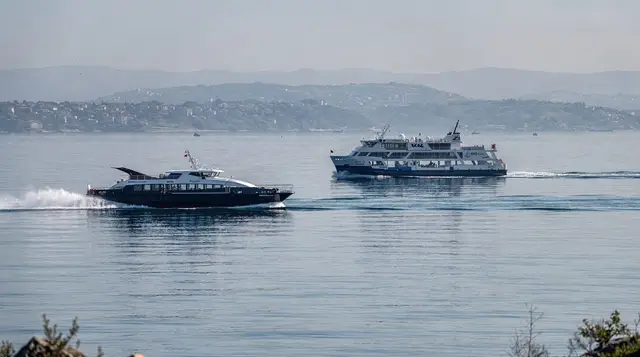
Pantelleria is reached primarily by ferry from Trapani, a considerably longer crossing than any of the Egadi Islands routes given the greater distance involved, or by flight, which for many visitors — given the sailing time — is the more practical option depending on where the rest of a Sicily trip is based.
As with every island crossing around Sicily, ferry sailings can be affected by rough seas — see the ferries and hydrofoils guide for the general pattern — and Pantelleria’s more exposed position and longer open-water crossing make this a real factor to plan around rather than a remote possibility, particularly outside the calmer summer months. A boat tour around the island with lunch on board is a good way to see the coastline once you’ve arrived, taking in coves and volcanic rock formations not easily reached on foot.
The wind, and why it matters here more than elsewhere
Pantelleria is genuinely one of Sicily’s windiest islands, a factor that shaped the dammuso’s thick-walled architecture and the low, wind-sheltered form of its traditional dry-stone vineyard terraces. This wind is a real practical consideration for visitors too: it can affect ferry crossings independently of wave height, and it makes some coastal activities — particularly boat trips to more exposed stretches of coastline — weather-dependent in a way that calmer islands are not. Anyone visiting specifically for watersports or boat-based activities should build flexibility into the schedule accordingly.
Diving and the coastline by boat
Pantelleria’s volcanic coastline continues underwater, and diving around the island reveals lava formations, underwater fumaroles still gently venting in places, and generally excellent visibility thanks to the absence of the sediment and run-off that affect some more built-up coastal areas. A private tour of the island by traditional gozzo boat with a skipper is a good way to see the coastline at a slower, more flexible pace than a fixed-departure group tour, taking in coves and rock formations that are otherwise only visible from the water — see the boat trip options above for booking a similar excursion.
Common mistakes worth avoiding
The most frequent one is arriving expecting a conventional beach holiday and being disappointed by the absence of sand — Pantelleria rewards travellers who come for its volcanic landscape, wine and architecture rather than a beach-first itinerary. The second is underestimating the ferry crossing time from Trapani and treating it like a short Egadi hop; it is considerably longer, and a flight may suit a shorter trip better. The third is skipping a dammuso stay in favour of a conventional hotel, missing what many consider the single most distinctive part of visiting the island.
How long to stay
Pantelleria rewards a longer stay than a typical island day trip — three to five days allows time for the crater lake, a proper hike into the interior, a wine tasting and enough slack for the wind and sea conditions to cooperate with a boat trip. A shorter visit of a day or two is possible but rushed, given the longer crossing time involved in reaching the island at all. For how it might fit alongside a longer Sicily trip, see how many days you need in Sicily and, for the sweet-wine tradition it shares in spirit with Etna’s own vineyards, the Etna wine guide makes an interesting mainland comparison.
Frequently asked questions about Pantelleria
Does Pantelleria have sand beaches?
No — the entire coastline is volcanic rock, and swimming spots are coves, natural pools and the crater lake rather than conventional sand beaches.
What is a dammuso?
A traditional thick-walled, domed-roof stone dwelling native to Pantelleria, originally built to cope with strong wind and heat, now widely restored as holiday accommodation.
Is Pantelleria closer to Tunisia than to Sicily?
Yes, geographically it sits closer to the Tunisian coast, which shapes both its climate and its sense of remoteness from the rest of Sicily.
What is Passito di Pantelleria?
A sweet dessert wine made from sun-dried zibibbo grapes, produced using a traditional dry-stone terraced viticulture method recognised by UNESCO.
How do I get to Pantelleria?
By ferry from Trapani, a considerably longer crossing than the Egadi Islands routes, or by flight, which may suit a shorter visit better.
Is Lago Specchio di Venere safe to swim in?
Yes, it’s a popular and generally safe swimming spot, though the water is mineral-rich and has a distinct sulfurous smell that not everyone finds pleasant.
Is Pantelleria windy?
Yes, notably so — a defining feature of the island that shapes its architecture and can affect ferry crossings and some boat-based activities.
How many days should I plan for Pantelleria?
Three to five days is a realistic minimum given the longer crossing and the range of hiking, wine and coastal activities worth including.
What are the sesi at Mursia?
Bronze Age megalithic funerary monuments on Pantelleria’s western coast, among the oldest built structures in this part of the Mediterranean and evidence of the island’s long pre-Roman history.
Do I need a car on Pantelleria?
Most visitors find one worth renting, given the island’s larger size, hillier terrain and stronger winds compared with the flatter, more compact Egadi Islands.
What is ravioli pantesco?
A local ricotta and mint-filled pasta specific to Pantelleria, distinct from mainland Sicilian ravioli and worth seeking out over a generic pasta order.
Is Pantelleria a good honeymoon or quiet-getaway destination?
Yes, for travellers drawn to a dramatic volcanic landscape and slower pace over a conventional beach-resort setting — its dammusi in particular suit a romantic, secluded stay.