Sicily in August and Ferragosto
What is Sicily like in August?
The hottest, busiest and most expensive month of the year. Inland heat regularly exceeds 35°C, the sea peaks around 26-27°C, and Ferragosto on 15 August sees Sicilians themselves travel to the coast, with many city-centre businesses in Palermo and Catania closing for several days around that date.
The one month where planning ahead is not optional
August is Sicily’s most demanding month by almost every measure: the hottest weather, the highest prices, the fullest ferries, and — specifically around 15 August, Ferragosto — a public holiday that reshapes how the island itself functions for several days. None of this makes August a bad time to visit outright, but it is the one month where arriving without a plan causes real problems rather than minor inconvenience. This guide covers what August specifically involves, separate from the broader summer picture in Sicily in summer, and what Ferragosto changes in practice.
What Ferragosto actually is
Ferragosto, on 15 August, is a public holiday with roots going back to the Roman Feriae Augusti, and it remains one of the most significant dates in the Italian summer calendar. In Sicily, as across much of Italy, it is the point at which the whole country effectively goes on holiday at once: Sicilians who live and work in cities travel to the coast, to family homes, or to the islands, and the assumption that “someone is always working” briefly stops being true in a lot of urban settings.
For visitors, the practical result is twofold — coastal towns and islands become considerably busier than even the rest of August, while some city-centre businesses, particularly smaller, family-run shops and restaurants in Palermo and Catania, close for several days around the date.
Heat: August at its peak
August holds the year’s highest temperatures alongside July, with inland areas and archaeological sites regularly passing 35°C and heatwave conditions occasionally pushing above 40°C. Sea temperature peaks too, generally around 26-27°C, which is one of the month’s genuine upsides if swimming is a priority. Coastal towns run cooler than the interior thanks to sea breeze, which is part of why so many August itineraries lean toward the coast rather than inland Sicily; see Sicily weather month by month for the fuller monthly comparison.
Prices and booking pressure
August, and especially the two weeks bracketing Ferragosto, carries the year’s highest accommodation and car rental prices, and the tightest availability. This is a direct consequence of both international tourist demand and domestic Italian travel converging on the same weeks. If your dates are fixed to August, book accommodation, car rental and any ferry crossings as far ahead as realistically possible — this is the one month where “sort it out when we get there” genuinely risks a much more expensive or logistically difficult trip. See What a week in Sicily actually costs for how August pricing compares with the rest of the year.
Ferries and the islands in August
The Aeolian and Egadi Islands are at their most crowded and expensive in August, with ferries and hydrofoils filling up well ahead of Ferragosto specifically. Aeolian Islands: Tour from Milazzo by Motorboat is a reasonable way to see the archipelago without needing overnight island accommodation, useful given how tight island lodging becomes in this window. If an overnight island stay is part of your plan, book it as early as any part of an August trip — popular stops like Panarea are routinely fully booked well in advance of mid-August. See Ferries and hydrofoils around Sicily for the wider network this sits within.
Beaches in August
Sicily’s best-known beaches — San Vito Lo Capo, Cefalù, Isola Bella below Taormina — reach their fullest capacity in August, with popular spots filling by mid-morning throughout the month and crowding intensifying further right around Ferragosto, when domestic beachgoers add to the usual international visitor numbers.
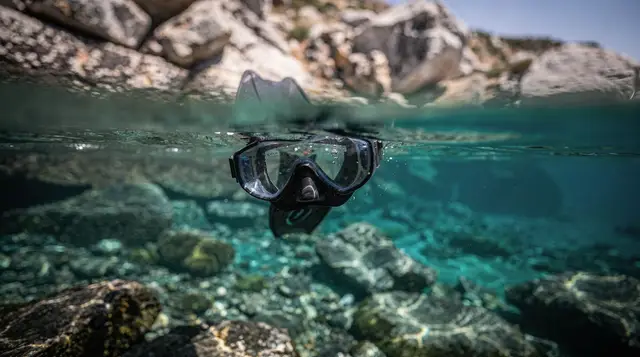
Cefalù: Boat Tour with Snorkeling and Aperitifoffers a way to access the coastline by water rather than competing for beach and parking space on land, a genuine consideration in this specific window. See Lidi or free beach: how Sicilian beaches work for how the paid-beach-club system handles peak demand.
What stays open, and what does not
Tourist-facing restaurants, hotels and attractions in the main visitor areas generally continue operating through Ferragosto, since that is precisely when their business is busiest. The closures that catch visitors out are usually smaller, family-run establishments in residential parts of cities like Palermo and Catania, where the owners themselves are among the Sicilians travelling for the holiday. If a specific restaurant or shop matters to your plans, checking its opening hours around 15 August specifically, rather than assuming normal August hours apply, avoids a wasted trip.
Mount Etna in August
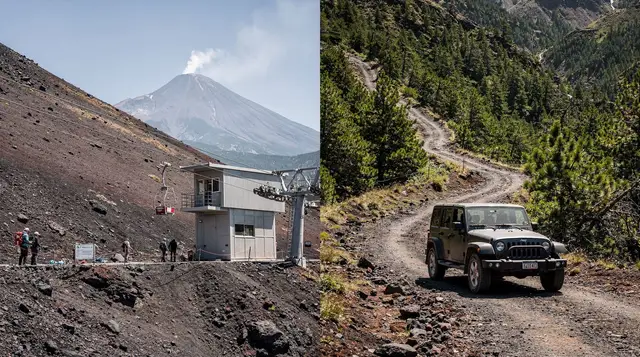
Mount Etna offers a genuine escape from coastal August heat, since altitude drops temperatures 15-20°C below the coast, with near-constant wind above roughly 2,000 metres. Catania: Mount Etna Sunset Jeep Tour times the ascent for cooler late-afternoon conditions specifically, useful in a month when midday heat even on the lower slopes is significant. Access above roughly 2,900 metres continues to depend on current volcanic activity and requires a licensed guide, regardless of how busy the month is elsewhere on the island.
The upside: long days and a full events calendar
August’s drawbacks come with real upsides. Daylight runs long, supporting late outdoor plans without losing usable evening time, and the month hosts a full calendar of outdoor festivals, concerts and events, since much of Sicily’s cultural life is timed to align with the peak visitor season. See Summer festivals in Taormina and Sicilian festivals month by month for what specifically runs in this window, and Palermo after dark and Catania nightlife for how the evening scene runs at its fullest through August.
Structuring an August day
Given the heat, an August day works best structured around it rather than against it: an early start for anything outdoors, a long midday break through the hottest hours, and an evening that runs late, in line with how much of Sicily itself operates this month. Archaeological sites with little shade — Valley of the Temples, Selinunte — are best visited at opening time rather than midday. Families in particular benefit from this structure; see Sicily with kids for how to adapt a family itinerary to August’s specific demands.
Who August suits, and who it does not
August suits travellers whose priority is beach time, guaranteed warm sea, and being part of Sicily’s fullest, most active cultural calendar, and who are comfortable planning well ahead and adjusting their schedule around the heat. It is a poor fit for anyone hoping to avoid crowds, anyone on a tight budget, and anyone planning extensive inland sightseeing or long archaeological-site visits without factoring in shade and timing. For a similar sea temperature with far less pressure on prices and crowds, Sicily in autumn — particularly September — is a strong alternative if your dates have any flexibility at all.
The two halves of August, and why they differ
August is not evenly busy from start to finish. The first half of the month, before Ferragosto, behaves much like a busier extension of July — hot, crowded, but manageable with reasonable planning. The days immediately around 15 August are the genuine peak, when domestic Italian travel converges with the ongoing international season, and the back half of the month, after Ferragosto, eases slightly as Italian families return home ahead of the school year, even though the weather itself stays hot through to early September.
If your dates have any flexibility within August specifically, avoiding the week directly bracketing Ferragosto — roughly 10-20 August — reduces both crowding and price pressure noticeably compared with the rest of the month.
Driving and parking during Ferragosto
Coastal roads and parking in popular towns become considerably more congested than the rest of summer during the days around Ferragosto, as both visitors and travelling Sicilians converge on the same beach towns and coastal routes. Driving in Sicily and ZTL zones and parking in Sicilian cities cover the year-round rules, all of which still apply during Ferragosto — the holiday does not suspend ZTL enforcement or parking restrictions, and camera-issued fines continue as normal even in the busiest week of the year. Arriving early for popular beach parking, or using public transport into city centres where possible, avoids much of the added Ferragosto congestion.
Families and August specifically
August, and Ferragosto week in particular, is peak season for Italian domestic family travel, which means popular family beaches and attractions run at their fullest capacity of the year during this specific window. Sicily with kids and The best family beaches in Sicily both remain workable in August, but expect busier facilities, longer waits, and a need to arrive earlier than in any other month to secure space at a popular beach club or attraction.
Health and heat safety in August
August’s combination of extreme heat and high humidity in some coastal areas makes heat safety a genuine consideration, particularly for children, older travellers and anyone with pre-existing health conditions. Staying hydrated, avoiding extended direct sun during the hottest hours, and recognising early signs of heat exhaustion are worth taking seriously rather than treating as standard travel advice to skim past. See Health, pharmacies and insurance in Sicily for the practical detail, and pace an August itinerary more conservatively than you would a shoulder-season trip covering the same ground.
August versus early September: a direct comparison
Travellers weighing August against a slightly later trip should know how close the alternative actually is. September, particularly after the first couple of weeks, offers sea temperatures barely different from August’s peak, similarly long and reliable daylight, and a fuller range of restaurants and shops open without the Ferragosto-specific closures. The trade-off is a marginally cooler average temperature and a shorter run of the very longest days, both minor compared with the drop in crowding and price. See Sicily in autumn for the fuller case, and The best time to visit Sicily for how August stacks up against every other month, not just September specifically.
Frequently asked questions about Sicily in August and Ferragosto
What is Ferragosto?
Ferragosto is a public holiday on 15 August, one of the most important dates in the Italian summer calendar. Sicilians travel to the coast and islands in large numbers around this date, and many urban shops, restaurants and services close for several days, even as coastal towns become their busiest of the year.
Should I avoid visiting Sicily in August?
Not necessarily, but plan carefully. August combines the year’s highest temperatures with its highest prices and heaviest crowds, especially around Ferragosto. If your dates are flexible, September offers similar sea and weather with far less pressure; if August is your only option, plan around the heat and book well ahead.
Are shops and restaurants closed in Palermo and Catania in August?
Many are, particularly around 15 August, when owners and staff take their own holiday. This mainly affects smaller, family-run businesses in city centres rather than tourist-facing restaurants in the busiest areas, but it is worth checking specific opening hours before relying on a particular place.
How far ahead should I book ferries to the islands in August?
As far ahead as possible, ideally weeks rather than days. Ferries and hydrofoils to the Aeolian and Egadi islands are at their busiest of the year in August, and popular routes can sell out well before Ferragosto itself.
Is the beach too crowded in Sicily in August?
Popular beaches such as San Vito Lo Capo, Cefalù and Isola Bella below Taormina fill up by mid-morning throughout August, and the crowding intensifies further around Ferragosto specifically, when domestic demand peaks alongside international visitors.
What is the advantage of visiting in August despite the drawbacks?
Guaranteed warm sea, the longest daylight hours of the year, and the fullest calendar of outdoor festivals and evening events, since August is when much of Sicilian social and cultural life is at its most active.
Photography and light in August
August’s long, bright days offer strong light for most of the day but harsh, flat conditions at midday that are unflattering for photography at exposed sites. Early morning and the hours around sunset produce far better results, another reason to structure an August day around the cooler edges of daylight rather than the middle of it. This applies as much to Etna’s crater views as it does to coastal viewpoints and Baroque town squares.
Solo travel and safety in a busier month
August’s larger crowds generally make solo travel around cities and coastal towns straightforward, with plenty of people around at almost any hour. The main risk in busy tourist areas during peak season is the same as anywhere crowded — petty theft and pickpocketing in dense crowds rather than anything specific to Sicily — so the usual precautions around bags and valuables in busy squares, markets and beaches apply with slightly more force in August than in quieter months.
See Is Sicily safe? An honest answer and Tourist traps and scams in Sicily for the wider picture, both of which are worth reading regardless of season but carry particular relevance during the year’s busiest month.
Combining August with an itinerary that already includes islands
If your trip plan already includes both the mainland and an island stay — for example, a route combining eastern Sicily with the Aeolian Islands — August adds pressure on every leg of that itinerary at once: mainland accommodation, island accommodation, and the ferry connecting them. See Sicily and the Aeolian Islands in 10 days for an example itinerary that would need every element booked well ahead if run during August specifically, compared with the same route in September or October, when each leg carries considerably less booking pressure.
What locals do differently in August
Understanding how Sicilians themselves treat August helps explain some of the month’s quirks. Many urban residents plan their own annual holiday specifically around Ferragosto, often heading to a family beach house, a rented apartment on the coast, or one of the islands for one to two weeks. This is why the closures described earlier cluster around small, family-run businesses rather than larger tourist-facing operations — the owners themselves are part of the same domestic travel surge affecting ferries and beaches. Recognising this pattern, rather than treating closed shutters in a residential street as unusual, makes August’s rhythm easier to plan around.
A quick reference for an August trip
If your dates are fixed to August, the shortest useful summary is this: book accommodation, car rental and any ferry crossings weeks rather than days ahead, avoid the week directly bracketing Ferragosto if you have any flexibility within the month, structure days around early mornings and late evenings rather than the midday heat, and check opening hours for any specific city restaurant or shop you are relying on around 15 August itself.
The bottom line
If your dates are flexible, September gives you nearly everything August offers — warm sea, long days, a full events calendar — without the Ferragosto crowd surge or peak pricing. If August is fixed, treat it as the one month where advance planning genuinely changes the quality of your trip: book accommodation, car rental and any ferry crossings early, structure days around the heat rather than against it, and check specific opening hours for anything you are relying on around 15 August itself.
Seasonal experiences on GetYourGuide
Verified deep-linked GetYourGuide tours. Book through these links and we earn a small commission at no cost to you.
Photo: our own image of the location, not the operator’s product photo.