Sicily with toddlers
Is Sicily a good destination for toddlers?
Yes, with a shorter daily radius than an older-child or adult itinerary. Building the day around a nap window, avoiding the hottest midday hours outdoors, and choosing a base with a gentle, shallow beach nearby matters more with toddlers than covering ground.
A shorter radius works better than a fuller itinerary
Sicily with a toddler is a genuinely different trip from Sicily with school-age children, not a scaled-down version of the same one. The constraints are tighter - naps, heat tolerance, patience for walking on uneven ground - and an itinerary that respects them produces a noticeably calmer trip than one built around adult sightseeing pace with a stroller added on. This guide focuses specifically on the under-four range: what actually works, what to skip, and how to structure a day so the toddler’s schedule sets the pace rather than fighting against it.
Who this guide is for
The advice here is written for parents of children who still nap, still tire quickly on foot and still need a parent within arm’s reach near water. If your child is older and happy to walk through a cathedral, the broader Sicily with kids guide and the family tours overview will serve you better. If you are still deciding whether the island is the right choice for a first family holiday at all, Sicily first-time guide gives the general picture before you narrow it down to toddler logistics.
Heat is the real limiting factor
Sicily’s summer heat is more consequential for a toddler than for an older child or adult - dehydration and overheating happen faster at this age, and a toddler cannot reliably communicate discomfort until it has already become a problem. From June through August, coastal temperatures regularly sit in the low-to-mid 30s Celsius, with inland towns such as Enna, Piazza Armerina and Corleone running several degrees hotter still, and August adding the further complication of Ferragosto crowds as Sicilians themselves head to the coast.
The practical response is stricter than for older children: keep outdoor activity to the morning and early evening, plan a genuine indoor or shaded midday break rather than push through it, and carry more water than seems necessary. Sicily in summer and The best time to visit Sicily cover the wider seasonal picture; April to June and September to October are meaningfully gentler windows if your dates are flexible, worth prioritising specifically at this age.
Sun protection belongs in the same conversation as water. A hat that stays on, light long-sleeved cotton for the beach, and shade you carry with you - a small parasol or a stroller canopy - make more difference than any single product. Sea air and a breeze can make the sun feel milder than it is, which is exactly when a small child burns. What to pack for Sicily has the wider list, and Sicily sea temperature is useful for judging when the water itself is comfortable for a small child rather than shockingly cold.
Watch for the early signs rather than waiting for the obvious ones: a toddler who goes quiet, flushed or unusually clingy in the heat is telling you something. Move to shade, offer fluids, cool the skin with water and call it a day on the outing. Nobody on a toddler trip ever regretted going back to the apartment an hour early.
Stroller or carrier: it depends on the town
A lightweight, all-terrain stroller copes fine with flatter, more modern town layouts - much of Catania’s lower grid, Milazzo, or the newer parts of Palermo. It struggles badly in several of Sicily’s best-known historic centres, which are built almost entirely on cobblestones, steps and narrow, sloped lanes: Ragusa Ibla, Erice, much of Ortigia, and Taormina’s upper old town all fall into this category.
A soft structured carrier is the more practical choice specifically for these towns, even for families who use a stroller everywhere else. Planning which towns fall into which category before you arrive avoids the frustration of discovering it on the ground with a toddler already tired and a stroller stuck on a step. The wider terrain issue is covered in Accessible travel in Sicily, and the fuller family picture, relevant to slightly older children too, is in Sicily with kids.
Naps and pacing the day
Building the day around a nap window, rather than treating it as an interruption to the itinerary, is the single most useful adjustment for a toddler trip. A late-morning outing followed by a nap during the hottest part of the afternoon, with a shorter, gentler outing in the early evening once the temperature drops, mirrors the local rhythm of Sicilian family life reasonably closely and avoids the common mistake of packing a toddler itinerary as densely as an adult one. One activity in the morning is realistic; two full outings in a single day, before and after a car journey, generally is not.
A practical middle path for families who want both: bring the compact stroller for the car boot and for flat promenades, and keep the carrier on your back in the bag at all times. In a town such as Ortigia or Erice you can switch within a minute, and the stroller becomes a useful place to hang bags and a sleeping spot between meals. Pavements in many towns are narrow, parked cars often block them, and a wide stroller ends up in the road, so a narrower model is a real advantage here. Ortigia walking guide and Ragusa Ibla guide describe the terrain in each so you can judge it before you go.
Getting around with a small child
Most families will rent a car, and with a toddler the car is also the nap venue: a drive timed to the start of the sleep window often means an hour of peace and a rested child at the destination. The catch is that Sicilian historic centres restrict traffic, and arriving with a tired toddler to discover you cannot drive to the hotel door is a poor start. ZTL and parking in Sicily explains how the restricted zones work and why you should ask your accommodation about them beforehand, and Car rental in Sicily covers booking, including the question of child seats. Trains are an option on the main coastal lines, and a toddler tends to enjoy them more than a car seat; Sicily trains guide sets out where they work and where they do not.
Food, high chairs and supplies
Sicilian towns of reasonable size stock baby food, formula and nappies in supermarkets and pharmacies (farmacie) without difficulty, though selection narrows noticeably in smaller inland villages, so topping up in a larger town before a few days somewhere remote is worth doing in advance.
Most restaurants in towns and cities keep at least one high chair (seggiolone) on hand; smaller family-run trattorie in rural areas sometimes do not, so it is worth asking when booking rather than assuming. General dining norms and typical hours are covered in Eating in Sicily: hours, coperto and tipping, and practical health and pharmacy information more broadly is in Health, pharmacies and insurance in Sicily.
Eating out with a toddler in Sicily is easier than in many places, because children are welcome at the table and meals are slow and sociable. The flip side is that dinner starts late by many families’ standards, so a sensible pattern is a substantial early lunch, a snack in the afternoon and a simple dish for the evening. Plain pasta, bread, fresh fruit and simple grilled dishes are on almost every menu, and kitchens will usually adapt a dish if you ask politely. Sweet things need no introduction: granita and brioche is a morning ritual a toddler will happily join, and arancini explained describes a finger food that suits small hands, though check the filling first. Anything with raw fish, unpasteurised cheese or a lot of spice is better left for the adults.
What actually works at this age
Short, low-stimulation activities with a clear physical anchor - a beach, a hands-on space, a gentle walk - tend to hold up better than a formal sight requiring quiet attention for an hour.
In Palermo, Palermo: Minimupa Children's Hands on Museum is built specifically for younger children to touch and explore rather than look and listen, and works well as an indoor midday option during a Palermo stay, particularly on a hot afternoon. A calm morning at a shallow, gently sloping beach - San Vito Lo Capo and Mondello both fit this description well - generally outlasts almost anything else on the list of toddler-friendly activities; full detail on which beaches suit which ages is in The best family beaches in Sicily.
For families with a preschooler rather than an infant, a short, calm boat trip can work well if the child is comfortable on the water and the trip itself is brief.
San Vito Lo Capo: Boat Tour with Mermaid Entertainment and Treasure Huntis built around exactly this kind of shorter, entertainment-led format rather than a long open-water excursion, though it suits a three- or four-year-old considerably better than a one-year-old, and any boat activity at this age is worth judging against your own child’s tolerance for motion and heat rather than the listing’s marketed age range.
A hands-on food activity such as Taormina: Half Day Pizza Making Class can also work with a toddler alongside an adult doing most of the actual kneading and oven work, more for the sensory experience of the dough than for any expectation of an independently made pizza. For a Palermo-area base, a similarly short, low-key boat outing such as Palermo: Mondello Boat Tour Con Snack e Snorkeling can work in place of the San Vito Lo Capo option above, again best judged against your own toddler’s tolerance for the boat rather than the marketed age range.
Rain and unexpected closures happen, even on an island known for sun, and having an indoor plan saves a toddler day. Sicily rainy day activities lists options, and a playground or a park, a long breakfast or a slow wander round a covered market all count as legitimate plans at this age. Mondello beach guide and San Vito Lo Capo guide describe the two beach bases mentioned above in more detail, and Cefalù beach guide does the same for a third. Whichever beach you choose, a toddler is happiest with a bucket, a spade and a parent in the shallows; the sea is the entertainment and nothing else needs to be booked.
What to skip at this age
Mount Etna’s higher excursions - the cable car and jeep combinations toward the summit craters - are not appropriate for toddlers regardless of any stated minimum age on a listing, given the cold, wind, altitude and walking distances involved even in summer.
The lower visitor areas around Rifugio Sapienza, with short, flat paths and wide views, are a reasonable substitute if seeing Etna at all matters to your trip; full detail on the distinction is in Visiting Etna with children. Long museum visits requiring quiet, sustained attention, and any full-day excursion with several sequential stops, are both better suited to school-age children, covered in Sicily with kids, than to the toddler range.
A sample toddler day
A realistic shape for a single day: an early start, since Sicilian mornings are cooler and toddlers generally wake early regardless of time zone adjustment, followed by one outdoor activity - a beach session or a short, flat walk - finishing before the late-morning heat builds. Lunch and the start of the nap window follow around midday, with the nap itself covering the hottest stretch of the afternoon rather than fighting it.
A shorter, calmer outing in the early evening, once the temperature has dropped and the light has softened, closes the day - an ice cream and a slow walk through town works as well as anything more structured. This shape repeats more easily across a week than an itinerary that tries to fit a full morning and a full afternoon activity around a single nap, which is the most common way a toddler trip in Sicily becomes harder than it needs to be.
Day trips deserve the same caution. A long excursion with a coach transfer and several stops is exactly the kind of day a toddler cannot enjoy, however good the sights. If you want to see something beyond your base, choose one destination, go early and be ready to turn round. Day trips from Palermo and Day trips from Catania show what is within reach, and the shorter the journey, the better the outing will go.
Safety, health and peace of mind
Sicily is a comfortable country for families, but a few habits are worth keeping. Hold a small hand near roads, since drivers can be fast and pavements are narrow. Keep a small first-aid kit, children’s medicine you already trust and a note of your toddler’s allergies in the language of the country. Sicily safety guide covers the general picture, and Health, pharmacies and insurance explains what to arrange before you travel. Good travel insurance matters more with a small child, since a minor illness can mean an unplanned visit to a doctor. A pharmacist is often the quickest first stop for small problems.
Flights, transfers and the arrival day
Build the arrival day itself as a write-off rather than the first day of the itinerary proper - flight schedules into Catania or Palermo airports rarely align neatly with a toddler’s usual rhythm, and a jet-lagged or simply travel-tired toddler on day one behaves differently from the same child a day or two later.
Catania Fontanarossa airport and Palermo Punta Raisi airport cover the practical arrival logistics at each; both are a meaningful drive from most bases, so plan the first evening around settling in rather than sightseeing. A car seat booked in advance through the rental company, rather than assumed available on arrival, avoids one of the more stressful possible starts to the trip.
Choosing a base
A single coastal town with a gentle, shallow beach and a largely flat centre suits a toddler trip far better than a multi-stop road trip changing accommodation every two or three nights. Cefalù, Mondello (as a Palermo base) and the area around Marina di Ragusa are three reasonable choices for exactly this reason - each combines a manageable beach with a walkable centre and a modest spread of nearby options rather than demanding long daily drives. Where to stay in Sicily covers the wider set of bases, and Sicily with kids in 7 days sets out a week-long structure that can be slowed down further for a toddler-paced version of the same route.
Accommodation that makes life easier
With a toddler, the room matters more than the view. Look for somewhere with a separate space for you to sit while the child sleeps, a small kitchen or at least a fridge, air conditioning that works and a layout where a cot fits without blocking the door. An apartment often beats a hotel room for exactly these reasons, since you can eat a simple meal in when a restaurant is one thing too many. Ask about stairs, lifts and whether the place is on a quiet street, because a noisy lane can wreck a nap. Sicilian villas and palaces is useful if you are travelling with extended family and want more space.
Seasons and when to go
If you can choose your dates, spring and early autumn give the easiest version of this trip: warm enough for the beach, gentle enough for outdoor time at midday. Sicily in spring and Sicily in autumn explain what each season feels like. Midsummer is possible but demands the strict routine described above, and Sicily in August is honest about why it is the hardest month for a family with small children.
The honest summary
A Sicily trip with a toddler works best as a noticeably smaller, slower version of the island rather than a compressed tour of its highlights. Pick one calm base, respect the nap window, keep outdoor time to the cooler parts of the day, and treat cobbled historic centres as carrier territory rather than stroller territory, and the rest of the trip is considerably easier to enjoy than trying to fit an adult itinerary around a toddler’s schedule.
Family-friendly tours on GetYourGuide
Verified deep-linked GetYourGuide tours. Book through these links and we earn a small commission at no cost to you.
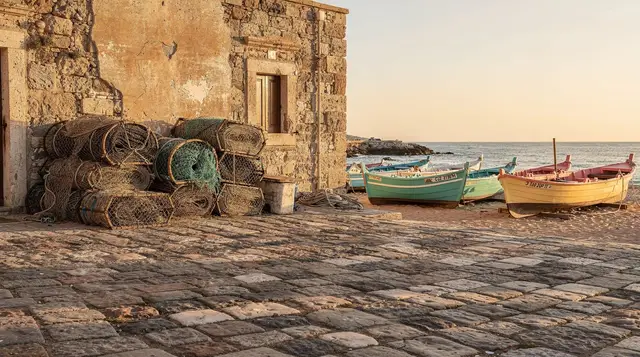
Photo: our own image of the location, not the operator’s product photo.