Sicily in autumn
What is Sicily like in autumn?
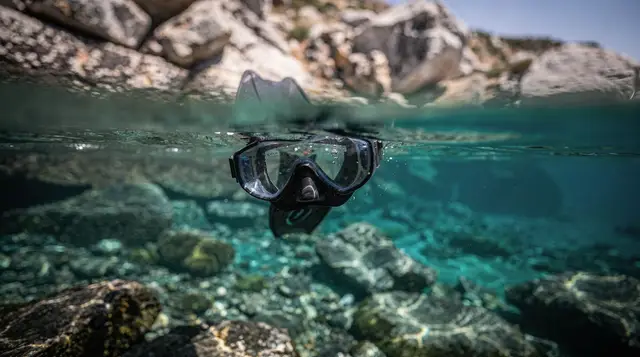
Mild and largely dry through September and into October, with the sea still around 24°C in October — genuinely swimmable well after summer ends. It is also grape harvest season on Mount Etna, and crowds and prices drop noticeably after the August peak.
The season that keeps summer’s warmth without its crowds
Autumn is one of Sicily’s most underrated windows. September in particular delivers summer-level warmth and a sea that is still genuinely swimmable, while crowds and prices drop noticeably once European school holidays end. October extends the mild weather further, though with rising rain risk as the season moves toward winter. This guide covers what changes through the season and where its specific events — the Etna wine harvest, the Cous Cous Fest — fall.
For the wider seasonal picture, see The best time to visit Sicily and Sicily weather month by month for the numbers.
September: arguably the best month of the year
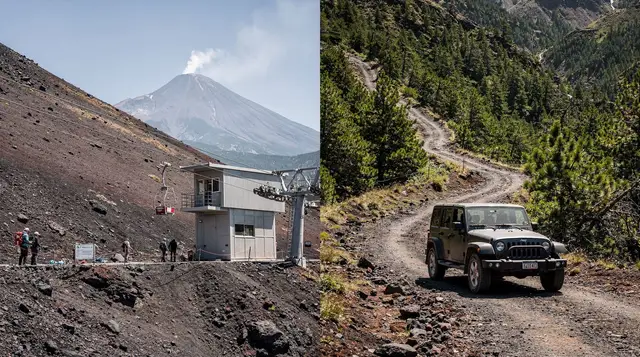
September combines nearly everything travellers want from Sicily: warm, dry days similar to peak summer, a sea that has had all season to warm up, and a visitor volume well below the July-August peak once the first half of the month passes and European school holidays end. It is also grape harvest season on Mount Etna, where the Etna DOC wine region brings in its vineyards across September and October — a genuinely different way to experience the volcano compared with the standard crater-and-cable-car visit. Bronte: Pistachio and Etna Wines Tour and Catania: Etna Craters Hike Wine Tasting Tour both work well timed to this window.
Late September also brings the Cous Cous Fest in San Vito Lo Capo, an annual food festival built around the town’s North African-influenced couscous tradition alongside wider Mediterranean food and live music — worth building a west-coast leg of a trip around if the dates align.
October: still warm, increasingly unpredictable
October holds onto much of September’s character, particularly early in the month: the sea sits around 24°C for long stretches, genuinely comfortable for swimming well after most of Europe has given up on beach season, and daytime temperatures remain pleasant across most of the island. The trade-off is rising rain risk as the month progresses — not a wash-out, but noticeably less reliable than September, and worth building flexibility into an October itinerary rather than assuming consistently dry days. See Sea temperature in Sicily, month by month for the specific monthly figures.
November onward: the shift into winter
By November, Sicily has largely moved into its wetter pattern, with rain becoming more frequent and sustained rather than occasional. Anyone whose autumn trip stretches into November should shift expectations accordingly — see Sicily in winter for what changes once the season fully turns, including island hotel closures and ferry disruption that become progressively more likely as autumn ends.
Autumn on the coast and islands
Coastal towns and the Aeolian and Egadi Islands generally keep more of their summer infrastructure running through September than through October, when some smaller operators begin winding down ahead of the full winter closure. Cefalù: Boat Tour with Snorkeling and Aperitif and similar boat-based excursions are still a solid option through most of autumn, though it is worth confirming operating dates directly with the operator once you move past mid-October. Ferries and hydrofoils remain sea-condition-dependent throughout, as they are year-round; see Ferries and hydrofoils around Sicily.
Archaeology and cities in autumn
Autumn’s combination of mild weather and thinning crowds makes it one of the strongest seasons for heritage-heavy itineraries. Valley of the Temples, Selinunte and the Val di Noto Baroque towns are considerably calmer than in summer, with enough daylight and manageable heat to walk full days without the shade constraints that dominate a July or August visit. See The Val di Noto: eight Baroque towns, one earthquake for a route through that specific region.
The Etna wine harvest in more depth
The Etna DOC region, on the volcano’s northern and eastern slopes, has built a serious international reputation over the past couple of decades, and harvest season is when that work is most visible. Wineries across Bronte and Randazzo and the wider Etna wine belt open their cellars for harvest-season visits, tastings and, in some cases, hands-on grape-picking experiences.
Bronte: Pistachio and Etna Wines Tour combines two of the region’s signature products — pistachio and volcanic-soil wine — in a single half-day format, while Catania: Etna Craters Hike Wine Tasting Tour pairs a guided crater hike with a tasting afterwards, useful if you want both the geology and the gastronomy without splitting them across two separate days. For the fuller picture of the region beyond harvest season specifically, see The Etna wine road: Contrade and cantine and Etna DOC: the wines of the volcano.
Autumn food beyond the vineyards
Autumn brings its own produce calendar alongside the grape harvest: mushrooms and chestnuts from the Nebrodi and Madonie uplands, the tail end of late-summer vegetables, and the first of the season’s new olive oil pressing later in the autumn. Combined with the wine harvest, this makes autumn one of the stronger seasons for food-focused travel generally, alongside spring; see Sicilian seafood: tuna, swordfish and sea urchin and Where to eat in Sicily, city by city for what else is worth seeking out regardless of season.
Pricing through the autumn months
Accommodation and car rental prices ease noticeably once the August peak passes, with September still carrying a premium over the deeper low season but well below summer rates, and October easing further still as the month progresses. This makes autumn, and September in particular, a reasonable middle ground for travellers who want summer-adjacent weather without paying summer prices. See What a week in Sicily actually costs for how this plays out across a typical week-long trip.
Driving and getting around in autumn
Autumn’s milder temperatures make driving considerably more comfortable than in peak summer, without yet facing the shorter daylight hours and wetter roads of deeper winter. It remains a good season for longer road-trip itineraries that cover both coasts; see The full Sicily road-trip loop and Renting a car in Sicily for the practical side, including ZTL restricted zones that apply exactly as they do the rest of the year.
A realistic autumn itinerary
Autumn, and September especially, is one of the few windows flexible enough to support almost any itinerary shape without a major trade-off. A route combining Catania, Mount Etna and Taormina works comfortably in September heat, still allows a swim at Isola Bella or along the coast, and can extend into a wine-focused day on Etna’s slopes without conflicting with the rest of the plan.
See Catania and Etna in 3 days and A Sicilian food and wine week for two itineraries that suit this season particularly well. October itineraries benefit from slightly more built-in flexibility around weather than September ones, given the rising rain risk as the month progresses.
Families and autumn travel
Autumn, particularly September, suits families reasonably well: the sea is still warm enough to swim in, days remain long enough for a full schedule, and the worst of summer’s heat has passed, making long car journeys and walking days considerably more comfortable for children than the equivalent July or August trip.
It also falls outside most of Europe’s peak school holiday period from mid-September, which thins out both crowds and the family-heavy portion of the tourist season specifically. See Sicily with kids and The best family beaches in Sicily for how this plays out in practice, and note that school-term dates mean an autumn family trip is often easiest to arrange around half-term breaks rather than a fully open calendar.
Autumn on the islands specifically
The Aeolian and Egadi islands keep a reasonable share of their summer infrastructure running through September, with facilities gradually winding down through October as the smaller operators move toward their winter closure. A September island trip behaves much like a summer one, just with thinner crowds; an October one requires a bit more checking of specific opening dates before you commit, particularly for anything beyond the larger islands like Lipari and Favignana. See Island hopping around Sicily for how to plan a multi-island route that accounts for this seasonal wind-down.
Driving distances and daylight in autumn
Autumn keeps enough daylight for a full sightseeing day well into October, though noticeably less than the long evenings of June and July, so factor a slightly earlier finish into any day involving significant driving. Roads are generally in the same condition as the rest of the year, and the ZTL restricted zones in historic centres apply exactly as they do year-round regardless of the season — see ZTL zones and parking in Sicilian cities and Driving in Sicily for the practical detail.
Travellers without a car still have solid options in autumn: Sicilian trains run their normal schedule, connecting the main east-coast cities and Agrigento efficiently enough to support a car-free autumn trip focused on those routes; see Day trips you can do by train for specifics.
Autumn versus spring, directly compared
Autumn and spring are Sicily’s two strongest shoulder seasons, and travellers often ask which to prefer if only one fits their schedule. Autumn’s advantage is a warmer sea, particularly in September, and the specific draw of the Etna wine harvest. Spring’s advantage is a slightly longer stretch of reliable dry weather once April arrives, plus specific cultural events — Easter processions, the Noto Infiorata — that autumn does not have an equivalent for. Neither season is a wrong choice; the decision usually comes down to whether swimming or spring’s specific cultural calendar matters more to your particular trip. See Sicily in spring for the full spring picture to compare directly against this page.
Solo and slow travel in autumn
Autumn’s thinning crowds and still-mild weather make it a strong season for slow, solo-friendly travel: fewer queues at major sites, easier last-minute table bookings at popular restaurants, and a generally calmer pace in towns that feel considerably busier in July and August. It sits well with Solo travel in Sicily as a season, offering more breathing room than summer without winter’s closures on the smaller islands working against a flexible, slower-paced route.
What to pack for an autumn trip
Autumn packing sits between summer’s minimal kit and winter’s full waterproof layer. September still warrants light, breathable clothing and swimwear, but a light jacket for cooler evenings is worth bringing along, and by October a proper layer for occasional rain becomes sensible rather than optional. See What to pack for Sicily for the fuller breakdown across all four seasons, since autumn’s own range shifts meaningfully between its early and late weeks.
Autumn and Sicily’s markets and street food
Autumn keeps the street food and market scene running at close to full pace, with none of summer’s heat forcing an early shutdown and none of winter’s reduced hours either. Palermo street food and the city’s markets covered in Ballarò, Capo and Vucciria are comfortable to explore at a normal midday pace through most of autumn, unlike a July visit that often needs to dodge the hottest hours. This makes autumn a strong season for a food-focused city day that does not need to be restructured around the weather the way a summer version of the same day would.
A quick reference for an autumn trip
If your dates are fixed to autumn, the shortest useful summary is this: September is the strongest single month, combining warm weather, a warm sea and the Etna harvest without summer’s crowd surge; October holds most of the same appeal early in the month but carries rising rain risk as it progresses; and November marks a fairly clean shift into winter’s wetter pattern, with island closures beginning in earnest. Whichever week you land in, check specific island and ferry schedules if that side of the trip matters to you, since autumn’s wind-down toward winter happens gradually rather than on a single fixed date.
Autumn for cyclists and outdoor travellers
Autumn’s cooling temperatures make it a strong second window for cycling and outdoor activity, alongside spring, once the deep summer heat has passed. See Cycling in Sicily and Hiking in Sicily for routes that suit this cooler, still largely dry stretch of the year particularly well, especially through September and the first half of October.
Who autumn suits, and who it does not
Autumn suits almost every kind of traveller reasonably well, which is part of why it competes with spring for the “best overall season” title: beach time still works in September and early October, sightseeing is comfortable throughout, and wine and food-focused trips benefit specifically from the Etna harvest window. It suits budget-conscious travellers too, since prices ease from the August peak well before winter’s own low-season pricing kicks in fully.
The main group it does not suit is anyone requiring guaranteed dry weather for an entire trip — for that, September alone is the safer bet within the season, with October carrying meaningfully more rain risk. See One week or two weeks in Sicily for how to structure a trip across this window.
Photography in autumn light
Autumn light softens noticeably compared with summer’s harsh midday glare, and the golden hues of the season pair well with the Etna vineyards during harvest and the honey-coloured stone of the Val di Noto’s Baroque towns. It is a favoured season among photographers for exactly this reason, alongside spring, and worth factoring in if capturing the island’s architecture and landscape is part of why you are travelling.
Frequently asked questions about Sicily in autumn
Is September a good month to visit Sicily?
Yes, one of the best. September combines summer-level warmth and a warm sea with crowds and prices well below the July-August peak, and it coincides with the Etna wine harvest.
How warm is the sea in October?
Still around 24°C for much of the month, making October one of the better late-season windows for swimming, alongside noticeably thinner crowds than summer.
When does the Etna wine harvest happen?
Roughly September through October, when the Etna DOC region’s vineyards on the volcano’s slopes bring in their grapes. Several wineries offer harvest-season visits and tastings during this window.
Does it rain a lot in Sicilian autumn?
Rain risk rises through the season, staying low in September, increasing through October, and becoming more likely from November onward as Sicily moves into its wetter winter pattern.
What is the Cous Cous Fest?
An annual food festival in San Vito Lo Capo, typically held in late September, centred on the town’s North African-influenced couscous tradition alongside other Mediterranean cuisines and live music.
Is autumn less crowded than summer in Sicily?
Yes, clearly, particularly from mid-September onward once European school holidays end. Archaeological sites, cities and even the islands are noticeably calmer than during the July-August peak.
The bottom line
September is the strongest single month of autumn and arguably one of the two or three best months of the year to visit Sicily overall — warm, still swimmable, and free of the August crowd surge. October remains a solid choice, especially early in the month, but build in more schedule flexibility than September would require, since rain becomes progressively more likely as the month goes on. If wine and harvest experiences interest you specifically, aim for late September into October, when the Etna DOC region is at its most active.
Seasonal experiences on GetYourGuide
Verified deep-linked GetYourGuide tours. Book through these links and we earn a small commission at no cost to you.
Photo: our own image of the location, not the operator’s product photo.