Sicily in spring
What is Sicily like in spring?
Reliably warm and dry from April onward, with almond blossom around Agrigento as early as February, Easter processions in March or April, and the Noto Infiorata in May. The one drawback is the sea, which stays around 14-15°C through February-March and only warms up properly closer to June.
Warm land, cold sea, and a calendar full of events
Spring is Sicily’s most event-dense season and, from April onward, one of its most weather-reliable. It is also the season where the gap between “the weather looks great” and “the sea is swimmable” is widest — a sunny 22°C day in April can still sit above a sea barely past 15°C. This guide covers what actually changes month to month through spring, and where the season’s specific events — almond blossom, Easter, the Noto Infiorata — fall on the calendar.
For the broader seasonal comparison, see The best time to visit Sicily and Sicily weather month by month.
February: almond blossom, ahead of the calendar
Spring effectively starts early in one specific place: the almond groves around Agrigento, where trees blossom as early as February, well before the rest of Sicily shows any spring character. It is a short, weather-dependent window and one that rewards checking current bloom conditions close to your dates rather than booking rigidly around a fixed date. Pairing an Agrigento blossom visit with the Valley of the Temples makes sense logistically, since the archaeological park itself is close by and near-empty this early in the year.
March: transitional, still unsettled
March sits between winter and proper spring: days are often mild and sometimes genuinely warm, but rain and cooler spells are still common, and the sea remains cold, generally around 14-15°C. Archaeological sites and cities are quiet, making March a reasonable month for travellers prioritising low crowds over guaranteed sunshine, but pack for a wider range of conditions than April or May would require. See What to pack for Sicily for specifics.
Easter and Holy Week: a specific, locally intense event
Easter timing shifts every year with the Christian calendar, landing anywhere from late March to late April, and it brings some of Sicily’s most distinctive cultural events: the Misteri processions in Trapani, running roughly 24 hours and carrying sculpted groups depicting the Passion, alongside hooded confraternity processions in Enna and the Vare processions in Caltanissetta. These draw significant local attendance — Sicilians travel to see them as much as visitors do — meaning accommodation in those three towns specifically should be booked well ahead if your trip coincides with Holy Week. Full detail, without pinning down a fixed date that shifts yearly, is in Easter and Holy Week in Sicily.
April: the season turns reliable
April is generally where spring weather becomes dependable: dry, warm days in the low-to-mid twenties Celsius, without the crowd or heat pressure of summer. It is a strong month for archaeological and heritage-heavy itineraries — Segesta, Selinunte, the Cappella Palatina — since sites are walkable at any hour without the shade concerns that build through summer. Cappella Palatina e Palazzo Reale Patrimonio UNESCO and Best of Palermo Private Walking Tour with a Local both suit this month well, with comfortable walking conditions and thinner crowds than peak season.
May: the Infiorata and the last calm before summer
May brings the Infiorata di Noto, an annual flower-petal display along the Corso in Noto, where elaborate designs are laid out entirely from flower petals — worth timing a Val di Noto trip around, since it draws crowds but on a far smaller scale than the summer peak. May weather is close to June’s without June’s building crowd levels, and it is arguably the last genuinely calm month before the tourist season ramps up through the summer.
The sea: still the season’s weak point
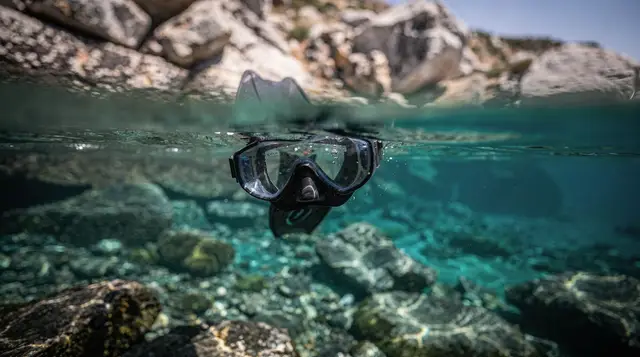
Despite reliably warm days from April, the sea itself lags well behind air temperature through most of spring, sitting around 14-15°C in February-March and only climbing meaningfully as the season progresses. Visitors expecting to swim on a warm April or May day are often surprised by how cold the water still is; realistic swimming generally starts around June. See Sea temperature in Sicily, month by month for the specifics, and plan a spring trip around walking, hiking, sightseeing and food rather than beach time if your dates fall before June.
Hiking and the outdoors in spring
Spring’s combination of warm days and a still-manageable sun makes it one of the better seasons for outdoor activity that becomes uncomfortable in summer heat: the Alcantara Gorges, hikes in the Madonie and Nebrodi parks, and coastal walks like the Zingaro nature reserve or La Rocca above Cefalù. Cefalù: la Rocca Archaeological Park Hiking Private Tour is a good example of a hike that becomes considerably less pleasant once summer heat sets in, making spring one of its better windows. See Hiking in Sicily for a wider route list.
Regional variation through spring
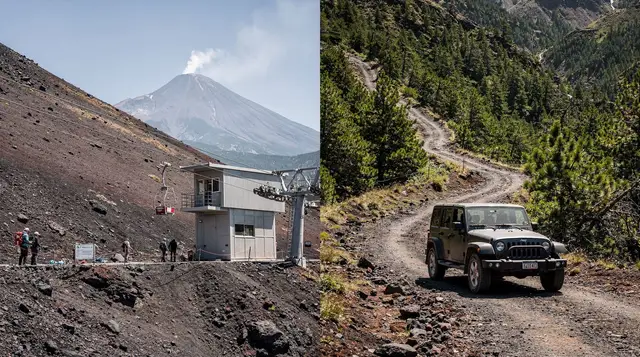
Inland areas warm up faster during the day than the coast in spring but also cool more sharply at night, so pack layers if your itinerary includes the Madonie or inland towns like Enna. Coastal cities such as Palermo and Catania stay milder and more even through spring, and Mount Etna continues to run its own separate climate at altitude regardless of season — see Mount Etna: the complete visitor guide for what conditions to expect if a crater visit is part of your spring itinerary.
Who spring suits, and who it does not
Spring suits travellers prioritising sightseeing, hiking, food and cultural events over beach time, and who want warm, reliable weather without summer’s crowds or heat. It is a weaker fit for anyone whose trip depends on swimming or the smaller islands’ full beach-club season, since both are still ramping up through most of spring. For that kind of trip, see Sicily in summer instead, or split the difference with Sicily in autumn, which offers similarly mild land conditions alongside a considerably warmer sea.
Food in spring: what’s actually in season
Spring brings its own produce calendar to Sicilian tables — fresh artichokes and fava beans are typical of the season, alongside the first of the year’s new-season citrus tailing off from winter. Restaurants and markets reflect this shift, and it is a reasonable season to build a food-focused stop into a wider itinerary; see Where to eat in Sicily, city by city and Cooking classes in Sicily for how to build that in without needing to plan around a single festival date.
Photography, light and quieter crowds
Spring’s combination of clear skies and a sun that has not yet reached summer’s harshness makes it a strong season for photography at exposed sites that turn into a glare by midday in July and August. Scala dei Turchi and the white limestone terraces of the Val di Noto both benefit from the softer spring light, and thinner crowds outside the specific Easter and Infiorata dates make it easier to see these places without a queue or a crowd of other visitors in every frame.
Building a spring itinerary around events
Because spring is Sicily’s most event-dense season, it rewards a small amount of date-checking before you commit to a route. If Easter falls within your travel window and you want to see the Holy Week processions, build your route around Trapani, Enna or Caltanissetta for those specific days rather than treating it as an optional detour.
If your dates land in May, routing through Noto for the Infiorata is a similarly easy addition given the town already sits on most Val di Noto itineraries. Outside these specific dates, spring behaves as a flexible, low-pressure season that suits a wide range of itinerary shapes — see Sicily in 7 days and Baroque towns and Greek temples in 5 days for two examples that work particularly well in this window.
Packing for spring’s swings
Spring’s biggest packing challenge is its range: a warm, sunny 22°C afternoon can follow a genuinely cool, damp morning, especially in March and early April. Layers work better than a single seasonal wardrobe, and a light rain jacket is worth carrying even on days that start clear. If your itinerary includes Mount Etna at any point in spring, remember the mountain keeps its own climate regardless of how warm the coast feels — see Mount Etna: the complete visitor guide for what to expect at altitude. See What to pack for Sicily for the full seasonal list.
A realistic spring itinerary
Spring suits itineraries that mix walking-heavy heritage sites with a moderate pace, since the weather rarely forces a midday break the way summer does. A route through Palermo, Segesta and the west, or through Agrigento and the Val di Noto, both work comfortably across a full day in April or May without needing to build in the extended rest periods a summer version of the same trip would require.
See Sicily in 5 days and Baroque towns and Greek temples in 5 days for two concrete examples suited to this season, and How many days do you need in Sicily for how much ground a spring itinerary can realistically cover compared with other seasons.
Spring and the shoulder-season crowd curve
Crowd levels rise gradually through spring rather than jumping at a fixed point. February and March are close to the winter low, April sees a noticeable uptick as school Easter holidays and warmer weather draw more visitors, and May sits in an odd middle ground — busier than April at the major sites, but still well below the June-to-August surge that follows. Understanding this curve helps with timing specific sites: the Valley of the Temples or Cappella Palatina in early April are meaningfully quieter than the same sites in late May, even though the weather difference between the two is comparatively small.
Spring for hikers and outdoor travellers specifically
Spring is arguably the single best season for hiking-led itineraries in Sicily, since it avoids both summer’s heat and winter’s shorter days and wetter trail conditions. Routes through the Madonie and Nebrodi parks, the Alcantara Gorges and Cava Grande del Cassibile all benefit from spring’s moderate temperatures and generally reliable dry stretches from April onward.
See Hiking in Sicily for a fuller route list, and note that trail conditions after a wet March can still be muddy into early April in some of the wetter upland areas, worth checking locally before a specific hike if your trip lands early in the season.
Spring versus autumn for a first-time visitor
For a first Sicily trip, spring and autumn both offer a strong balance of weather, crowds and cost, and neither is a clearly wrong choice. Spring’s advantage for a first-timer is its density of cultural events and its slightly better fit with a wide-ranging heritage-and-hiking itinerary, since the season’s dry stretches arrive earlier relative to the sea warming up.
If swimming or island time matters at all to a first trip, autumn’s warmer sea gives it a practical edge over spring for that specific element, even though spring otherwise holds its own. See The best time to visit Sicily for how these two shoulder seasons compare directly against summer and winter as well, rather than just against each other.
Spring for wine and food travellers
Spring is not harvest season, but it is when many Etna and western Sicily wineries reopen fuller visitor schedules after a quieter winter, making it a reasonable window for a wine-focused stop even outside the autumn harvest window covered in Sicily in autumn. Pair a spring wine visit with the wider Etna wine road or Marsala wine guide for a route that does not depend on any single event date, unlike the harvest-specific visits that cluster in autumn.
Spring and Sicily’s markets
Spring markets in Palermo and Catania run at a comfortable, unhurried pace compared with summer’s tourist-heavy version of the same stalls, making this a good season to build a proper market visit into a morning rather than a rushed ten-minute detour. Combined with the season’s produce — fresh artichokes and fava beans, the tail end of citrus season — spring markets give a genuine sense of what Sicilians themselves are cooking at that point in the year, distinct from the more tourist-oriented street food scene that dominates in peak summer months.
A quick reference for a spring trip
If you are locking in spring dates, the shortest useful summary is this: April and May are the most reliable weeks for warm, dry weather without summer’s crowds, February rewards a specific detour for Agrigento’s almond blossom, March is a quieter but less predictable month weather-wise, and the sea stays too cold for comfortable swimming for most of the season regardless of how warm the air feels. Check Easter’s shifting date against your travel window early if the Holy Week processions in Trapani, Enna or Caltanissetta interest you, since accommodation in those towns fills specifically around that week rather than spring as a whole.
Spring for cyclists
Spring’s moderate temperatures and generally dry roads from April onward make it one of the better seasons for cycling-based itineraries too, avoiding both summer’s heat and winter’s wetter roads. See Cycling in Sicily for route options that work particularly well timed to this window, before the interior heats up significantly through June and July.
Frequently asked questions about Sicily in spring
When does almond blossom happen in Sicily?
Around Agrigento, almond trees typically flower in February, ahead of the calendar spring, drawing visitors specifically for that short window even though the wider almond blossom festival timing can shift with the weather.
Is spring a good time to visit for weather?
Yes, particularly from April onward, when days turn reliably dry and warm without reaching summer’s extremes. March can still be unsettled, with a wider mix of rain and sun than April or May.
Can you swim in the sea in spring?
Not comfortably before June for most people. Sea temperatures sit around 14-15°C in February-March and climb gradually through spring, so April and May visitors get good weather on land but a genuinely cold sea.
What is the Infiorata di Noto?
An annual flower-petal street display in Noto, typically held in May, where the Corso is decorated with elaborate designs made entirely from flower petals. It draws crowds but on a far smaller scale than the summer peak.
Is Easter a busy time to visit Sicily?
Locally, yes, especially in Trapani, Enna and Caltanissetta, where major Holy Week processions draw heavy attendance from Sicilians travelling to see them. Book accommodation in those specific towns well ahead if your trip coincides with Holy Week.
Is spring less crowded than summer?
Yes, noticeably, outside the specific Easter week in the towns hosting major processions. Archaeological sites and cities are calmer than the July-August peak, making spring one of the better windows for sightseeing-heavy itineraries.
The bottom line
April and May are the strongest spring months for most itineraries — reliably warm, dry, and thin on crowds outside specific event dates. March works if low crowds matter more to you than guaranteed sunshine, and February rewards travellers chasing the Agrigento almond blossom specifically. Whatever month you pick, plan spring around sightseeing, hiking and events rather than beach time, since the sea stays stubbornly cold until the season is almost over.
Seasonal experiences on GetYourGuide
Verified deep-linked GetYourGuide tours. Book through these links and we earn a small commission at no cost to you.
Photo: our own image of the location, not the operator’s product photo.